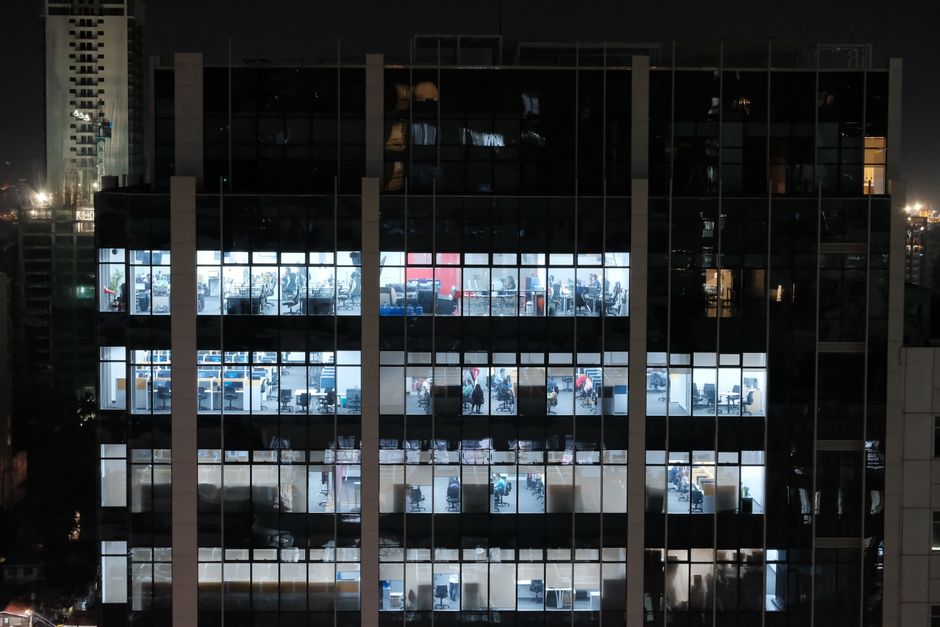
Canberra's commercial property market is experiencing a subtle but significant shift as international wealth accumulation flows through to local real estate demand, according to commercial agents and business leaders tracking the sector.
Recent global data showing Australia ranked third-highest for median wealth has coincided with increased interest from foreign investors and multinational firms seeking premium office space in Canberra's established business precincts. The Barton and Kingston corridors, long anchors of the capital's corporate landscape, are seeing particular attention from international capital allocators who view Australian assets as stable long-term holdings.
"What we're witnessing is a bifurcation in the market," explains a senior leasing agent familiar with the Limestone Avenue and Allara Street precincts. Grade-A office space targeting multinational tenants commands premium rates, while secondary markets face continued pressure.
The implications for local businesses are complex. While increased foreign capital competition has elevated asking prices for prime real estate—particularly in the Parliamentary Triangle zone—it has also triggered infrastructure investment and improved amenities that benefit the broader business community. Canberra's tech and professional services sectors, concentrated around Fyshwick and Narrabundah, are benefiting from spillover demand as international firms establish regional hubs.
However, rising valuations present challenges for established Canberra firms expanding operations. Medium-sized businesses seeking growth space report tighter margins when negotiating leases in traditionally accessible areas like Woden and Belconnen, where availability has tightened over the past eighteen months.
Data from the Real Estate Institute of the ACT indicates premium office space in central Canberra now commands rents comparable to Brisbane's CBD, a significant shift from historical pricing patterns. While still below Sydney and Melbourne rates, the trajectory reflects globalised capital flows seeking exposure to Australia's stable institutional sector.
The timing adds complexity for Canberra's business community. With professional services firms under pressure from recent consumer protection enforcement actions—evidenced by recent regulatory proceedings—some companies are reassessing expansion timelines. Yet others view Canberra's institutional permanence as an advantage precisely because of global economic uncertainty.
For local business owners, the lesson is clear: Canberra's commercial property market is no longer insulated from international trends. Strategic decisions about office location and expansion timing must now account for global wealth dynamics, not merely local supply-demand factors. The next twelve months will determine whether increased foreign interest accelerates Canberra's evolution as a genuine global business centre, or merely inflates costs for local operators.
This article was compiled by AI and screened before publishing. See our editorial standards.