Business
Canberra's Tourism Surge Drives Up Housing and Dining Costs
As visitor numbers surge, locals are discovering how the booming travel economy reshapes accommodation costs, dining prices, and everyday business in our capital.
2 min read
Business
As visitor numbers surge, locals are discovering how the booming travel economy reshapes accommodation costs, dining prices, and everyday business in our capital.
2 min read
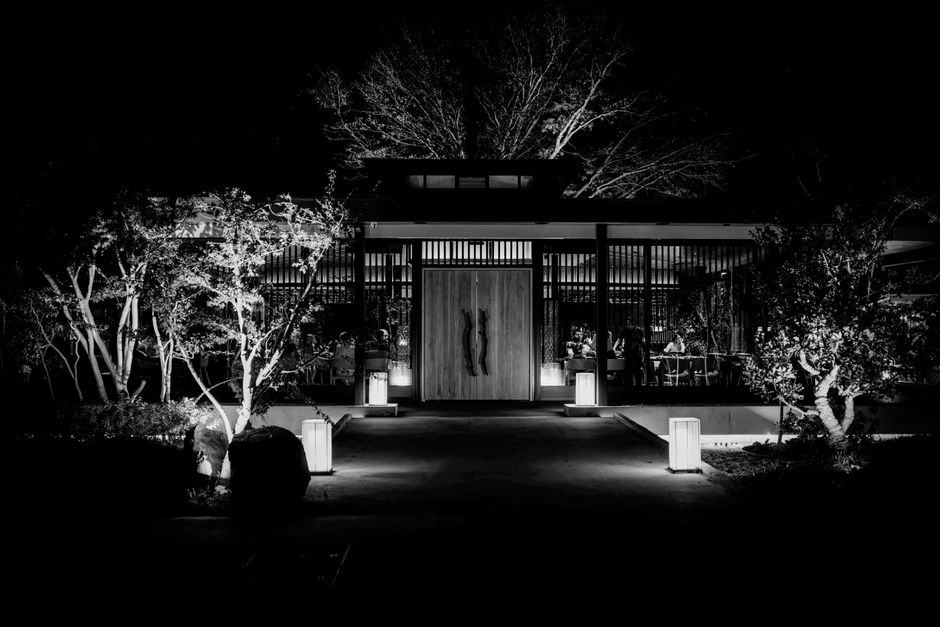
Canberra's visitor economy is humming. Last financial year, overnight visitor numbers exceeded 2.3 million—a figure many residents don't realise reflects a sector now worth roughly $2.8 billion annually to the ACT economy. But what does this mean for everyday Canberrans navigating their own city?
The most visible impact hits the hip pocket at hospitality venues. Accommodation prices in central Canberra—particularly around Civic, Kingston, and the newer Barton precinct—have climbed 12-15% over three years. A mid-range hotel room that cost $120 in 2023 now regularly commands $150-180. Short-term rental platforms have turbocharged this shift, with landlords increasingly opting for tourist lettings over long-term residents. For locals seeking weekend getaways in their own backyard, booking early and flexing your dates is now essential.
Dining and entertainment precincts tell a similar story. Venues along Lonsdale Street, in the Braddon precinct, and clustered around Commonwealth Park have expanded menus and service hours specifically targeting visitors. While this creates genuine vibrancy—bustling weekend crowds, year-round programming at venues like the National Museum of Australia and the new dining strips—it's also reshaped accessibility. Popular restaurants now operate with tighter reservation windows and less walk-in tolerance during peak seasons.
Parking pressures deserve mention. Tourist accommodation growth, combined with increased foot traffic around Lake Burley Griffin and the Parliamentary Triangle, has strained parking availability and occasionally inflated rates at city car parks. Residents accustomed to casual parking on Northbourne Avenue or near Canberra Centre increasingly face congestion during school holidays and major events like the Floriade season.
But there are genuine upsides. Local businesses—from cafés to retailers—benefit from sustained customer traffic. Employment in hospitality and tourism has expanded, with hospitality venues advertising wages and conditions now more competitive. Public infrastructure, from bus routes to wayfinding signage, has improved partly because of visitor needs aligning with resident experience.
The key for residents is recognising tourism as woven into Canberra's economic fabric. Understanding peak visitor seasons—particularly December-January, April (autumn), and September-October—helps you plan around congestion. Supporting local businesses year-round, rather than during tourist peaks, strengthens the communities that make Canberra worth visiting in the first place.
The visitor economy isn't separate from your Canberra experience. It's becoming part of it. Being informed means navigating it smarter.
This article was compiled by AI and screened before publishing. See our editorial standards.
Business

Business
Business
Business
About this article
Published by The Daily Canberra
Spread the word
Daily brief
Free, in your inbox before 7am. Weekdays.
The Daily Network — local news across Australia