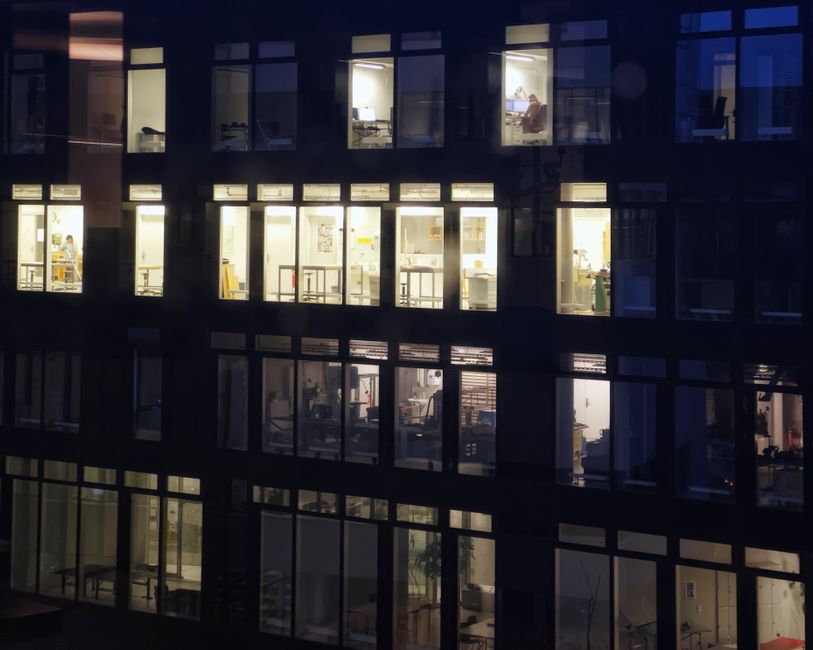
Canberra's commercial property market is at a crossroads, with conflicting economic signals creating both opportunity and uncertainty for investors navigating the capital's evolving office landscape.
The recent UBS global wealth report, which ranked Australia third-highest for median wealth globally, might suggest robust investment appetite. Yet vacancy rates across Canberra's prime office districts—particularly around Civic's London Circuit and Akuna Street corridors—tell a more nuanced story. While headline economic indicators point upward, structural headwinds are reshaping where capital actually flows.
"The disconnect between macroeconomic confidence and on-ground leasing activity reflects a fundamental recalibration," explains the commercial real estate analysis. Organisations headquartered or operating in Canberra—from government-linked entities to professional services firms—are reassessing space requirements. The hybrid work model that accelerated during the pandemic has proved stickier than many expected, creating an oversupply of traditional Grade-A office stock even as demand for flexible, collaborative workspaces remains strong.
Recent transaction data suggests institutional investors are rotating capital toward mixed-use precincts. The Barton and Kingston office-retail-residential clusters have attracted attention, partly because they offer diversified income streams. By contrast, single-use office towers in Belconnen are experiencing longer vacancy windows, with some landlords reconsidering their hold strategies.
The property market's economic sensitivity became clearer during recent corporate compliance actions—including the ACCC's enforcement activity against misleading business practices. Regulatory tightening doesn't directly impact commercial property, but it signals stricter scrutiny of business behaviour generally, which can dampen investment confidence and reduce leasing velocity as companies tighten expenditure controls.
Critically, investment flows are increasingly driven by yield-focused calculations rather than growth assumptions. With institutional money more discerning, landlords in Canberra must compete on fundamentals: location quality, building systems, tenant service, and proximity to transport hubs like the new light rail network extending toward Gungahlin.
The capital's resilience—anchored by public sector stability and diplomatic missions concentrated around Parliament House and the embassy precinct—provides a structural floor that differentiates Canberra from more volatile markets. However, the office market's trajectory depends heavily on how quickly business growth offsets the structural shift toward more efficient space utilisation.
For investors evaluating Canberra property now, the message is clear: economic indicators remain positive, but investment returns will increasingly reward those who understand the divergence between overall economic health and the specific dynamics reshaping demand for commercial floor space.
This article was compiled by AI and screened before publishing. See our editorial standards.