Business
Tourism Surge Drives Infrastructure Changes, Price Hikes Across Canberra
Record visitor numbers are driving infrastructure changes and price pressures across Canberra's hospitality and retail sectors.
2 min read
Business
Record visitor numbers are driving infrastructure changes and price pressures across Canberra's hospitality and retail sectors.
2 min read
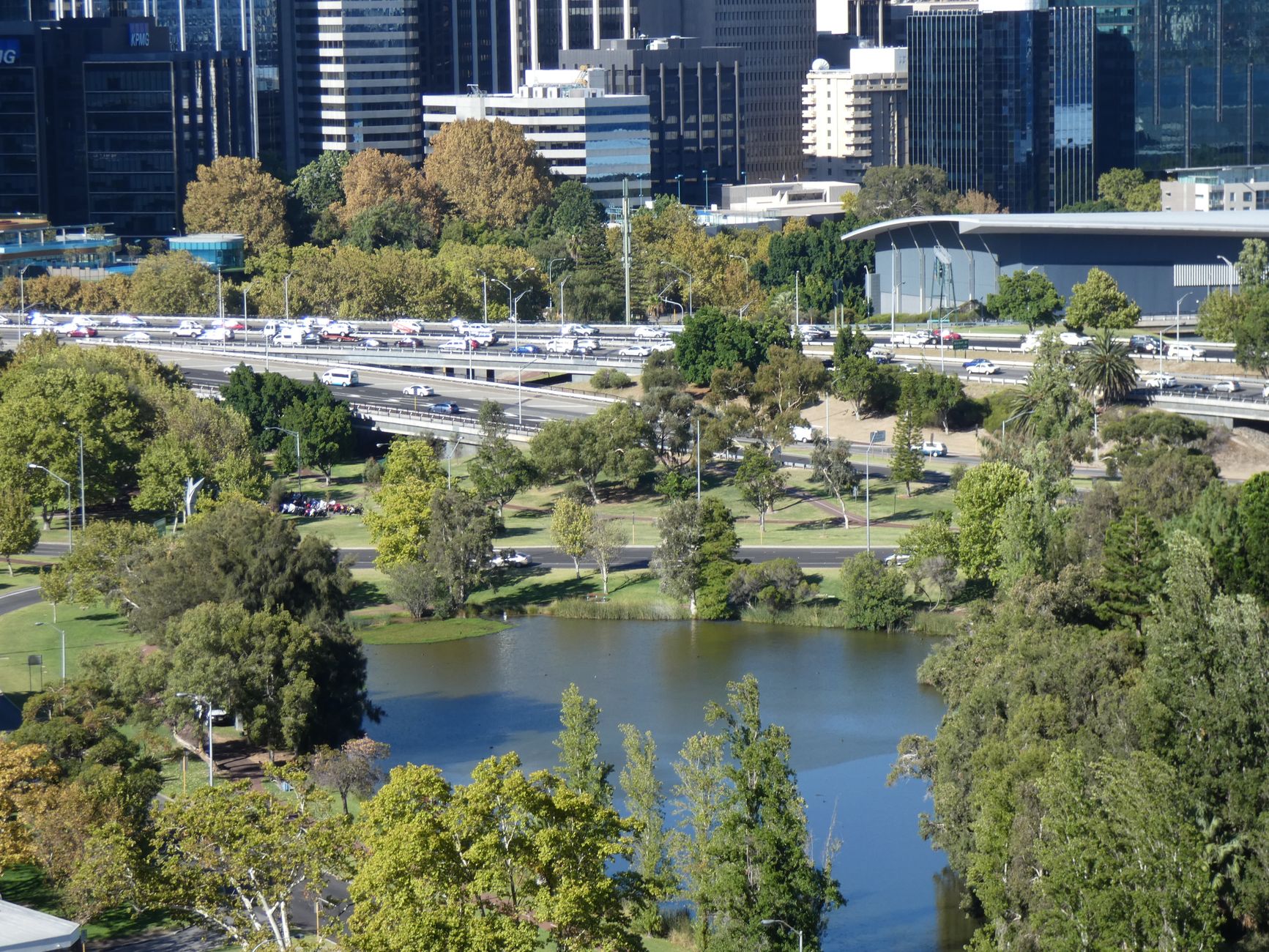
Canberra's visitor economy is accelerating faster than many residents realise, with implications for everything from restaurant availability to parking around major attractions. Understanding these shifts helps explain the changes unfolding across our city's retail precincts, accommodation landscape, and public spaces.
Tourism Australia data shows Canberra attracted over 2.3 million visitors in 2025—up significantly from pre-pandemic levels. This surge is reshaping the City Centre, Kingston, and precinct around Parliament House. Local restaurants and cafés along Bunda Street and in the Kingston foreshore are increasingly targeting tour groups, which has noticeably affected peak-hour capacity for everyday diners. Prices at popular venues have risen roughly 8-12 percent over two years, partly reflecting the shift toward hospitality catering to international and interstate tourists willing to pay premium rates.
Accommodation providers are expanding aggressively. New hotel developments in Acton and Barton, combined with increased Airbnb availability, have tightened short-term rental stock in residential areas—a factor local residents should monitor regarding neighbour amenity and long-term rental availability. The Australian Hotels Association notes Canberra now hosts approximately 18,500 hotel rooms, with occupancy rates exceeding 75 percent during winter months.
Parking pressures intensify during tourist season, particularly around Lake Burley Griffin, the National Museum of Australia, and the Australian War Memorial. Residents planning visits to these areas during school holidays or weekends should expect congestion. The ACT Government has responded by expanding paid parking in the City Centre, with rates now ranging from $3-$5 per hour during peak periods.
Public transport has benefited from tourism demand. ACTION buses serving tourist precincts operate extended hours, and visitor numbers help justify infrastructure investment that benefits all Canberrans. However, overcrowding during peak periods remains an occasional inconvenience for regular commuters.
For residents, this tourism expansion presents both challenges and opportunities. Local employment in hospitality has grown steadily, with hospitality venues across Canberra advertising for additional staff. Conversely, everyday services—from casual dining to retail shopping—occasionally feel more congested than they did five years ago.
Understanding these dynamics helps residents navigate changes to their city. The visitor economy isn't disappearing; it's becoming structural. Planning leisure outings outside peak tourist season, booking restaurant tables in advance, and exploring less-trafficked neighbourhoods like Braddon and Turner offer practical strategies for maintaining quality-of-life during Canberra's continued tourism growth.
This article was compiled by AI and screened before publishing. See our editorial standards.
Business

Business
Business
Business
About this article
Published by The Daily Canberra
Spread the word
Daily brief
Free, in your inbox before 7am. Weekdays.
The Daily Network — local news across Australia