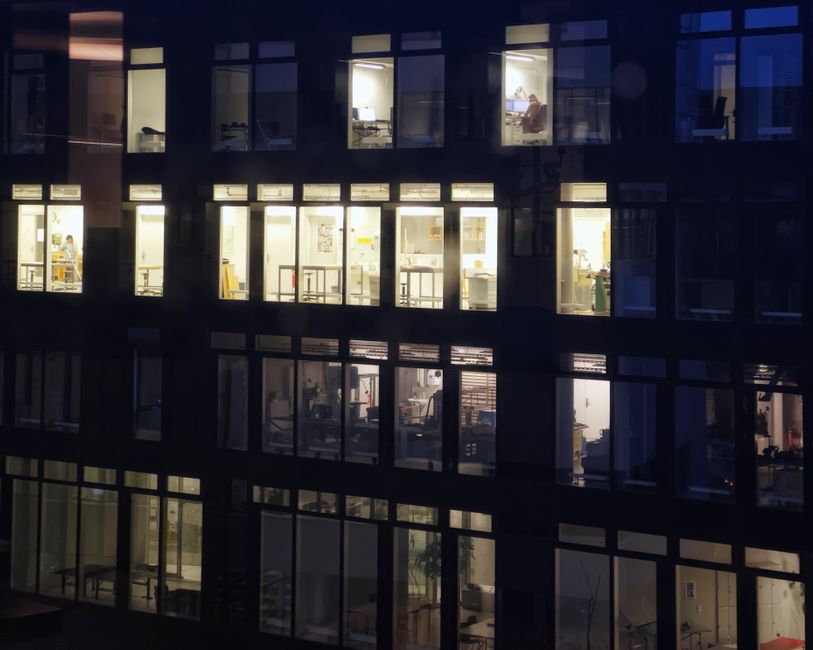
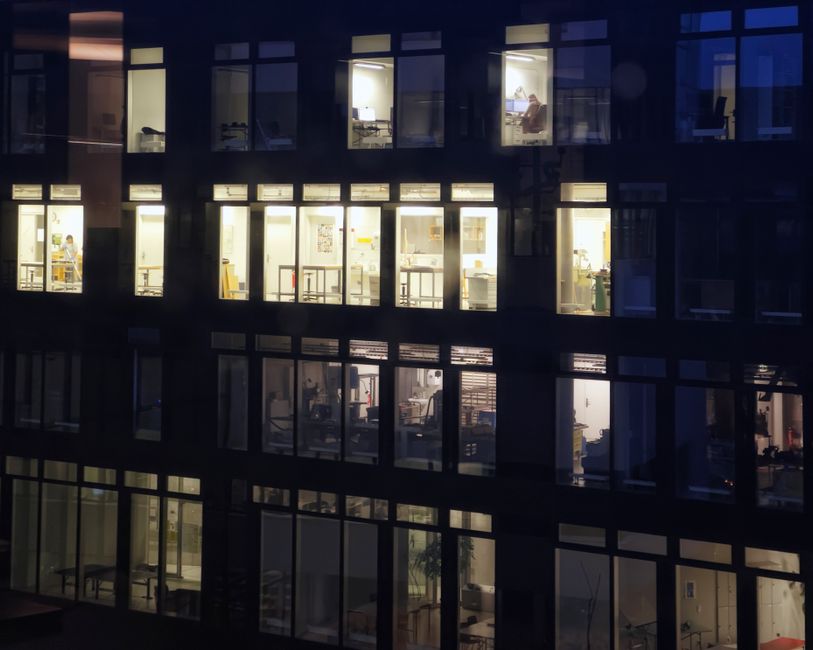
While Australia's median wealth continues to climb and consumer confidence remains fragile, Canberra's commercial property sector faces its own reckoning. The shift away from traditional office-centric work has left swathes of real estate vulnerable—yet one local entrepreneur is turning challenge into opportunity.
Rachel Chen, principal of Chen Property Group, has spent the past three years quietly accumulating aging office portfolios across Braddon and Dickson, two suburbs where vacancy rates have hovered around 12-15% since 2024. Rather than chase short-term yields through corporate tenants clinging to legacy arrangements, Chen has championed a different vision: adaptive reuse that blends workspace, hospitality, and community function.
Her flagship project, the Braddon Quarter development along Lonsdale Street, exemplifies this approach. Where standard office towers once promised nine-to-five occupancy, Chen has created a vertical village of sorts—featuring flexible coworking suites, a ground-floor café and restaurant strip, and dedicated studios for creative industries. The project, which delivered its first stage in late 2025, achieved 87% pre-leasing before opening, a striking result in a market where older CBD office stock struggles to maintain 65% occupancy.
"Canberra's business community isn't asking for more glass boxes," Chen observed in recent industry conversations. "They want integrated spaces where collaboration happens naturally, where a founder can pitch to investors over lunch, where client meetings don't require crossing the Molonglo."
The numbers validate her thesis. Commercial property values across Braddon have appreciated 18% in two years—outpacing Canberra's broader office market, which has seen prices drift sideways. Similarly, her Dickson holdings have attracted interest from education and professional services firms seeking alternatives to increasingly expensive city-fringe locations.
This pivot matters beyond Chen's balance sheet. Canberra's commercial property market, valued at roughly $28 billion according to recent CoreLogic data, remains heavily weighted toward traditional office space—a structural vulnerability as hybrid work becomes permanent. With federal government employment stabilizing and private sector growth concentrated in tech and professional services, the capital needs landlords willing to reimagine rather than defend yesterday's asset classes.
Chen's success hasn't gone unnoticed. Three major institutional investors have approached her group about co-development arrangements, signalling that Canberra's property sophisticates increasingly recognize adaptive reuse as a hedge against obsolescence.
As interest rates stabilize and commercial investment appetite returns, the question isn't whether Canberra's office market will transform—it's whether developers will lead that change or lag it.
This article was compiled by AI and screened before publishing. See our editorial standards.