Business
Canberra's Office Renaissance: The Landlords and Developers Already Cashing In
As hybrid work reshapes demand, savvy investors are capturing value in Canberra's commercial property sector while others scramble to adapt.
2 min read
Business
As hybrid work reshapes demand, savvy investors are capturing value in Canberra's commercial property sector while others scramble to adapt.
2 min read
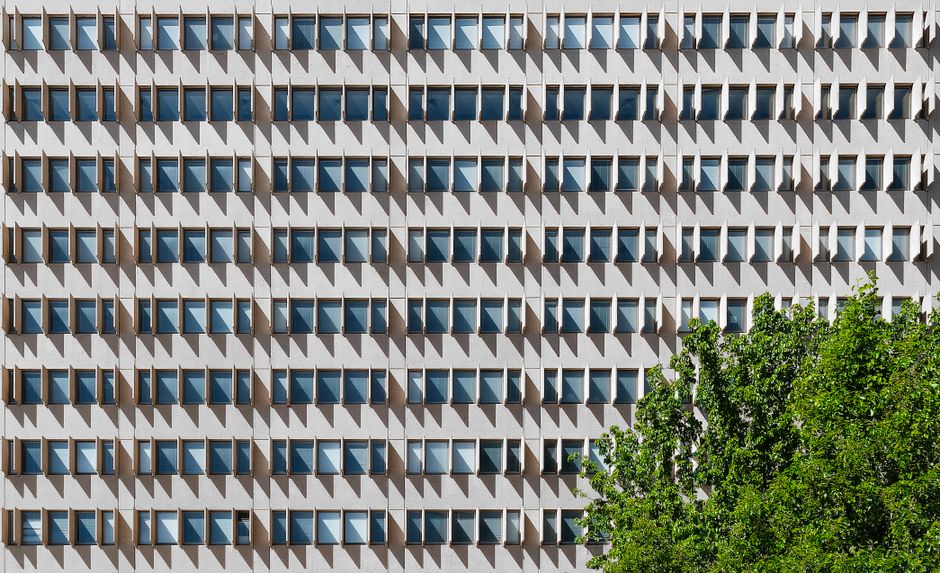
Canberra's commercial property market is undergoing a quiet but significant transformation, and those positioned early are reaping the rewards. After years of oversupply and stagnant demand, the nation's capital is experiencing a genuine recalibration that's creating distinct winners and losers across the office landscape.
The shift is most visible in the City Centre and Braddon precinct, where premium office space commanding rents above $400 per square metre has become increasingly scarce. Unlike the glut of B-grade offices that still occupy swathes of Parkes and Barton, landlords controlling newer, flexible workspaces in higher-amenity areas are reporting strong leasing momentum. Property managers overseeing buildings along Northbourne Avenue and around the Canberra Centre have noted sustained inquiries from professional services firms seeking modern, collaborative environments rather than traditional cellular offices.
Data from local commercial real estate agents suggests the median office vacancy rate across greater Canberra has tightened to approximately 8.5 per cent—down from the pandemic-era peak of over 14 per cent. More importantly, that compression is unevenly distributed. While older stock languishes, newly refurbished spaces in Belconnen's Lake Ginninderra precinct and the emerging Tech Hub cluster in Fyshwick are attracting tenants willing to pay premium rates.
The real winners, however, are those who anticipated this. Organisations that invested in adaptive reuse—converting tired commercial stock into mixed-use precincts with ground-floor activation—have transformed liability into asset. Several property groups have successfully repositioned underperforming office buildings into hybrid spaces combining offices, co-working, hospitality and retail, particularly around Dickson and Kingston.
Government agencies remain Canberra's largest office tenant, but the private sector's gradual diversification away from public sector dependency is reshaping expectations. Technology firms, consulting practices and financial services providers increasingly favour flexible lease terms and modern fitouts. This has created opportunity for mid-market developers and established players alike, though the spoils are flowing disproportionately to those offering amenity-rich environments that support hybrid work patterns.
The challenge for traditional landlords holding legacy stock in secondary locations is acute. Without significant capital investment or repositioning strategy, properties in areas like Tuggeranong and outer Canberra face prolonged vacancy. Meanwhile, those controlling prime real estate or investing in adaptive redevelopment are enjoying a genuinely tight market—a rare commodity in Canberra's historically oversupplied office sector.
This article was compiled by AI and screened before publishing. See our editorial standards.
Business

Business
Business

Business
About this article
Published by The Daily Canberra
Spread the word
Daily brief
Free, in your inbox before 7am. Weekdays.
The Daily Network — local news across Australia