Business
Canberra's Office Market Shifts: What Businesses Need to Know Right Now
Post-pandemic workspace trends are reshaping demand across the ACT capital, with landlords and tenants navigating a transformed landscape.
3 min read
Business
Post-pandemic workspace trends are reshaping demand across the ACT capital, with landlords and tenants navigating a transformed landscape.
3 min read
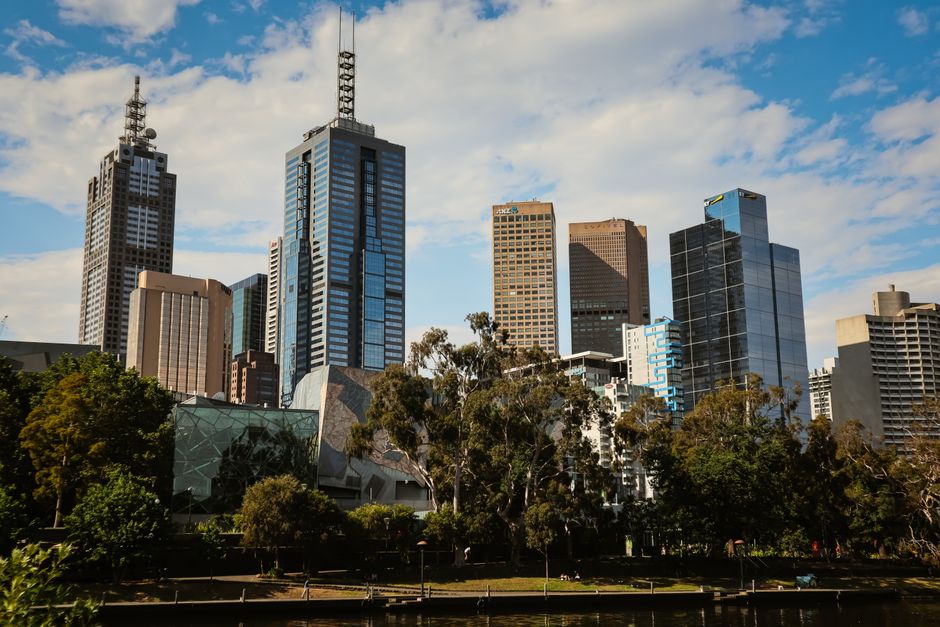
Canberra's commercial property market is undergoing a quiet but significant realignment. After years of uncertainty following the pandemic, businesses across the nation's capital are reassessing their office footprints, with implications that will shape workplace strategy for the next three to five years.
The trend is unmistakable: flexible, hybrid-friendly spaces are displacing traditional long-term leases. Across Civic, Barton, and Kingston—Canberra's primary business districts—landlords report increased interest in smaller floor plates and co-working arrangements. Average asking rents in Civic have stabilised around $250–$280 per square metre annually, down from pre-pandemic peaks, reflecting a market where vacancy rates have climbed to approximately 8–10 percent.
"The businesses that are thriving are those adapting quickly," according to local property sector analysts. Technology firms and consulting practices are leading the charge, particularly in areas with strong connectivity and lifestyle amenities. Kingston has emerged as an unexpected winner, with its proximity to retail, hospitality, and residential zones attracting professional services firms seeking talented staff who value integrated neighbourhoods.
Government agencies remain Canberra's anchor tenants, but even here, change is evident. The shift toward agile workplaces has reduced demand for sprawling, single-purpose office towers. This has created opportunity in the refurbishment sector, with older buildings on Northbourne Avenue and around the Braddon precinct attracting investor attention for conversion into mixed-use developments.
For businesses currently lease-hunting, timing matters. Landlords facing longer vacancy periods are increasingly willing to negotiate on rates and fit-out contributions. The softer market benefits tenants with flexibility; those locked into multi-year agreements signed during peak demand may find themselves paying above current rates.
Sustainability credentials are emerging as a competitive differentiator. Properties with strong energy ratings, modern facilities management, and wellness features command premium positioning, even in a buyer's market. New entrants and growing firms should prioritise buildings with Environmental, Social, and Governance certifications.
The hybrid work revolution also reshapes support services. Businesses need fewer permanent desks but increasingly demand high-quality meeting facilities, wellness amenities, and reliable technology infrastructure. Properties offering these features are better positioned to attract and retain quality tenants.
As Canberra's economy continues to diversify beyond government, commercial property decisions will prove critical. The window for securing premium space at reasonable rates is real, but only for organisations willing to think differently about how, where, and why they occupy physical space in 2026 and beyond.
This article was compiled by AI from the sources linked above and screened before publishing. See our editorial standards.

Business
Business
Business
Business
About this article
Published by The Daily Canberra
Spread the word
Daily brief
Free, in your inbox before 7am. Weekdays.
The Daily Network — local news across Australia