Business
Canberra's Office Market Rebound: Early Movers Cash In As Demand Surges
After three years of uncertainty, landlords and developers betting on the capital's commercial core are seeing vacancy rates plummet and rents climb.
3 min read
Business
After three years of uncertainty, landlords and developers betting on the capital's commercial core are seeing vacancy rates plummet and rents climb.
3 min read
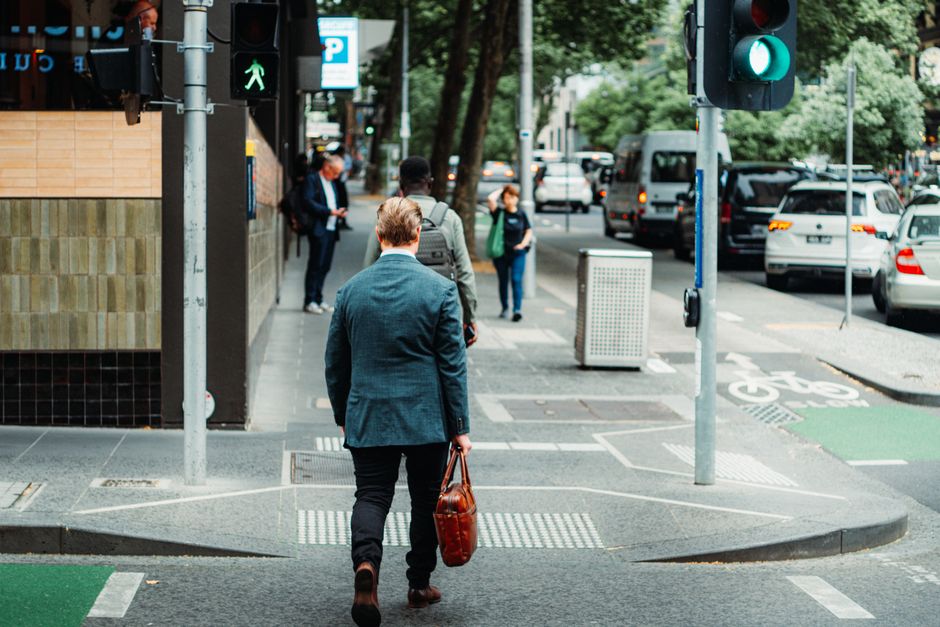
Canberra's commercial property market is experiencing a sharp reversal, with downtown office spaces along Bunda Street and London Circuit now commanding premium rates as occupancy rates climb back above 85 per cent for the first time since 2022. The shift is creating a windfall for early investors who held firm through the post-pandemic downturn, while latecomers are scrambling to secure space in a tightening market.
The turnaround reflects a confluence of factors: government agencies consolidating into the CBD after years of decentralisation planning, tech firms drawn by Canberra's expanding innovation district around Dickson, and multinational companies establishing regional headquarters in the capital. Average commercial rents in prime locations have climbed 12 per cent year-on-year, according to recent leasing data, with fit-out costs rising proportionally.
"We're seeing genuine demand now," says the leasing arm of one of Australia's largest property platforms, which reports that buildings offering modern amenities, reliable connectivity, and collaborative workspaces are moving faster than ever. Class A office stock near the city centre is particularly tight, with several prominent buildings operating at near-full capacity.
PropertyShark Canberra's second-quarter snapshot reveals that institutional investors who acquired distressed assets during 2023-24 are now realising returns as their holdings appreciate. A mid-sized commercial property in Civic that traded hands at a significant discount two years ago is now valued 18 per cent higher, with renewal leases signed at substantially improved rates.
Smaller property managers and boutique developers are also benefiting. Those who invested in selective refurbishments—upgrading to hot-desking facilities, improving natural light, and adding outdoor break spaces—are filling vacancies faster than competitors. A recently renovated six-storey office tower on Alinga Street achieved 90 per cent occupancy within four months of completion.
The pipeline remains competitive. Several major developments are underway in Barton and Kingston, which could absorb some current demand, but consensus among agents suggests genuine undersupply in the Civic zone itself will persist through 2027. Government lease expansion announcements—particularly from the Department of Industry and the Australian Public Service—are widely expected to tighten the market further.
Not everyone is celebrating. Smaller tenants and start-ups are finding costs rising faster than their revenue, with some relocating to secondary precincts like Tuggeranong or exploring shared-office arrangements. The premium placed on premium addresses has created a two-tier market: thriving for landlords of well-positioned stock, tougher for those offering dated space or secondary locations.
This article was compiled by AI from the sources linked above and screened before publishing. See our editorial standards.
Business
Business
Business
Business
About this article
Published by The Daily Canberra
Spread the word
Daily brief
Free, in your inbox before 7am. Weekdays.
The Daily Network — local news across Australia