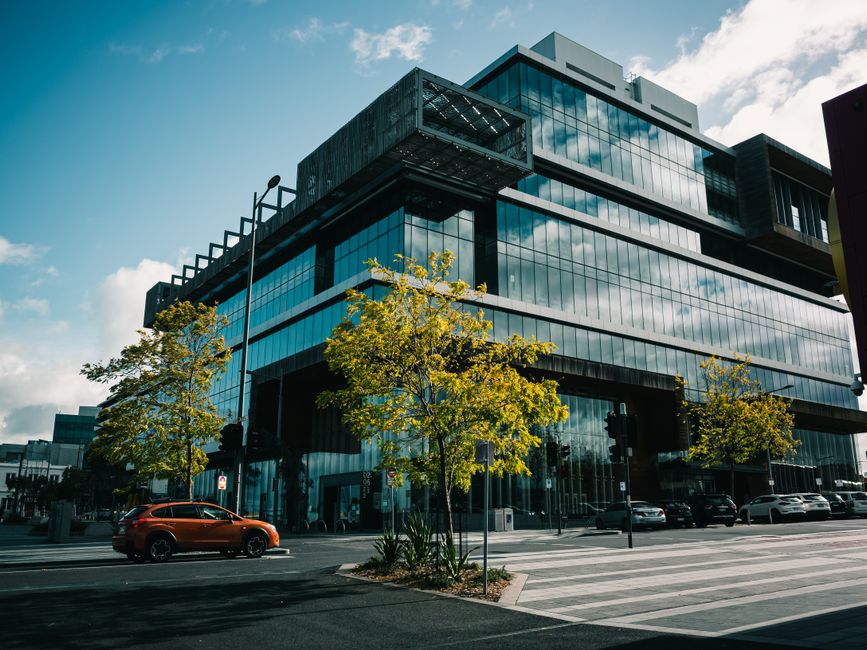
In a year marked by global uncertainty, Canberra's employment landscape has proven resilient. The Australian Capital Territory's jobless rate remains comfortably below the national average, yet sectors beyond the traditional public service are quietly reshaping where locals work. At the forefront of this shift is Sarah Chen, whose software solutions firm Veritas Digital has grown from a home-based operation in Kingston to a 47-person team now headquartered in a purpose-built office near the Canberra Innovation Precinct in Braddon.
Chen's trajectory reflects broader trends in the ACT's $45-billion economy. While the public sector still employs roughly 30% of the workforce, private enterprise is accelerating. Veritas Digital, which specializes in compliance automation for mid-market businesses, has tripled headcount in three years—a hiring spree that mirrors confidence across Canberra's professional services and technology sectors.
"We're not competing for Canberra jobs; we're creating them," Chen explained in recent remarks to the Canberra Business Council. The company's recent $8-million Series A funding round, raised from Melbourne and Sydney investors, underscores growing recognition that talent and innovation aren't confined to the east coast.
The ripple effects are measurable. Graduate recruitment across Canberra's tech and professional services sectors has jumped 22% since 2024, according to Australian National University's Employment Research Centre. Average salaries in software development now reach $92,000—roughly 15% above the ACT median of $78,500—pulling skilled workers from interstate and retention rates have improved markedly.
What distinguishes Canberra's moment is diversity. While technology is booming, growth sectors now span renewable energy engineering, advanced manufacturing, and health sciences. The ACT's unemployment rate for 15-24 year-olds has fallen to 6.2%, its lowest in a decade, suggesting younger workers are finding pathways beyond the traditional graduate intake programs that once dominated the local market.
Yet challenges remain. Cost-of-living pressures—average Canberra rents have climbed 18% since 2023—threaten to offset wage growth. Housing affordability in inner suburbs like Braddon and Kingston now rivals Sydney's inner west, placing pressure on employers to compete for talent.
Chen's success, however, signals that opportunity is genuine. For Canberra's business community, the message is clear: the city's employment future isn't written by politicians and public servants alone. It's being written by entrepreneurs willing to bet on local talent, market conditions, and the city's growing reputation as more than a capital—a destination for serious enterprise.
This article was compiled by AI from the sources linked above and screened before publishing. See our editorial standards.