Canberra's tourism sector is experiencing a remarkable resurgence, with visitor numbers climbing 34 per cent year-on-year, and the boom is fundamentally reshaping how local employers recruit, train, and retain staff across the hospitality and service industries.
The surge is most visible along Northbourne Avenue and across the Civic precinct, where hotels, restaurants, and attractions are expanding operations faster than they can fill positions. The National Museum of Australia, Australian War Memorial, and Parliament House now collectively employ over 2,800 people, up from 2,100 five years ago—a testament to the sector's explosive growth.
"We're seeing unprecedented competition for front-of-house and management talent," says Tourism Canberra's industry engagement coordinator. Hotels like those clustered around Commonwealth Avenue are offering sign-on bonuses of up to $5,000 and flexible scheduling to attract workers, a departure from historical hiring practices in the capital.
The skills shortage is particularly acute in culinary and hospitality management roles. Venues throughout the Kingston and Braddon precincts—increasingly popular with interstate and international visitors—are reporting vacancy rates of 15-20 per cent for specialist positions. Average hospitality wages in Canberra have risen 8.3 per cent in the past 18 months, outpacing broader employment growth.
Educational institutions are responding. Canberra Institute of Technology has expanded its hospitality and tourism programmes by 40 per cent, with enrolments in certificate-level courses now exceeding 1,200 annually. Local universities are similarly adjusting curricula to emphasise customer experience and business resilience.
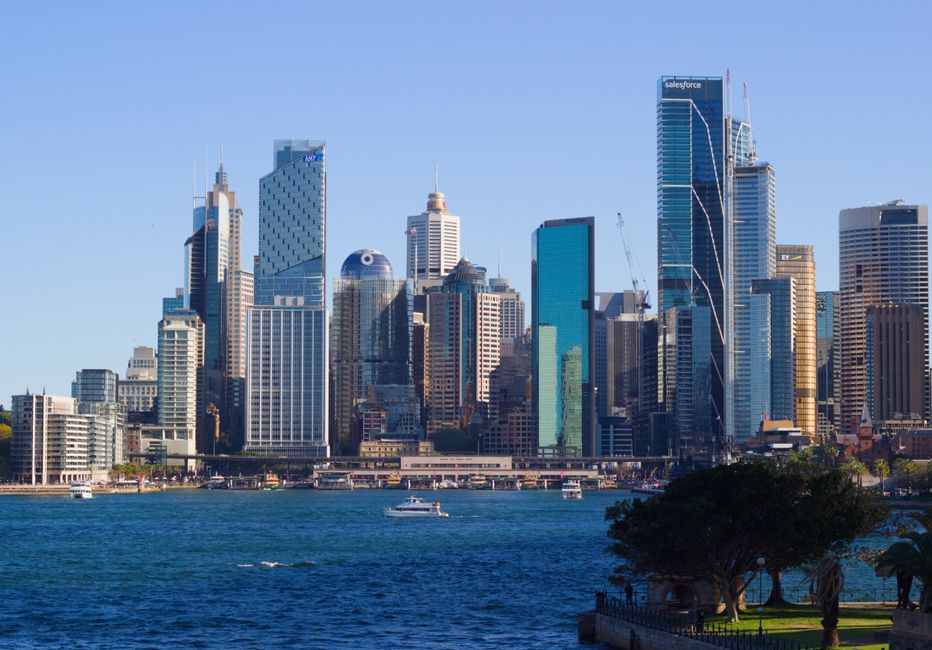
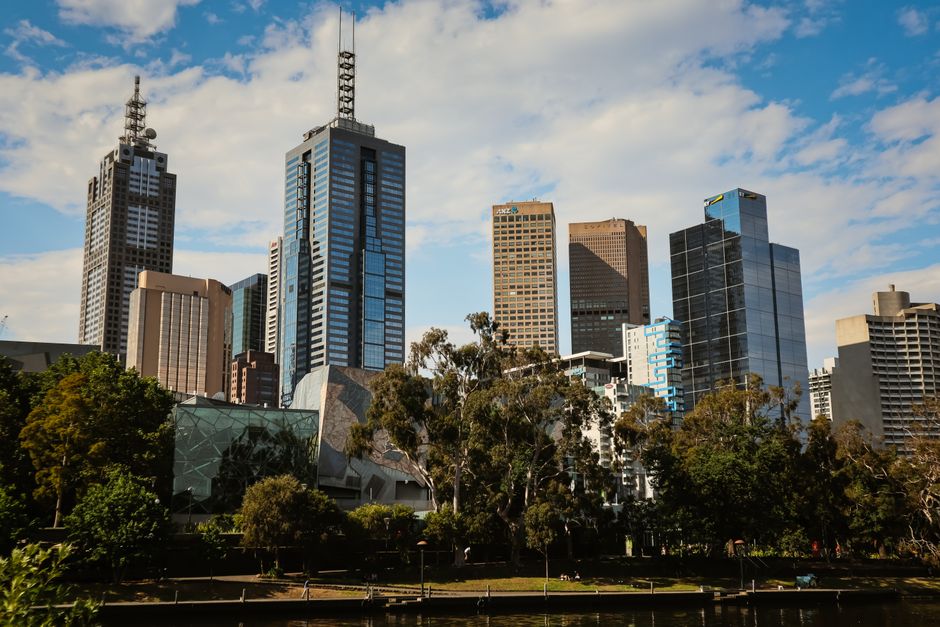
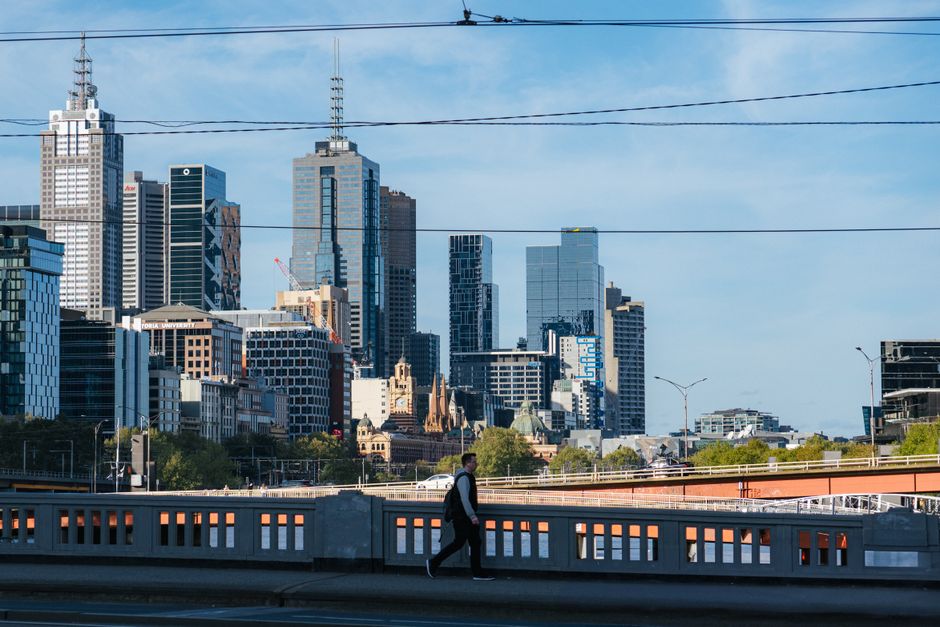
The talent drain to Melbourne and Sydney—historically a challenge for Canberra's service sectors—has also slowed noticeably. Younger workers are increasingly choosing to remain in the capital, attracted by lower housing costs relative to other major cities and the cultural cachet of a growing visitor economy.
However, challenges persist. Seasonal volatility means employers struggle with year-round staffing, while international worker visa policies create uncertainty. Casual and part-time work dominates the sector, limiting career progression incentives.
Business leaders emphasise that sustained growth depends on workforce stability. The Canberra Business Chamber has lobbied state and federal policymakers for targeted migration pathways and training subsidies to address structural shortages.
As international tourist arrivals continue climbing—pre-pandemic levels were exceeded in early 2024—the visitor economy will remain central to Canberra's employment landscape. For jobseekers and employers alike, the capital's tourism transformation represents both opportunity and operational complexity.
This article was compiled by AI from the sources linked above and screened before publishing. See our editorial standards.