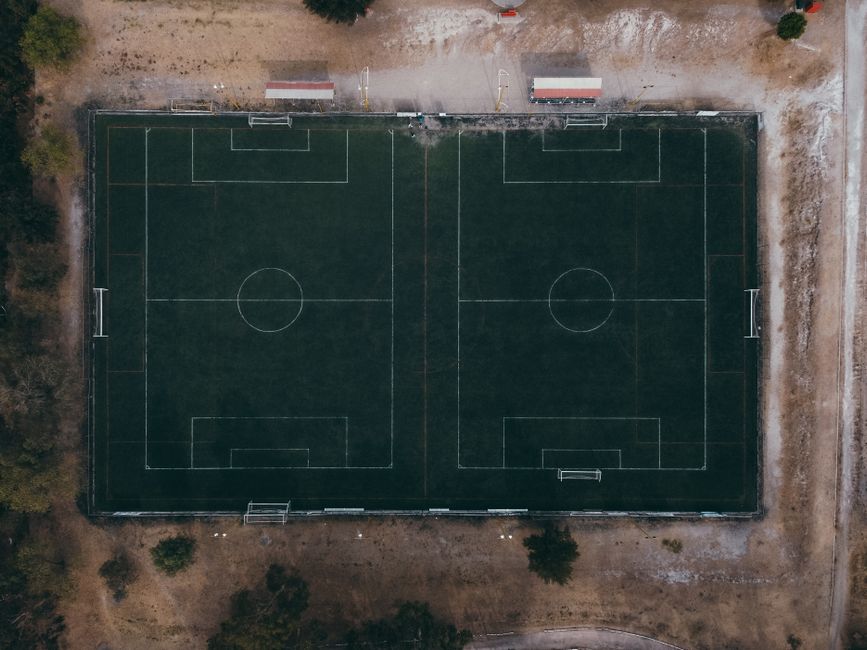
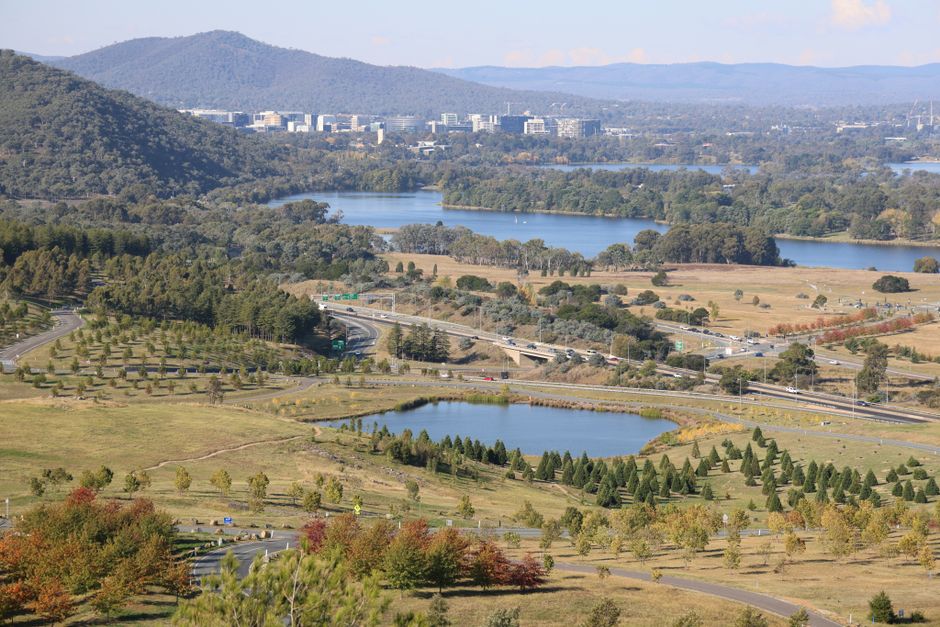
While the United States celebrated a landmark World Cup knockout victory this week, Canberra's football community faces a sobering reality: the nation's capital lacks the world-class infrastructure needed to develop elite players or attract major tournaments.
The situation is particularly acute across Canberra's primary football precincts. Venues like Manuka Oval remain dominated by Australian rules football, leaving soccer programs squeezed into secondary timeslots. Meanwhile, suburban clubs across Belconnen, Weston Creek, and Gungahlin rely on council-maintained fields that deteriorate rapidly during winter months when fixture congestion peaks.
"We're running three senior teams from a single oval that floods in July," said one local club administrator, requesting anonymity due to strained council relations. Current data shows Canberra has approximately 180 registered junior soccer teams competing for access to fewer than 40 dedicated pitches—a ratio that compares unfavourably to Melbourne (2.1 teams per pitch) and Sydney (1.8 teams per pitch).
The economic implications are significant. Elite academies in other capitals invest $8-12 million annually in facility upgrades, specialized training surfaces, and flood-lit fields. Canberra's football budget remains fragmented across council departments, with no centralised investment strategy. A 2025 audit by the Australian Football Association identified surface quality concerns at 65 percent of ACT's registered venues.
Positive momentum exists. The proposed $15 million Canberra Football Park development in Lyneham aims to address this gap, featuring three international-standard pitches and player accommodation. However, funding remains contingent on federal grants—currently delayed beyond the 2026 budget cycle.
Infrastructure investment directly correlates with player development. Young athletes training on deteriorating fields face increased injury risk and limited exposure to professional-standard playing conditions. Canberra has produced notable talent over decades, yet scouts increasingly bypass the territory for talent identification in better-equipped eastern seaboard cities.
The infrastructure challenge also affects women's football, which comprises 40 percent of Canberra's soccer participation but receives disproportionately fewer dedicated facilities. Evening lighting, change room amenities, and pitch maintenance standards lag male-focused venues.
International tournaments like the women's AFC Asian Cup (hosted in Australia in 2026) underscore what's possible with proper investment. Canberra could compete for hosting rights if infrastructure matched its ambitions. Currently, that gap remains substantial.
As grassroots clubs and the ACT Football Federation advocate harder for capital investment, one message is clear: Canberra's soccer future depends less on talented young players than on the grounds they train on.
This article was compiled by AI and screened before publishing. See our editorial standards.