Sport
Canberra's grassroots sports clubs transform community health
Amateur leagues across the capital are quietly building social cohesion and local identity beyond elite athletics.
3 min read
Sport
Amateur leagues across the capital are quietly building social cohesion and local identity beyond elite athletics.
3 min read

On any given Thursday evening, the ovals of Parkes Netball Club hum with activity. Under lights that flicker to life as winter sets in, teams in mismatched training gear weave through drills, their laughter punctuating the sound of balls hitting strings. This is where Canberra's sporting heartbeat truly lies—not in the stadium crowds, but in the unglamorous, essential work of grassroots clubs that bind neighbourhoods together.
The recreational sport movement in Canberra has quietly experienced remarkable growth over the past five years. Data from the ACT Sports Commission shows participation in amateur competitions across netball, football, cricket, and basketball has increased by 22 per cent since 2021, with over 45,000 residents now actively competing in organised leagues. The economic contribution exceeds $180 million annually—a figure that encompasses club fees, equipment purchases, and volunteer labour valued at market rates.
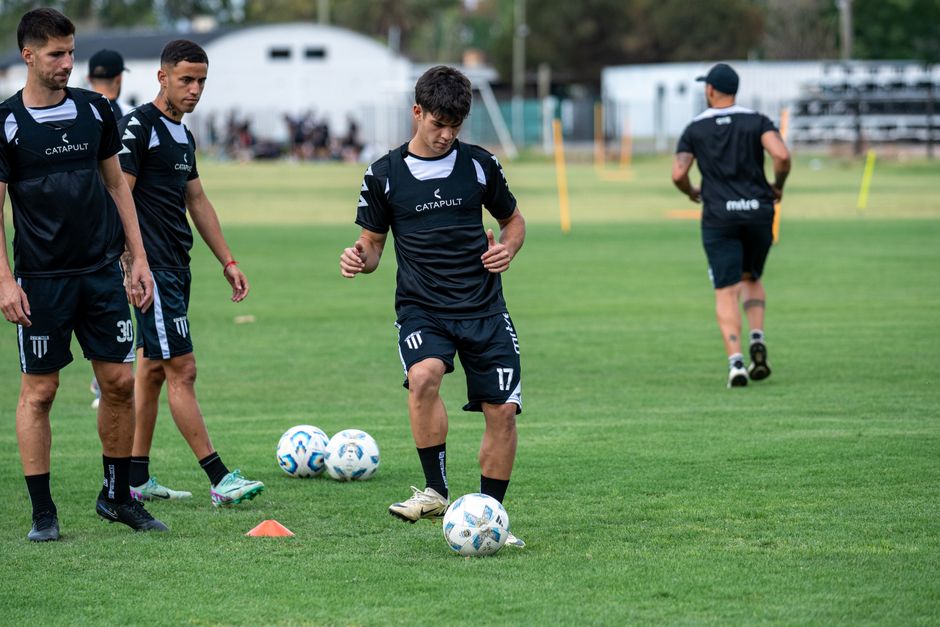
"People join for fitness, but they stay for community," says Lisa Chen, operations manager at Lyneham Football Club, which oversees both men's and women's divisions across three age grades. What began in 2003 with a handful of junior teams now fields more than 250 registered players each season, generating approximately $95,000 in annual revenue through membership fees—typically between $320 and $480 per player, depending on age group.
The model works because it distributes responsibility. Parents volunteer as coaches and committee members; local businesses sponsor jerseys; council facilities in suburbs like Weston, Belconnen, and Tuggeranong provide affordable training grounds at $40–$60 per hour. Volunteer administrators—often parents managing spreadsheets late into the evening—handle fixture scheduling, injury reporting, and child safety protocols without monetary compensation.
Yet challenges persist. Ground availability remains constrained during winter competition peaks. Coaching accreditation costs deter potential volunteer developers. Childcare logistics exclude many working parents from evening commitments. Many clubs operate on margins so thin that a single major expense—like repainting change rooms at O'Malley Oval—requires months of fundraising bake sales and raffles.
What makes this movement remarkable isn't the absence of problems, but the persistence despite them. Club committees meet monthly in suburban meeting rooms. Junior coaching clinics run through school holidays. Social media groups coordinate carpool systems. These unglamorous logistical efforts create the infrastructure through which thousands of Canberrans access belonging, fitness, and friendship.
As elite sporting achievements command media attention, it's worth remembering: the future of any sport—and any community—builds itself on these ovals, week after week, organised by volunteers who will never see their names in headlines.
This article was compiled by AI and screened before publishing. See our editorial standards.
Sport
Sport
Sport
Sport
About this article
Published by The Daily Canberra
Spread the word
Daily brief
Free, in your inbox before 7am. Weekdays.
The Daily Network — local news across Australia