Canberra's outdoor adventure scene has undergone a quiet revolution. What once meant a weekend trip to the Blue Mountains now increasingly means stepping into one of the capital's growing network of climbing facilities—or tackling the dramatic sandstone formations within an hour's drive.
The emergence of purpose-built climbing venues across Canberra reflects broader investment in extreme sports infrastructure. Climbing walls in Fyshwick and Belconnen now serve as training grounds for recreational climbers and competitive athletes alike, with membership-based facilities offering rope courses, bouldering walls, and coaching programs. These venues have become social anchors, attracting not just climbers but families exploring the sport for the first time.
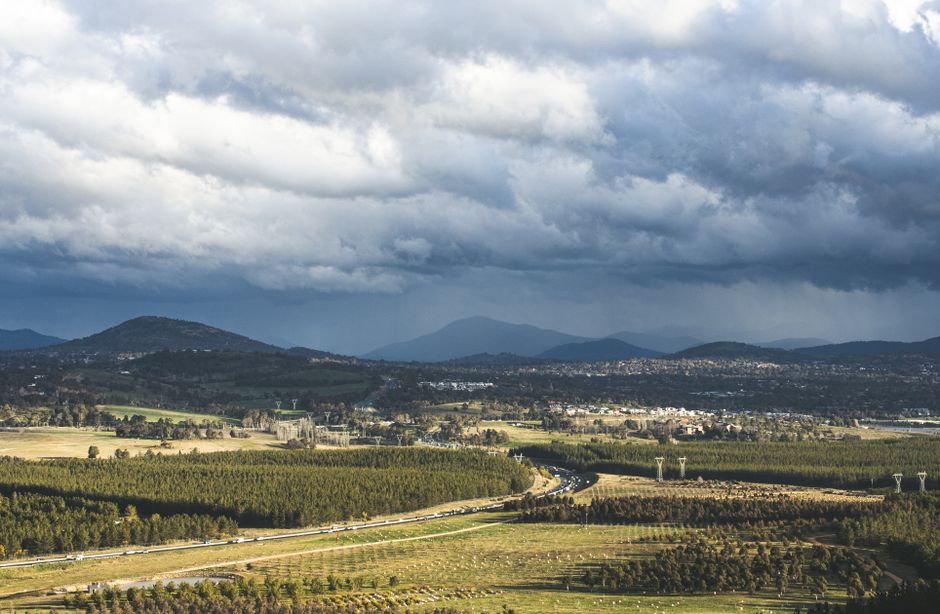
The natural climbing landscape is equally compelling. The Brindabella Ranges, accessible via routes from the southern suburbs, host hundreds of established climbs ranging from beginner-friendly pitches to technical grade 24+ challenges. Tidbinbilla Nature Reserve, just 30 minutes south-west of the city centre, offers both climbing opportunities and broader adventure sport infrastructure—walking trails, abseiling points, and designated activity zones that have been developed over the past five years with support from the ACT Government's Active Canberra initiative.
Local climbing clubs have proliferated, with groups regularly organising trips to established crags at Booroomba Rocks and Gibraltar Peak. These informal networks have become essential infrastructure in their own right, creating mentorship pathways for newcomers and maintaining climbing areas through voluntary maintenance.
The economics matter too. Gym memberships typically range from $20–$35 per week, making the sport accessible compared to other adventure activities. Day-trip costs to natural crags remain low, though guided experiences with professional instructors—increasingly available through Canberra-based operators—command $150–$300 per person.
Infrastructure investment extends beyond climbing walls. The ACT's trail network, maintained by volunteers and ACT Parks and Conservation Service staff, supports trail running, mountain biking, and hiking alongside climbing access. The Canberra Rock Climbing Club, operating since the 1980s, has worked with authorities to develop safe access routes and maintain ethical climbing practices at natural venues.
As participation in outdoor adventure sports continues growing nationally, Canberra's combination of accessible indoor facilities, high-quality natural rock, and established community networks positions it distinctly. The capital is no longer simply a gateway to climbing elsewhere—it's become a destination in its own right, with infrastructure supporting athletes from beginners to elite competitors.
This article was compiled by AI from the sources linked above and screened before publishing. See our editorial standards.