Walk past Manuka Oval on a Saturday morning and you'll see the reality of Canberra's recreational sports boom: car parks overflowing, multiple games stacked back-to-back, and frustrated coordinators juggling fixture schedules across limited available grounds.
The ACT's amateur sports landscape has expanded dramatically over the past five years. The Canberra District Rugby League reports a 34% surge in junior registrations since 2021, while the Canberra District Cricket Association oversees more than 120 clubs competing across summer competitions. Yet the infrastructure supporting these thousands of participants—from suburban ovals to indoor facilities—is straining under the weight of demand.
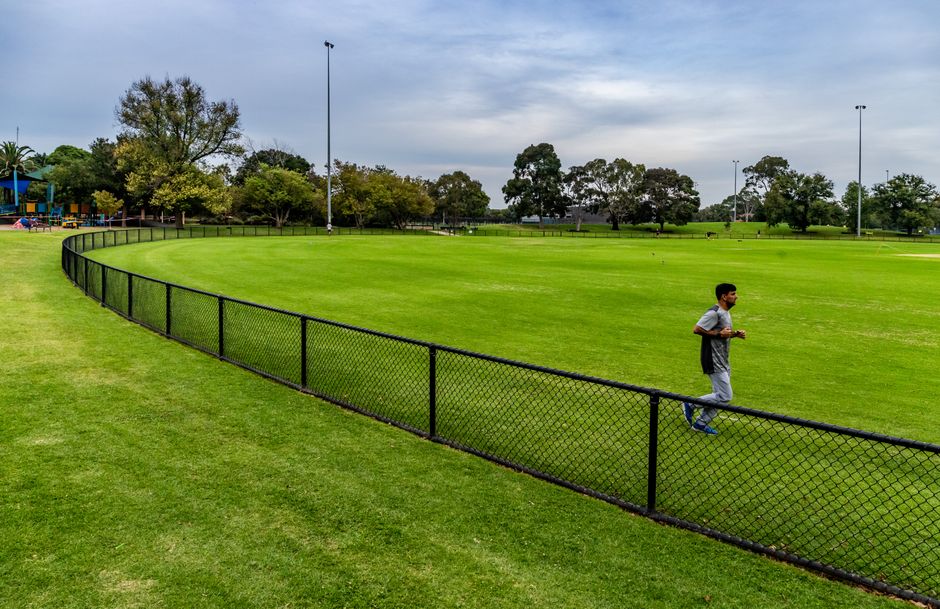
"We're operating at capacity," says the challenges facing clubs managing grounds across suburbs like Tuggeranong, Belconnen, and Weston Creek. Facilities at venues including Gungahlin Lakes, Hawker Playing Fields, and the numerous oval complexes in Canberra's town centres are in constant use from dawn through to evening during peak seasons, leaving little room for maintenance or expansion.
The economics are becoming precarious. A typical amateur sports club managing a ground in the ACT faces annual maintenance costs between $15,000 and $40,000, depending on size and condition. Many clubs operate on thin margins, relying on government grants and volunteer labour. The ACT Sport and Recreation sector received $8.2 million in funding during the 2024-25 budget, but distributed across hundreds of clubs and dozens of sports, it stretches thin.
Indoor facilities present another bottleneck. Basketball courts, netball centres, and multipurpose venues in suburbs like Fyshwick and O'Connor book out months in advance. Badminton and volleyball clubs frequently conduct sessions in church halls and community centres due to limited dedicated court space.
Some clubs are adapting creatively. Several district football associations have staggered their competitions to use shared grounds more efficiently, while cricket clubs are experimenting with shorter formats to fit more matches into available slots. The Canberra Mixed Netball Association has expanded into evening competitions under lights at Ainslie and Dickson ovals.
Infrastructure development, however, lags behind demand. While the ACT Government has invested in upgrades to facilities in recent years, including improvements to several sporting complexes, community sports leaders argue more is needed—particularly in growing areas like Gungahlin and Molonglo.
The question facing Canberra's sports community is straightforward: can the capital's recreational infrastructure grow fast enough to match participation rates? For now, clubs are making do with resourcefulness and patience. But if the trends continue, the squeeze will only get tighter.
This article was compiled by AI from the sources linked above and screened before publishing. See our editorial standards.