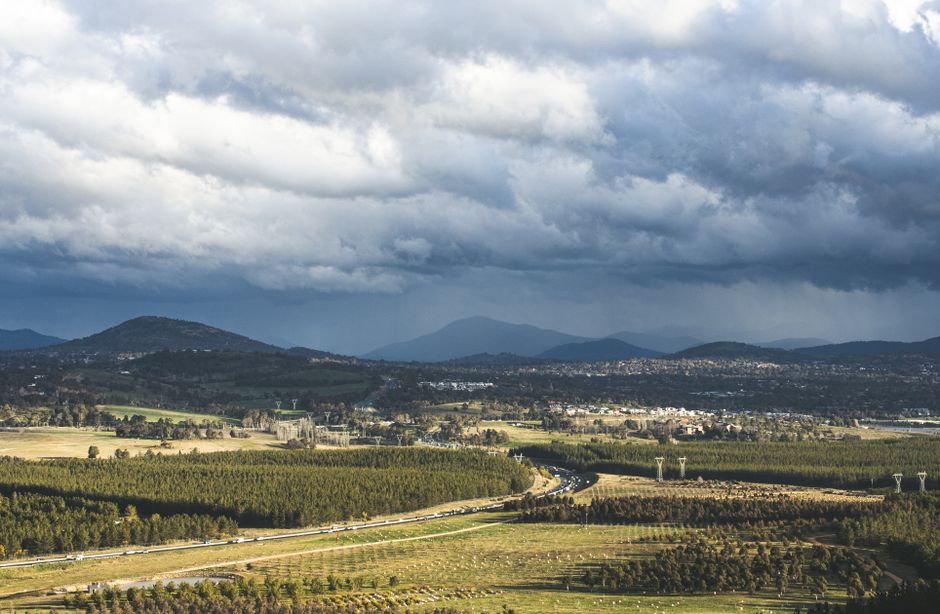
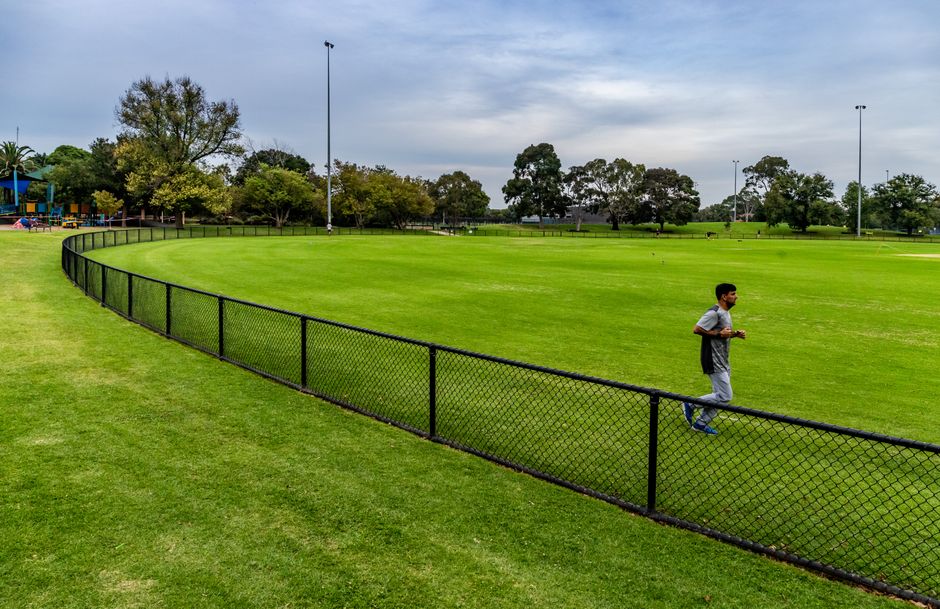
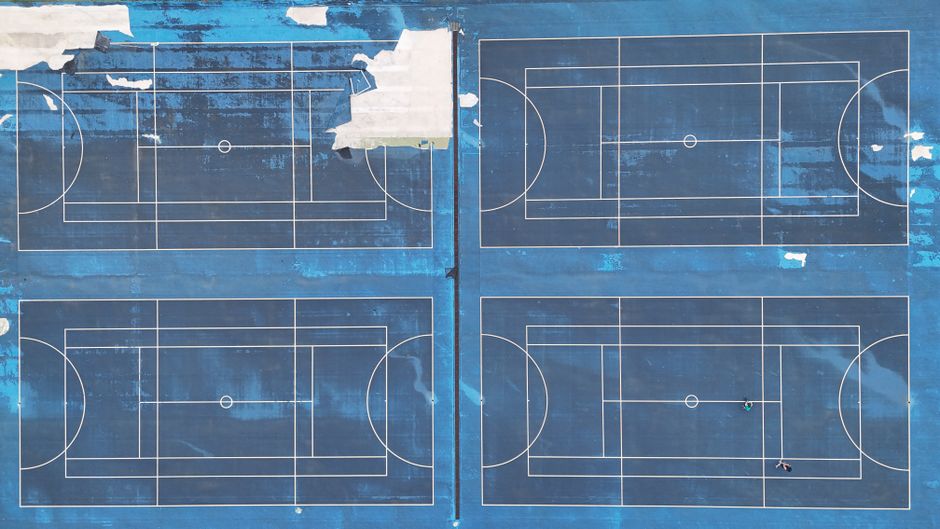
Walk past any suburban oval in Canberra on a Saturday morning and you'll witness the real story of Australian sport. It's not the polished professional fixtures at GIO Stadium or the manicured courts at the AIS—it's the parent helping tie shoelaces, the volunteer groundskeeper chalking lines at dawn, and the local club treasurer juggling equipment budgets on a shoestring.
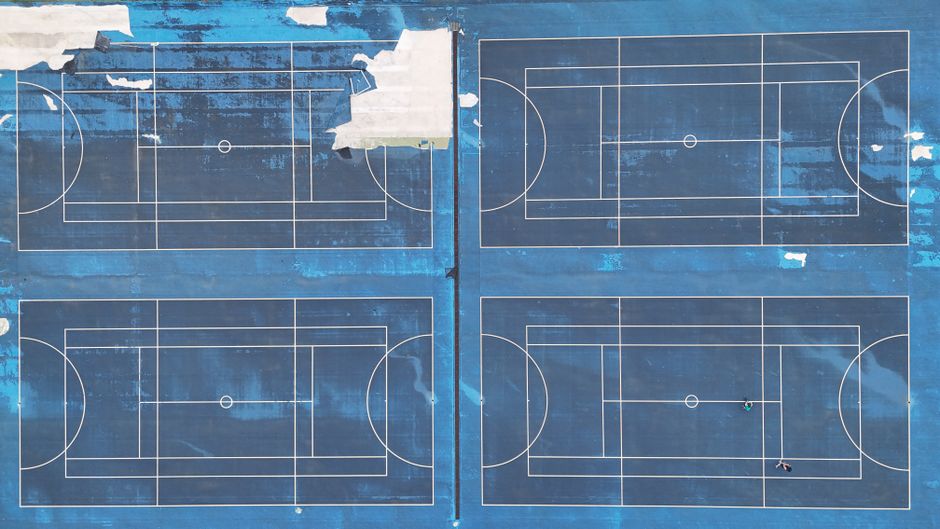
The Canberra grassroots movement has quietly transformed the city into one of Australia's most community-engaged sporting hubs. From the red earth ovals of Gungahlin to the netball courts dotting suburbs like Belconnen and Tuggeranong, these humble venues serve as incubators for talent that eventually reaches elite levels. Yet they're chronically underfunded and often overlooked by policymakers.
"Community sport is the foundation," explains a spokesperson from the Canberra District Rugby Union Club, based in the Inner South. "We're talking about 2,000-plus volunteers across the ACT running junior programs that cost families between $150 and $400 per season. Many clubs operate on less than $50,000 annual budgets."
The statistics are striking. Approximately 47,000 Canberrans participate in community sport weekly, yet dedicated grassroots facilities often lack basic amenities. The Bruce Stadium precinct and Dickson netball courts serve thousands, but suburban ovals from Weston Creek to Ngunnawal struggle with maintenance backlogs and aging infrastructure.
What makes Canberra's grassroots movement distinctive is its accessibility model. Subsidised junior programs, multi-sport pathways, and inclusive community hubs have created lower barriers to entry than many Australian cities. The Canberra Community Sports Alliance coordinates over 140 affiliated clubs, generating an estimated $180 million in economic and social value annually.
Yet volunteers—the lifeblood of these operations—face burnout. Committee roles often consume 10-15 hours weekly, unpaid. Equipment costs skyrocket. Facility availability remains contested between competing codes and age groups.
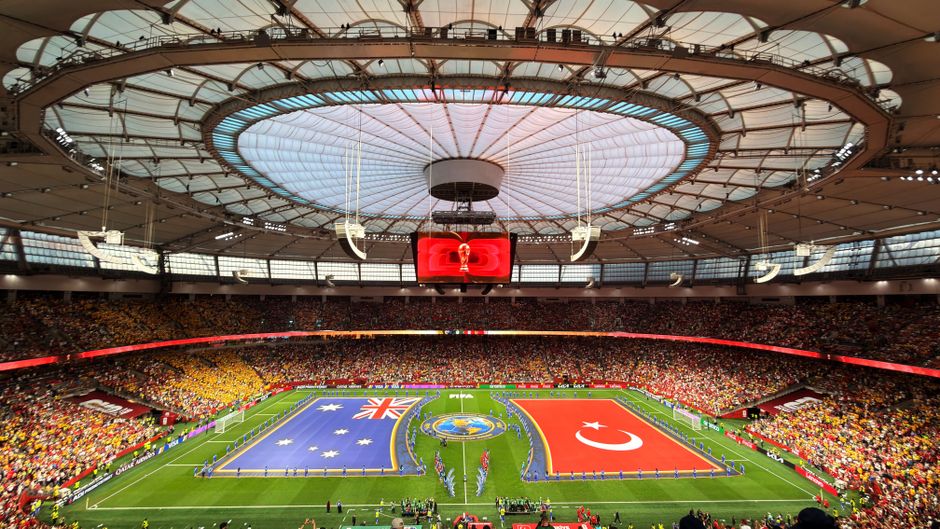
As Canberra's population continues growing, the gap between grassroots demand and facility supply widens. While GIO Stadium hosted 28,000 spectators for recent NRL fixtures, the community grounds serving future generations of athletes remain largely invisible to mainstream sports coverage and funding priorities.
The grassroots movement isn't seeking headlines—just investment. Because every elite athlete started somewhere: on a local oval, with a volunteer coach, in a community that believed in them before the world ever would.
This article was compiled by AI from the sources linked above and screened before publishing. See our editorial standards.