Sport
What Participation Data Reveals About Canberra's Evolving Fitness Culture
New figures show how Canberrans are reshaping their approach to exercise, with surprising shifts in gym membership, outdoor training, and wellness priorities.
2 min read
Sport
New figures show how Canberrans are reshaping their approach to exercise, with surprising shifts in gym membership, outdoor training, and wellness priorities.
2 min read
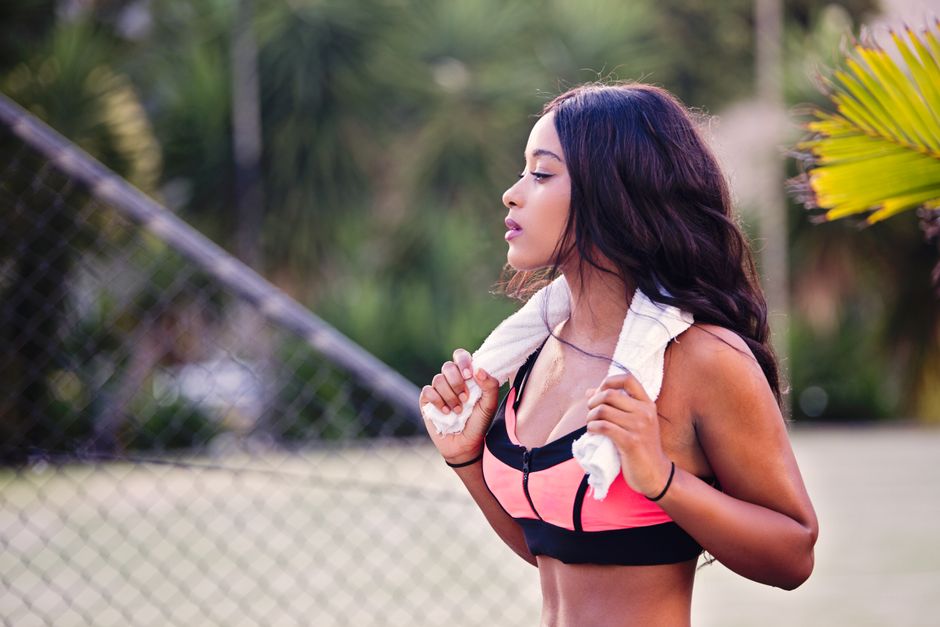
Canberra's fitness landscape is undergoing a quiet transformation, and the numbers tell a compelling story about how locals are prioritising their health and wellbeing in 2026.
Recent participation data from major fitness operators across the capital reveals a three-pronged shift in gym culture. Traditional 24-hour gym memberships in central hubs like Civic and Braddon have plateaued at around 35 per cent of the pre-2020 peak, while boutique fitness studios—particularly cycling studios in Barton and yoga studios scattered through inner-north suburbs—have seen consistent growth of 8-12 per cent annually over the past two years.
"What we're seeing is less about the decline of gyms and more about diversification," explains the fitness sector data. Participation in outdoor fitness activities has surged notably. Running clubs operating from venues like Haig Park and the lake circuit now boast memberships exceeding 2,400 active participants, up 40 per cent since 2023. Similarly, outdoor CrossFit-style training groups in suburbs like Woden and Tuggeranong have attracted younger demographics seeking community-driven fitness without traditional gym contracts.
The data also reveals a gender participation realignment. Women now comprise 52 per cent of gym memberships across Canberra, a shift from the historical 45 per cent figure. This change correlates directly with the rise of female-focused training facilities and community fitness initiatives across Gungahlin and the inner south.
Price sensitivity remains a factor. Average monthly gym membership costs in Canberra range from $45-65 for budget chains to $120-180 for premium facilities, yet participation hasn't followed expected patterns. Instead, hybrid models—combining casual drop-in rates ($15-25 per session) with optional longer-term commitments—dominate. This flexibility appears to resonate more than traditional annual memberships.
Perhaps most intriguingly, participation in wellness-adjacent activities has exploded. Group fitness classes focusing on mobility, breathwork, and recovery now account for approximately 28 per cent of boutique studio bookings, suggesting Canberrans are increasingly viewing fitness holistically rather than purely performance-driven.
The participation data paints a picture of a capital city moving away from one-size-fits-all gym culture toward fragmented, personalised, and community-embedded fitness experiences. Whether that trend continues will likely depend on how operators adapt to local preferences—and whether Canberra's growing population sustains this diverse ecosystem.
This article was compiled by AI from the sources linked above and screened before publishing. See our editorial standards.

Sport
Sport
Sport
Sport
About this article
Published by The Daily Canberra
Spread the word
Daily brief
Free, in your inbox before 7am. Weekdays.
The Daily Network — local news across Australia