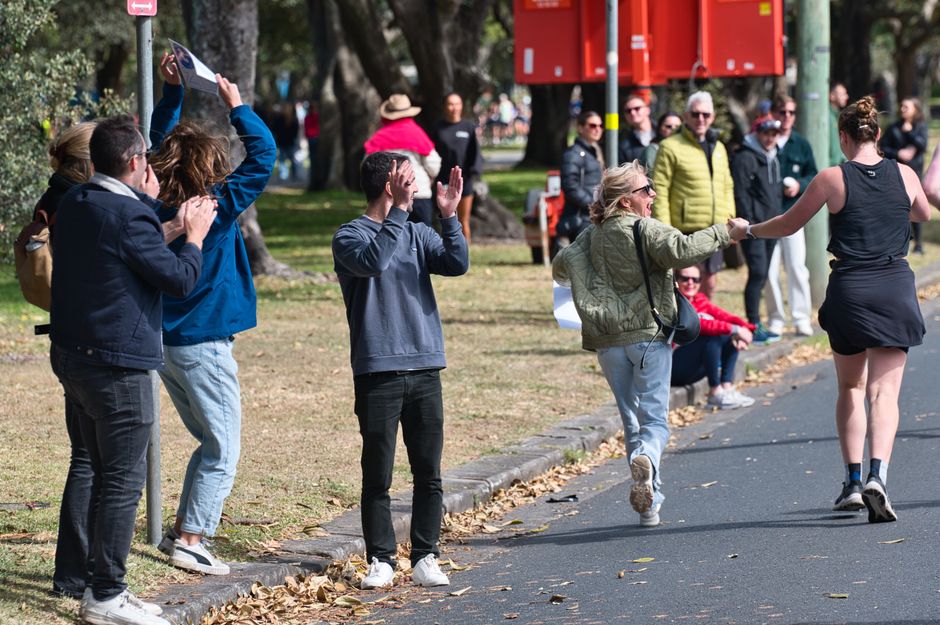
On any given Saturday morning across Canberra, hundreds of young athletes lace up their boots, pull on their jerseys, and head to neighbourhood ovals and courts. Behind this quiet revolution in grassroots sport lies an untold story of dedicated volunteers, underfunded clubs, and community leaders who refuse to let opportunity slip through the cracks.
The backbone of youth sport in Canberra runs through organisations like those operating from venues across Tuggeranong, Belconnen, and Woden. Clubs operating on shoestring budgets—many charging between $80 and $150 per season for junior participation—compete for court time and oval space while navigating rising costs for equipment, insurance, and facility hire. Yet participation numbers tell a compelling story: grassroots football, netball, basketball, and cricket clubs across the ACT continue to attract thousands of young players annually, despite these structural pressures.
What makes Canberra's grassroots movement distinctive is its reliance on volunteer coaching networks. Walk through Gungahlin on a weekend and you'll find parents, retired teachers, and former athletes donating 10-15 hours weekly to develop junior talent. Many receive minimal recognition, minimal compensation, and minimal formal training—yet they remain the lifeblood of youth sport development in the region.
The challenge is mounting. Rising facility costs mean some clubs have relocated multiple times in recent years. Coaching accreditation requirements, while necessary for safeguarding, create barriers for volunteers without formal credentials. Investment in grassroots infrastructure hasn't kept pace with Canberra's population growth, creating bottlenecks at popular clubs during registration periods.
Yet there's momentum. Community sport hubs in suburbs like Calwell and Dunlop are beginning to pool resources, sharing coaches and facilities to reduce individual club burden. Digital platforms connecting volunteers with clubs have streamlined recruitment. Local government support for junior pathways—though inconsistent—signals growing recognition of grassroots sport's value.
The real story isn't found in headline-grabbing elite achievements. It's found in the Saturday morning ritual: in the coach who arrives at 7am to set up cones, in the parent volunteer manning the canteen, in the child discovering they belong on a team. Canberra's grassroots movement thrives because these individuals understand something fundamental—that community sport builds more than athletes. It builds citizens, belonging, and resilience.
As Canberra continues evolving, so too must its commitment to the volunteers and clubs nurturing the next generation. Without them, the pathway from backyard kick-about to sporting excellence simply doesn't exist.
This article was compiled by AI from the sources linked above and screened before publishing. See our editorial standards.