Canberra's recreational sport sector is experiencing a quiet but unmistakable surge. Recent participation figures compiled by the ACT Sport & Recreation Alliance reveal that amateur league memberships across the territory have grown by 18 per cent over the past three years, with particular strength in winter codes and mixed-gender competitions.
The data paints a picture of a capital city fundamentally reshaping its relationship with fitness. Unlike the professional arena—where media attention gravitates toward elite athletes—these numbers capture something more revealing: how ordinary Canberrans are choosing to spend their leisure time and invest in their health.
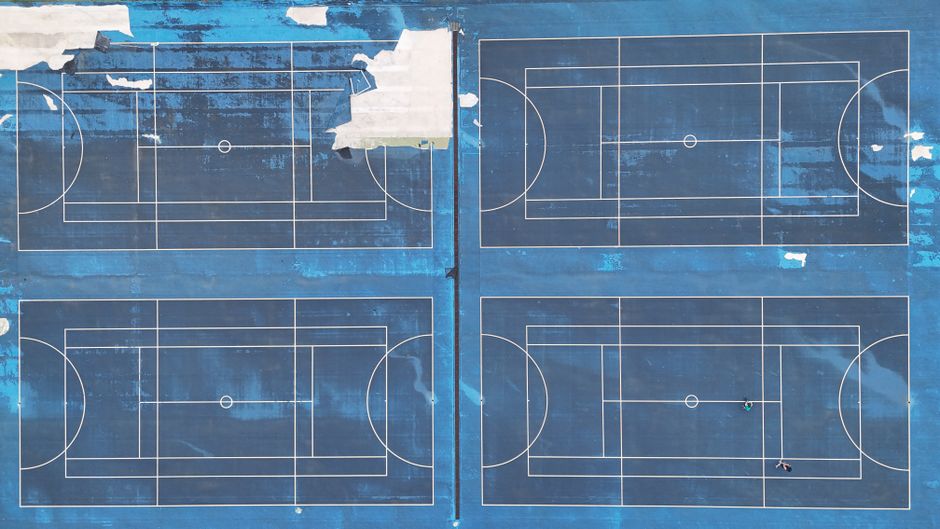
Summer netball competitions across Dickson and Weston Creek have seen registrations climb steadily, with the Canberra Netball Association now operating 47 teams in mixed and single-gender divisions. Similarly, amateur soccer clubs operating from fields in Gungahlin and along Lake Burley Griffin have expanded their fixture lists to accommodate demand. The Canberra Amateur Soccer League added four new clubs this season alone.
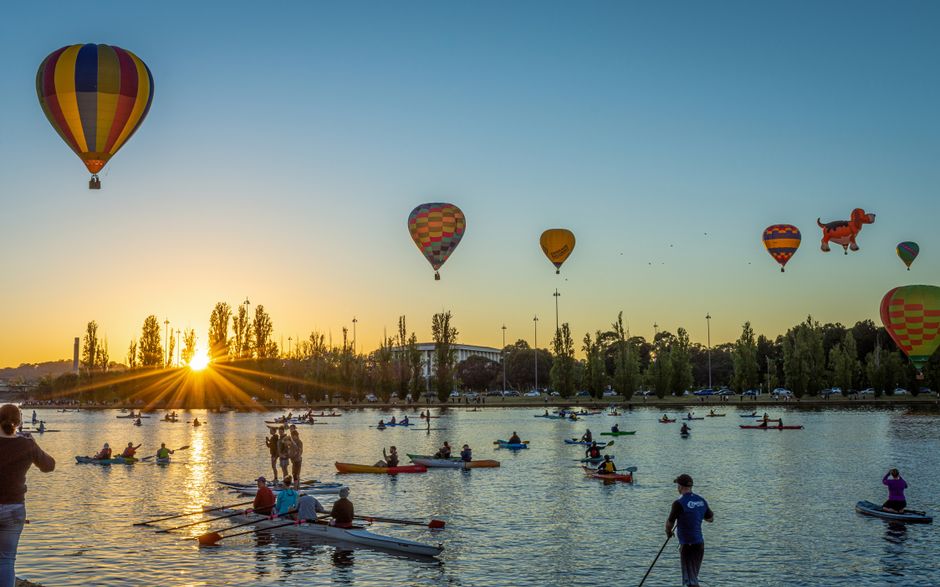
But the story isn't just about traditional sports. Participation in recreational running groups and CrossFit-style fitness clubs has nearly doubled since 2023. The proliferation of community cycling groups utilising the city's extensive network of bike paths—particularly around the Parliamentary Triangle and extending to Tuggeranong—suggests Canberrans are increasingly treating sport not as a competitive pursuit, but as a social and wellness necessity.
Fees remain accessible. Most amateur netball teams charge players $120–$180 per season. Recreational soccer clubs average $90–$150. This affordability, combined with flexible fixtures designed around work and family commitments, appears to be the formula driving uptake among working-age adults aged 25–45, who now comprise nearly 60 per cent of amateur league participants.
What's particularly striking is the gender shift. Women now account for 44 per cent of recreational league participants overall, up from 31 per cent in 2020. Mixed-gender competitions have become the fastest-growing segment across touch football, cricket, and basketball.
Local venues like the Canberra Sports Park in Fairbairn and the various community halls dotting suburbs from Woden to Belconnen have become cultural hubs in their own right—places where workplace teams, neighbour groups, and friend circles regularly gather.
The data suggests Canberra's fitness culture is neither aspirational nor elite-focused. It's inclusive, social, and pragmatically woven into the fabric of suburban life. In an era when sedentary behaviour dominates, these numbers offer a counternarrative: that community sport, when made accessible and welcoming, remains a powerful drawcard.
This article was compiled by AI from the sources linked above and screened before publishing. See our editorial standards.