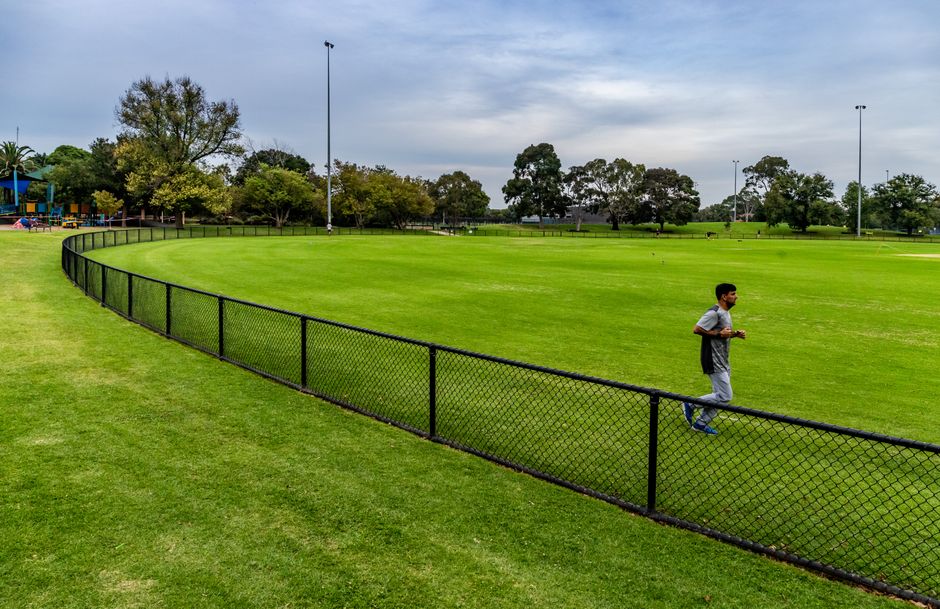
While national participation figures for junior sport have plateaued in recent years, Canberra's grassroots clubs are painting a different picture. From netball courts in Woden Valley to rugby league fields in Dickson, youth organisations across the nation's capital are experiencing genuine growth—and more importantly, they're rebuilding the social fabric that makes sport matter beyond the scoreline.
The Canberra Junior Rugby League Association reported a 23 per cent increase in registered under-16 players over the past three seasons, with participation now exceeding 2,400 young athletes. Similar growth patterns emerge across multiple codes. The Canberra District Netball Association has expanded from 34 junior teams in 2023 to 47 this year, with waiting lists at several suburban clubs in established areas like Tuggeranong and Belconnen.
What's driving this resurgence? Club officials point to a deliberate shift toward accessibility and community-first programming. Most junior memberships now cost between $180 and $320 annually—significantly below the national average of $450—while equipment subsidy programs have made entry barriers almost negligible. The Canberra Junior Cricket Board introduced a $50 annual fee structure for players aged under-12, resulting in a 40 per cent surge in registrations within 18 months.
But numbers alone don't capture the real story. These clubs have become genuine community hubs. The Dickson Ravens Football Club, operating across four ovals in the heart of northwest Canberra, now hosts 350 junior players and runs a thriving parents' volunteer network. Their Friday evening training sessions double as informal gathering points for families from two dozen different cultural backgrounds.
Similar dynamics play out at the Woden Valley Tennis Club, where expanded junior coaching programs have attracted 180 young members—many from households that historically sat outside sport's traditional demographic. The club's subsidised lessons for disadvantaged families represent a deliberate equity strategy now being replicated across the ACT.
Helen Street Reserve in Fyshwick and Calwell's expanding netball precinct have also undergone significant upgrades funded partly through local government partnership grants. These improved facilities have enabled clubs to offer year-round programming rather than seasonal competitions.
Club leaders acknowledge that success stems from treating youth sport as community infrastructure rather than purely competitive enterprise. Most now employ dedicated youth development officers and maintain active mentoring programs connecting junior athletes with senior players and former competitors.
As winter sports season approaches, these clubs face new infrastructure demands and coaching capacity challenges. Yet the momentum is undeniable. Canberra's grassroots sports sector isn't just surviving—it's demonstrating how investment in local clubs can rebuild genuine community in an increasingly fragmented world.
This article was compiled by AI from the sources linked above and screened before publishing. See our editorial standards.