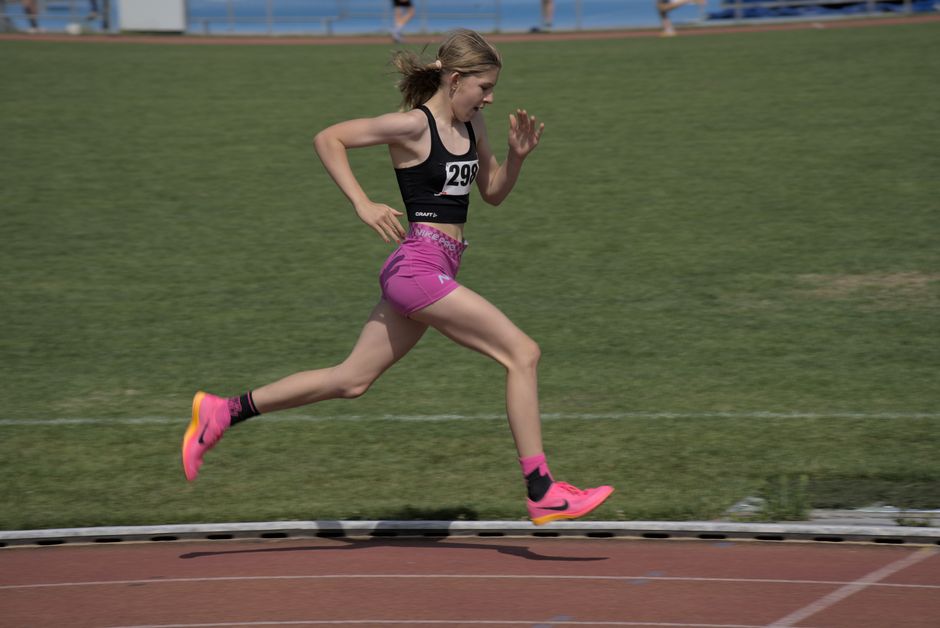
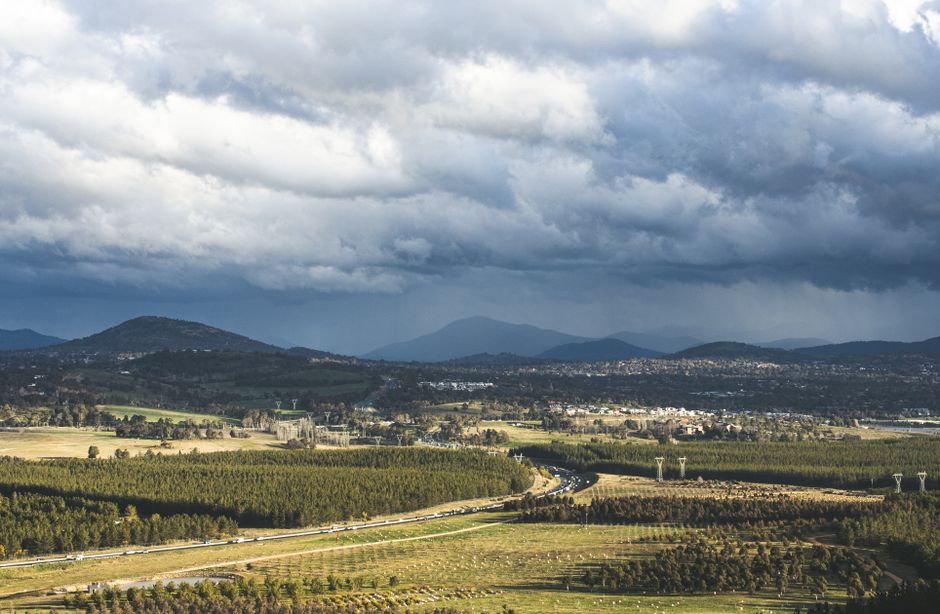
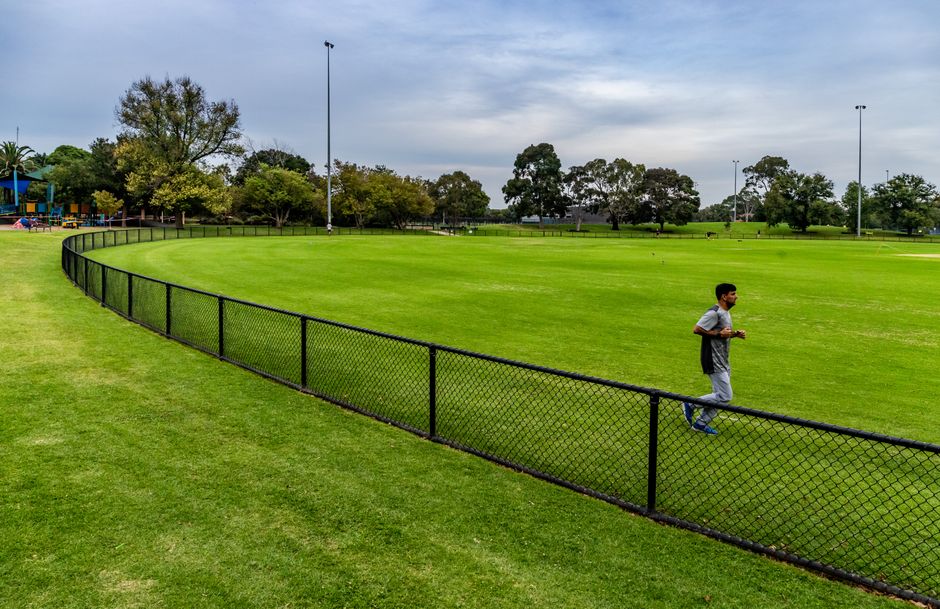
Canberra's endurance sports landscape has undergone a quiet revolution over the past five years, with significant infrastructure investments transforming the capital into a magnet for runners, cyclists and triathletes seeking world-class training environments.
The Australian Institute of Sport (AIS) in Bruce remains the epicentre, hosting elite athletes and offering coaching clinics that attract serious amateurs willing to pay $180–$250 per session. But the real democratisation of endurance sport has happened across suburban precincts. Lake Burley Griffin's recently upgraded pathways now span 21 kilometres of dedicated cycling and running lanes, with the southern shore promenade between Commonwealth Bridge and the Acton Peninsula particularly popular for weekend long runs and group rides.
"We've seen participation in triathlon increase by 23 per cent over three years," according to regional participation data from Triathlon ACT, the territory's governing body. That surge reflects more than just enthusiasm—it reflects infrastructure. The Dickson Aquatic Centre reopened in 2024 after a $12 million renovation, featuring a 50-metre Olympic pool alongside coaching facilities that have become essential for developing tri athletes transitioning from summer into autumn racing.
The cycling network expansion has been equally strategic. The multiuse path network now exceeds 280 kilometres, with recent upgrades to the Molonglo River corridor creating protected lanes through Woden that connect to Canberra's eastern suburbs. Mountain biking has found its home at Stromlo Forest Park in the western foothills, where $4.2 million in track improvements since 2023 have created trails ranging from beginner-friendly greens to challenging blacks that rival facilities in Melbourne and Sydney.
Suburban running clubs have flourished in response. Groups organising from the Canberra Running Festival's base near the Showgrounds now regularly field 500-plus participants at weekly sessions, up from 280 in 2021. Entry fees remain accessible—$8–$15 per session—reflecting the community-first ethos.
Perhaps most tellingly, hosting capacity has expanded. The capital now attracts 15–20 regional triathlon and ultramarathon events annually, compared to just five in 2019. The Canberra Marathon, held each October, draws 3,000 participants and generates approximately $2.1 million in local economic activity.
This isn't accident. The ACT Government's sports infrastructure strategy explicitly targets endurance sports as a growth category, recognising both health benefits and tourism potential. For athletes testing themselves against regional and national competition, Canberra's facilities increasingly offer genuine alternatives to the eastern seaboard's established hubs.
This article was compiled by AI from the sources linked above and screened before publishing. See our editorial standards.