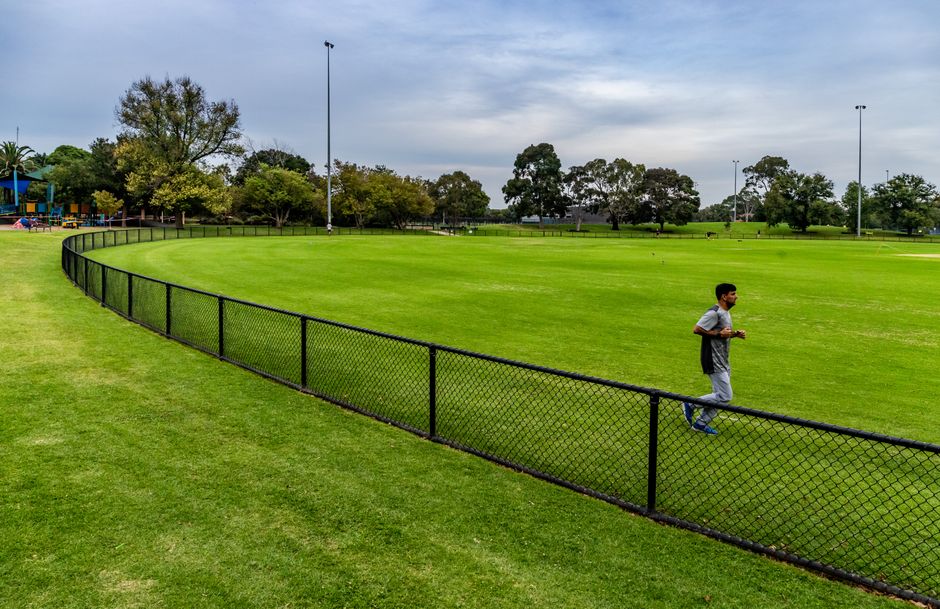
Every Saturday morning, the synthetic pitches at Gungahlin Sports Park hum with the sound of opportunity. While world football dominates international stages, here in Canberra's northern suburbs, a different kind of beautiful game is unfolding—one that has little to do with televised drama and everything to do with community resilience.
Canberra's grassroots football movement has exploded over the past five years. The Capital Football Association reports membership across community leagues has grown by 43 percent since 2021, with participation now exceeding 12,000 registered players across junior and senior divisions. It's a quiet revolution, largely invisible to mainstream sports media, yet profoundly reshaping how residents across Belconnen, Tuggeranong, Weston Creek, and Gungahlin connect.
At Fadden Reserve in Tuggeranong—where red earth meets suburban sprawl—volunteers have transformed what was once neglected parkland into a thriving hub. Four years ago, the facility hosted one junior competition. Today, it accommodates eight simultaneous matches on weekends, drawing families from postcodes across the entire ACT. Weekly fees of $28 per junior player and $35 for adults keep participation accessible, a critical factor in Canberra's economically diverse communities.
The movement's success rests on something simpler than celebrity endorsements or corporate sponsorship: human capital. Parents coordinate rosters, teachers referee matches, retired athletes coach emerging talent. At Weston Park in Weston Creek, three generations of the same family now volunteer to manage the facility's weekend operations.
But this isn't merely nostalgia for grassroots sport. Community football has become a genuine social infrastructure. Youth engagement workers cite Saturday football participation as a protective factor for young people, while neighbourhood coordinators report that these leagues create informal networks that support mental health, physical activity, and social cohesion—particularly important in Canberra's newer suburbs where transient populations can feel disconnected.
The ACT Government's modest $180,000 annual investment in community sport facilities has leveraged approximately $2.1 million in volunteer hours across the sector, according to sector analysts. That's resources multiplied through collective effort.
As international football makes headlines for its controversies and stratospheric wages, Canberra's community leagues remind us of football's original promise: a game that belongs to everyone, played by everyone, for the sheer love of it. On any given Saturday across the city's parks, that promise remains vibrantly alive.
This article was compiled by AI from the sources linked above and screened before publishing. See our editorial standards.