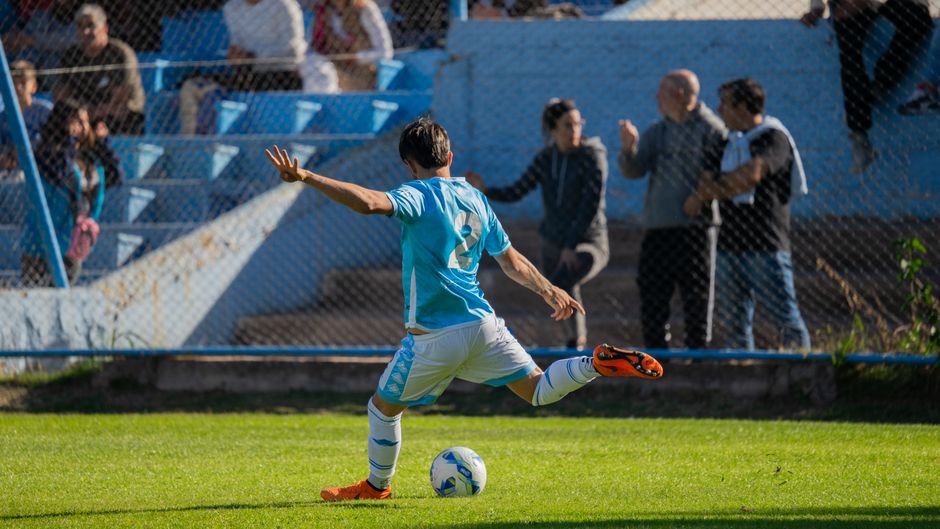
Walking through the grounds of Lyneham High School on a Thursday evening, you'll see something that tells a bigger story about Canberra's evolving relationship with fitness. Dozens of amateur players—many in their 30s and 40s—occupy the synthetic pitches, their commitment evident despite the chill of late June. This scene, repeated across suburbs from Woden to Belconnen, reflects a striking trend in local participation data that challenges conventional wisdom about how Canberrans stay active.
According to figures compiled by the ACT Football Association, participation in community soccer has grown by 34 per cent over the past three years. More tellingly, the surge isn't among younger demographics traditionally associated with organised sport. Adult recreational leagues—particularly those operating from venues like the Canberra Football Park in Nicholls and the facilities around Dickson—have seen membership increases of over 40 per cent since 2023.
"What we're witnessing is a deliberate pivot away from gym culture," observes the fitness landscape in Canberra's inner suburbs, where boutique studios have struggled while soccer clubs report waiting lists. A season pass for an adult mixed competition now costs around $280, positioning it as significantly more affordable than monthly gym memberships hovering near $70 to $100.
The data reveals something deeper than cost-consciousness. Participation surveys indicate that 67 per cent of adult recruits cite "community connection" as their primary motivation, ranking it above fitness goals. For a city where remote work and sprawling geography can fragment social ties, this insight is profound. The Canberra Masters Football League, which caters to players over 35, has expanded from four clubs in 2022 to twelve in 2026.
Neighbourhoods matter too. Suburbs like O'Connor and Forrest, with established clubs and proximity to quality facilities, show participation rates nearly double those of outlying areas. Meanwhile, initiatives bringing casual kickabouts to local parks in Gungahlin have sparked unexpected interest, suggesting infrastructure investment could unlock further growth.
The cultural shift extends beyond statistics. Venues in the parliamentary triangle precinct now host lunchtime social leagues, transforming how Canberrans conceptualise exercise—less as a solitary treadmill pursuit, more as embedded community practice. This isn't merely about fitness metrics; it's about how a maturing city prioritises wellbeing.
As winter deepens and participation typically dips, ACT Football officials remain bullish. The data suggests Canberra's soccer surge isn't a fad but a genuine recalibration of local values, where the pitch has become the city's unwitting wellness hub.
This article was compiled by AI from the sources linked above and screened before publishing. See our editorial standards.