In a city where digital work dominates, Canberra's recreational sports clubs are experiencing a renaissance. Amateur leagues across the capital are reporting unprecedented membership numbers, with local organisations crediting a post-pandemic surge in community connection and the simple human need to belong.
The Canberra District Hockey Association, which operates across venues including the hockey fields at Lyneham and Scullin, has seen participation jump 34 per cent over the past two seasons. "We've got waiting lists for our Tuesday and Thursday night competitions," says a spokesperson for the association. "What we're seeing is people from their twenties to their sixties joining for the first time." Weekly competition fees range from $45 to $65 per player, with season memberships offering better value for committed participants.
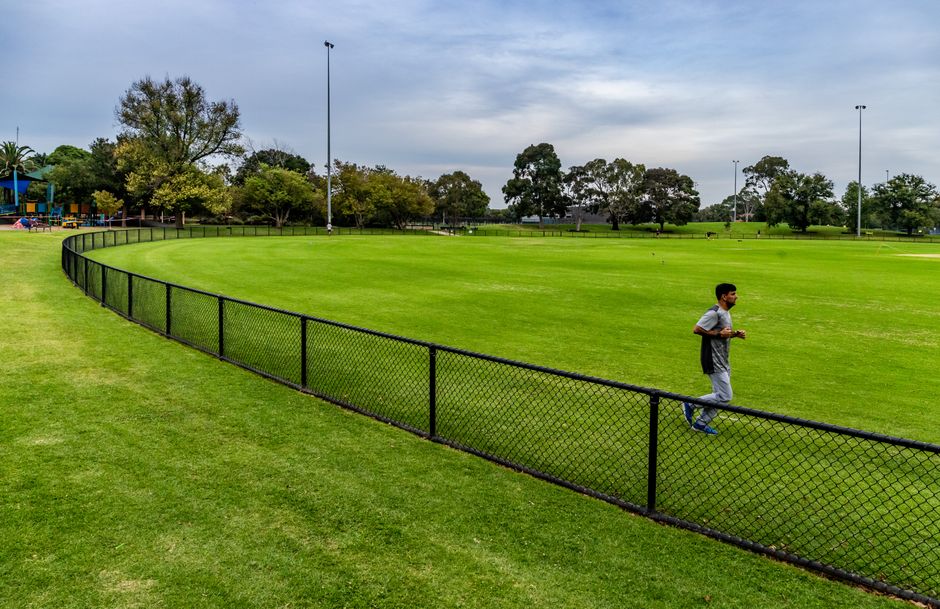
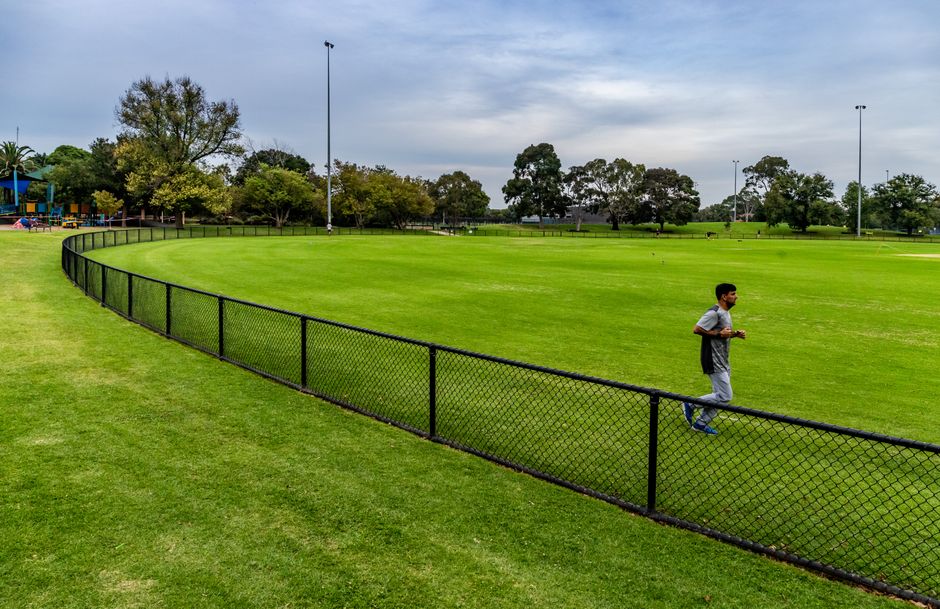
Similar patterns emerge across other codes. The Canberra District Cricket Association reports that social cricket leagues in Gungahlin and south Canberra suburbs are at near-capacity, with mixed-gender teams becoming increasingly popular. Meanwhile, the Canberra Touch Football Association operates eight separate competition divisions, accommodating everyone from absolute beginners to competitive semi-professional players.
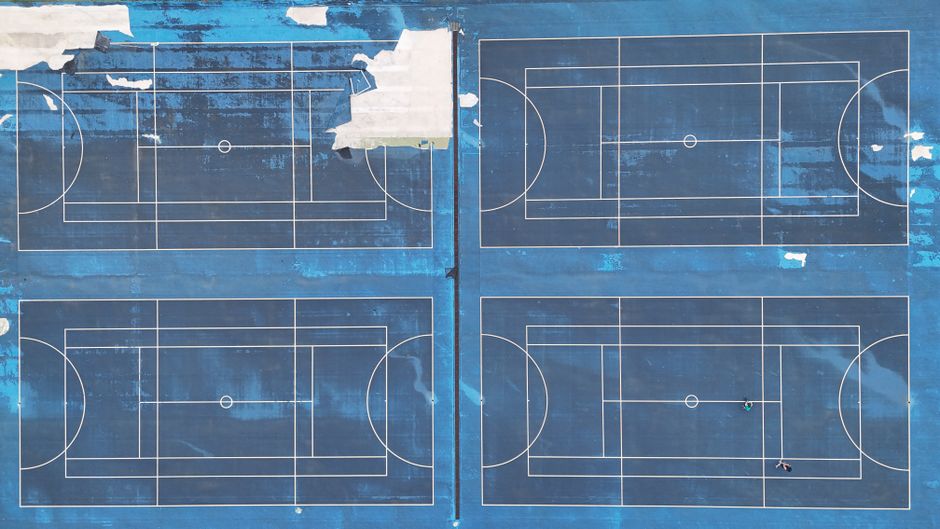
What distinguishes these clubs isn't just the sport—it's the community infrastructure they've built. Many organisations now offer social events beyond match days: bar nights in Braddon, charity fundraisers, and skills clinics for younger players. The Erindale District Sports Club, nestled in south Canberra's leafy Tuggeranong precinct, has become a genuine social hub, hosting everything from amateur netball competitions to post-game dinners.
Local business support has amplified this growth. Small venues and clubs across Canberra—from the Wanniassa sporting grounds to facilities in Woden Valley—have invested in better lighting and amenities, making evening participation more appealing to working professionals. Membership fees typically remain accessible, generally ranging from $100 to $250 annually for recreational players.
The trend reflects broader research suggesting that community sport participation improves mental health, builds social bonds, and creates neighbourhood identity. In Canberra's dispersed suburbs, these clubs have become natural gathering points.
For those interested in joining, most Canberra district associations maintain websites listing current competitions, registration deadlines, and training opportunities. Whether you're seeking competitive challenge or simply an evening among friendly faces, the city's amateur sports landscape offers genuine accessibility.
The message from clubs across Canberra is clear: you don't need to be elite to belong to something meaningful.
This article was compiled by AI from the sources linked above and screened before publishing. See our editorial standards.