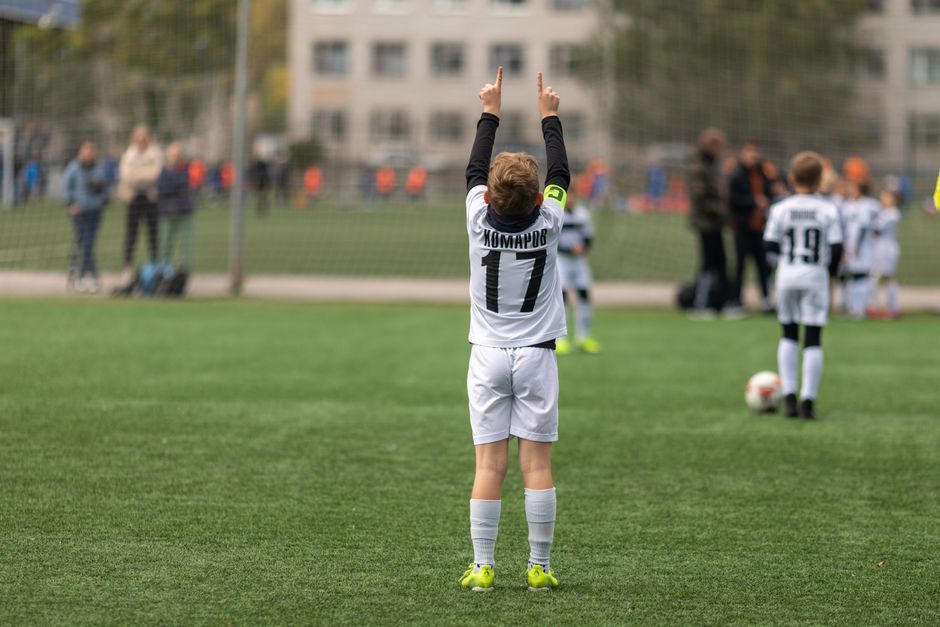
Walk past Manuka Oval on a Saturday morning and you'll see it: clusters of kids in training bibs, parents lining the sidelines, coaches calling out drills across multiple fields. It's a scene playing out across Canberra's suburbs, where youth sports clubs have become unexpected anchors for community life in 2026.
Data from the ACT Sports Commission reveals participation in grassroots sports has surged 23 per cent over the past three years, with nearly 14,000 young people now registered across affiliated clubs. The momentum reflects a broader shift: families are seeking structured, local alternatives to screen time, and clubs are delivering on that need.
At Tuggeranong Youth Soccer Club, based near Erindale Drive, membership has grown from 340 to 520 players in just two seasons. The club's expansion mirrors a regional pattern—Belconnen United Cricket, operating from grounds near University Avenue, reports similar growth. Their under-12s program has a waitlist.
"What's changed is parents realising these clubs are about more than sport," says Jamie Cauchi, coordinator at Weston Creek Hockey Club. "Kids develop resilience, friendship groups that matter. Parents volunteer, become friends themselves. The club becomes the neighbourhood gathering point."
This revival has practical economics. Most Canberra clubs charge between $180 and $320 annually for junior membership—affordable compared to private coaching. Many offer subsidised places for families facing financial hardship. Volunteers staff everything from training to administration, keeping operational costs manageable.
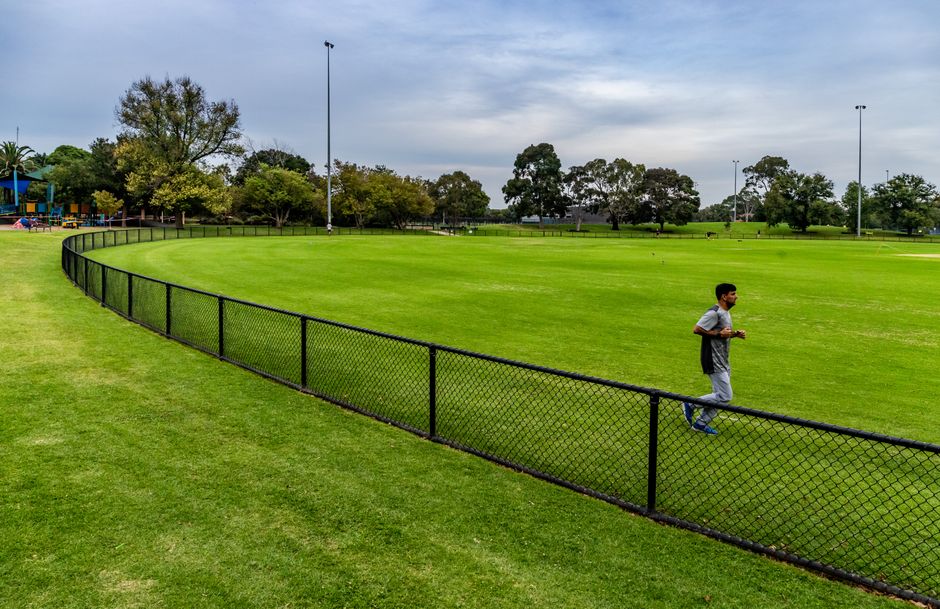
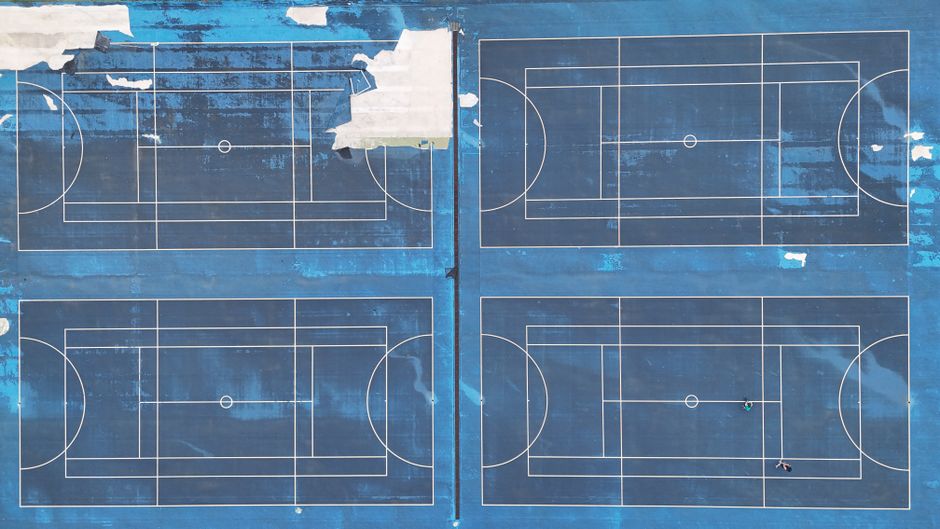
The infrastructure helps too. Investment in suburban ovals and courts—particularly upgrades to facilities in Charnwood, Kambah, and Ngunnawal over the past two years—has removed participation barriers. When a quality hockey pitch or netball court exists five minutes' walk away, family engagement follows.
Beyond participation numbers, clubs report stronger community outcomes. Parents tell stories of kids making friends across different schools. Older players mentor younger ones. Club fundraising—sausage sizzles, trivia nights, garage sales—creates shared purpose among families who might otherwise never meet.
"Sport is the connective tissue," observes Dr Helen Parks, ACT's community sports development officer. "In a city where neighbourhoods can feel atomised, clubs create genuine civic infrastructure. It's grassroots in the truest sense."
As Canberra continues expanding, these organisations face new pressures: demand outpacing facilities, volunteer burnout, equity gaps. Yet the momentum is undeniable. From Gungahlin to Woden, youth sports clubs aren't just developing young athletes. They're rebuilding the social fabric that makes suburbs feel like home.
This article was compiled by AI from the sources linked above and screened before publishing. See our editorial standards.