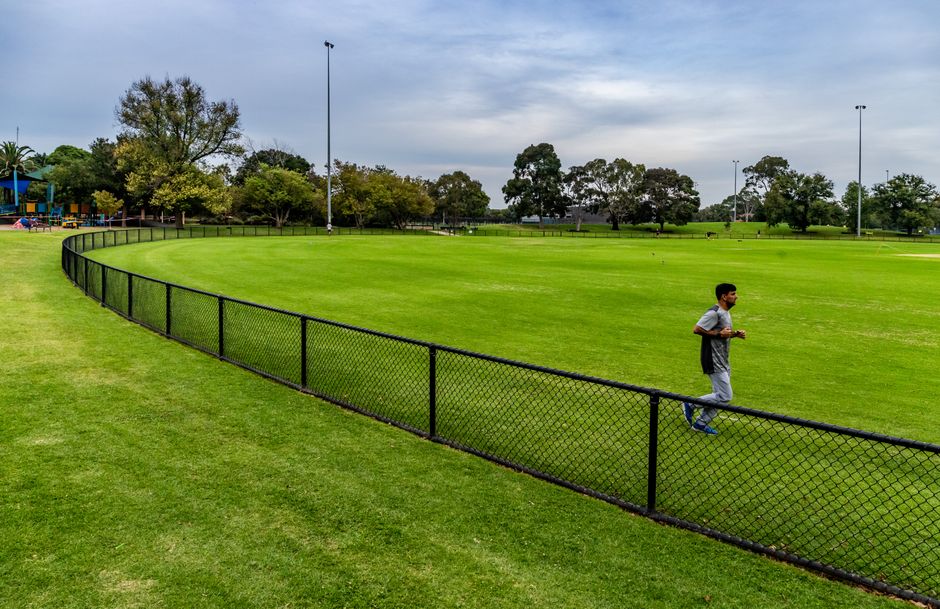
Walk past the Dickson Oval on a Saturday morning and you'll witness the transformation reshaping Canberra's sporting landscape. Between the soccer pitches and rugby fields, hundreds of young athletes—aged five to eighteen—are engaged in what has become far more than a game: a genuine community lifeline.
The data tells a compelling story. Over the past three years, youth participation across Canberra's grassroots clubs has grown by approximately 23%, according to surveys conducted by the ACT Sport & Recreation Commission. Clubs in rapidly developing suburbs like Gungahlin and Harrison have reported waiting lists stretching weeks into the future, while established hubs like Manuka Oval have expanded junior programs to accommodate demand.
"What we're seeing is families recognising that clubs do more than teach skills," explains one Weston Creek-based community sports coordinator. "They're providing structure, friendship, and belonging to kids who might otherwise spend their afternoons on screens."
The economics matter too. Most Canberra grassroots clubs charge between $180 and $350 per season for junior membership—significantly lower than private coaching—making organised sport accessible across income brackets. Volunteer-led initiatives, particularly in suburbs along the Monaro Highway corridor, have helped offset costs through fundraising and community grants.
Queanbeyan's expanding netball clubs, the Belconnen Soccer Association's growth trajectory, and emerging cricket academies across Gungahlin exemplify this trend. These aren't flashy, high-profile outfits; they're neighbourhood anchors where parents volunteer as coaches, older siblings mentor younger ones, and Saturday becomes sacred family time.
The social fabric strengthens alongside athletic development. Community barbecues, end-of-season presentations at local pubs, and inter-club carnivals create networks that extend far beyond sports fields. For migrant families settling in suburbs like Watson and Page, clubs have become essential cultural integration points.
Not everything is seamless. Facility availability remains contested—councils battle competing demands for ovals and indoor courts—and volunteer burnout is real. Yet the momentum is undeniable.
As Canberra continues rapid growth, with new suburbs and younger demographics emerging, grassroots clubs face unprecedented opportunity. They're proving that in an era of digital fragmentation, there's still profound hunger for real community, shared purpose, and the simple joy of organised sport.
For Canberra's families, the message is clear: local clubs aren't relics. They're flourishing.
This article was compiled by AI from the sources linked above and screened before publishing. See our editorial standards.