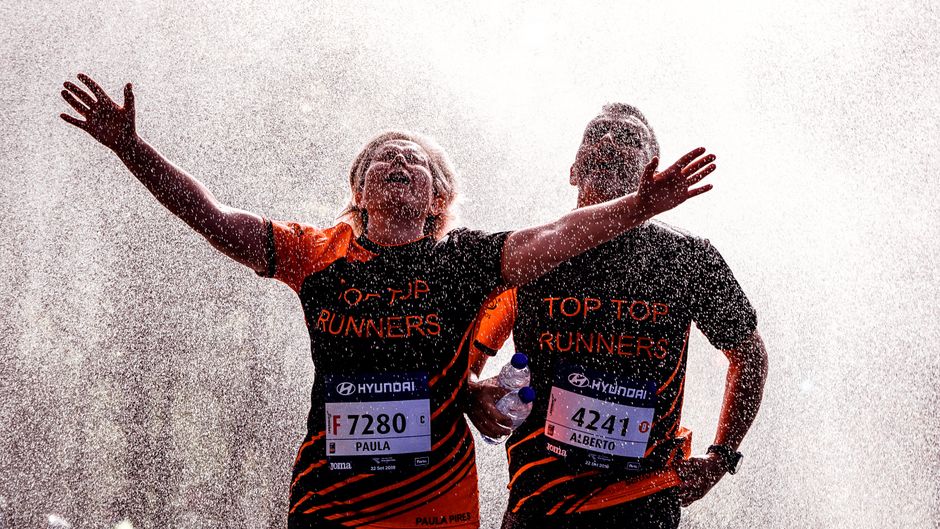
On any given Saturday morning, the foreshore around Lake Burley Griffin hums with activity. Runners of all speeds gather at designated meeting points—some tackling the 9.2-kilometre loop solo, others forming casual groups that stretch from the Botanic Gardens to Commonwealth Park. It's a scene being replicated across Canberra's endurance sports landscape, where clubs are reporting unprecedented growth and, more importantly, are fostering genuine community bonds in an age of increasing social fragmentation.
The Canberra Runners Club, based near the ACT Athletics Track on Leverrier Street, has expanded membership by 34 per cent over the past two years, now boasting over 1,200 active members. General fees start at $60 annually, with structured training programs catering to everything from beginner 5-kilometre cohorts to marathon preparation groups. "What's driving this isn't just fitness," says the club's communications coordinator. "People are seeking connection. They're discovering that a Tuesday night tempo run becomes a space where friendships genuinely develop."
Cycling tells a similar story. The Canberra Cycling Club operates across multiple disciplines—road, mountain bike, and gravel—with bases in both Woden and the inner north near Mitchell. Their weekend social rides, departing from various points including Dickson Shops, regularly attract 50-plus participants. Membership costs hover around $85 annually, while beginner-friendly events ensure newcomers aren't intimidated by competitive culture.
The triathlon boom has been equally striking. Capital Triathlon Club, which draws members from across the region, now runs four separate training cohorts weekly—a jump from two just three years ago. With facility access points at both the AIS aquatic centre and multiple cycling routes radiating from central Canberra, the sport's appeal here is undeniable. A standard triathlon club membership runs approximately $120 annually, with scaling options for students and families.
What distinguishes these clubs is their deliberate community-building infrastructure. Regular social events—post-training coffees, seasonal fundraisers for local charities, family-friendly fun runs—extend engagement beyond the physical discipline itself. Several clubs have established mentorship programs pairing experienced athletes with newcomers, recognising that retention hinges not on speed but on belonging.
The ripple effects extend beyond individual wellbeing. Local cafes near popular running routes report upticks in foot traffic; small retailers specialising in running gear and cycling components have flourished; and mental health services note that referrals increasingly include "join a sports community" as therapeutic recommendation.
As Canberra's endurance sports ecosystem continues its upward trajectory, it's worth recognising what's really happening: these clubs have become the connective tissue of modern community life, proving that shared physical challenge remains one of humanity's most effective—and enjoyable—ways to build lasting bonds.
This article was compiled by AI from the sources linked above and screened before publishing. See our editorial standards.