For Sarah, a mid-level APS officer earning $95,000 annually, the numbers don't add up. Renting a three-bedroom home in Gungahlin costs $2,100 per month. Saving a 20 per cent deposit on a median Canberra house-currently hovering around $835,000-would require nearly 15 years of sacrifice, assuming zero lifestyle expenses and perfect market conditions.
She's not alone. Across the ACT, the gap between renting and buying has widened to crisis proportions, forcing thousands of workers to reassess whether homeownership remains a realistic life milestone or merely a pipe dream.
The mathematics are brutal. To service a mortgage on the median house price, banks typically require borrowers to earn $140,000 or more-a figure well beyond the reach of many younger workers, single earners, and even dual-income households. Meanwhile, rental yields in established suburbs like Belconnen and Woden offer landlords steady returns, further incentivising investor demand and pushing prices upward.
Canberra's unique property ecosystem-underpinned by the stable APS workforce-has shielded the market from the volatility seen in Sydney and Melbourne. Yet this stability has a dark side. With auction clearance rates hovering around 65 per cent and low rental vacancy across the city, renters have nowhere to hide.
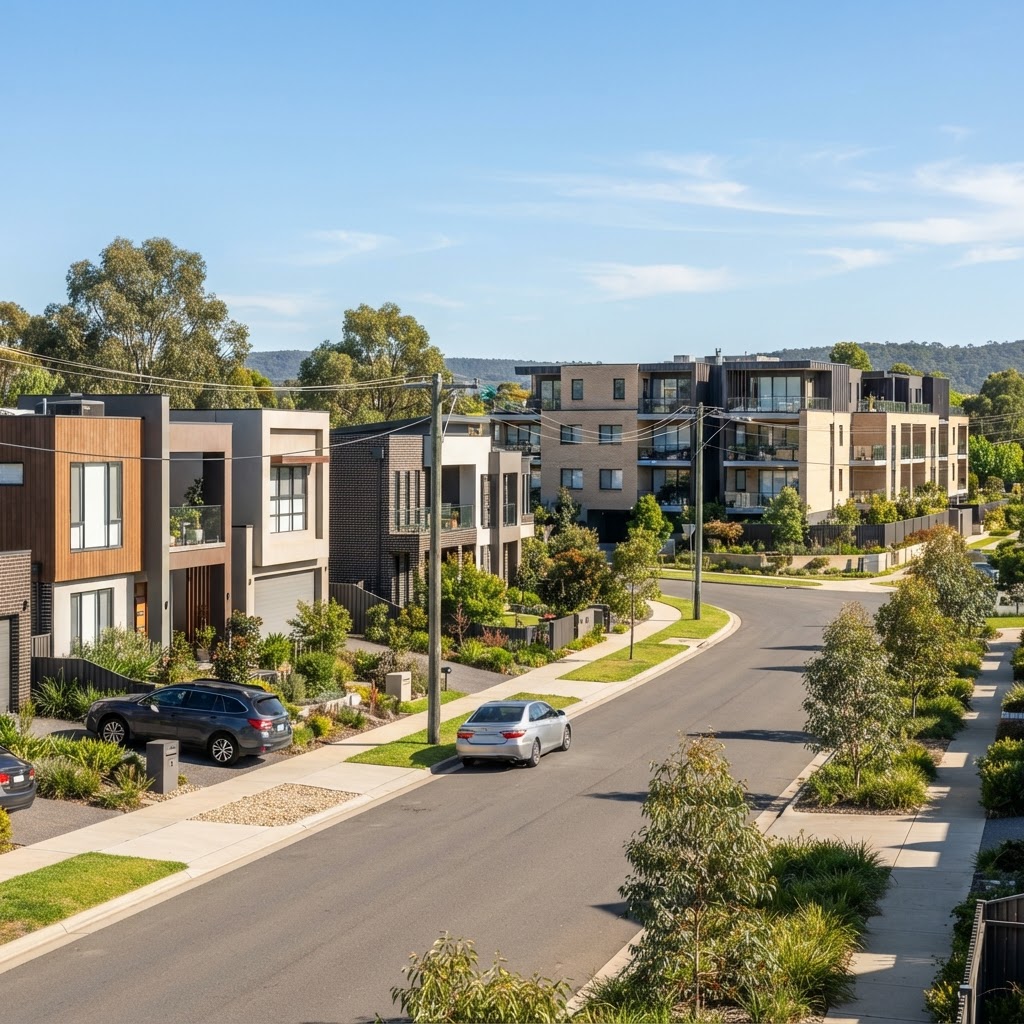
A modest two-bedroom townhouse in Page now rents for $1,850 monthly. Similar properties in emerging suburbs like Harrison and Whitlam command $2,000-$2,200. These aren't luxury precincts; they're ordinary family neighbourhoods where ordinary workers are being priced out.
The rental affordability crisis is reshaping Canberra's social fabric. Young professionals are considering regional alternatives. Parents are delaying family plans. And the city's vaunted middle-class stability-built on public service permanence-is increasingly fiction for those starting out.
Some economists argue the solution lies in densification and new housing releases in growth corridors. Others point to first-home buyer incentives and investment restrictions. Yet with construction costs elevated and land supply constrained, relief appears distant.
For Sarah and thousands like her, the brutal reality is clear: renting indefinitely may not be a choice-it may be a necessity. And in a city built on the promise of security and stability, that's a devastating indictment of where Canberra's property market has travelled.
This article was compiled by AI and screened before publishing. See our editorial standards.
This article is general information only and is not personal financial or investment advice. Consider your own circumstances and seek licensed professional advice before making financial decisions.
Sources Include (But not Limited to)
Source material used in preparing this article is listed below so readers can check the original record.