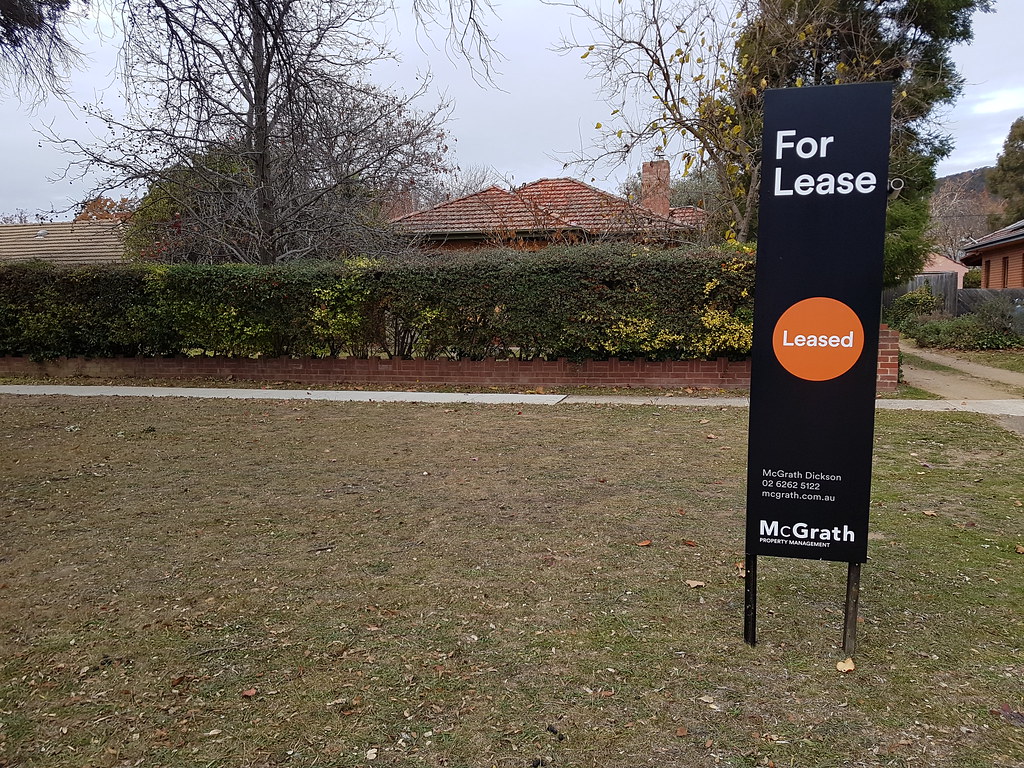
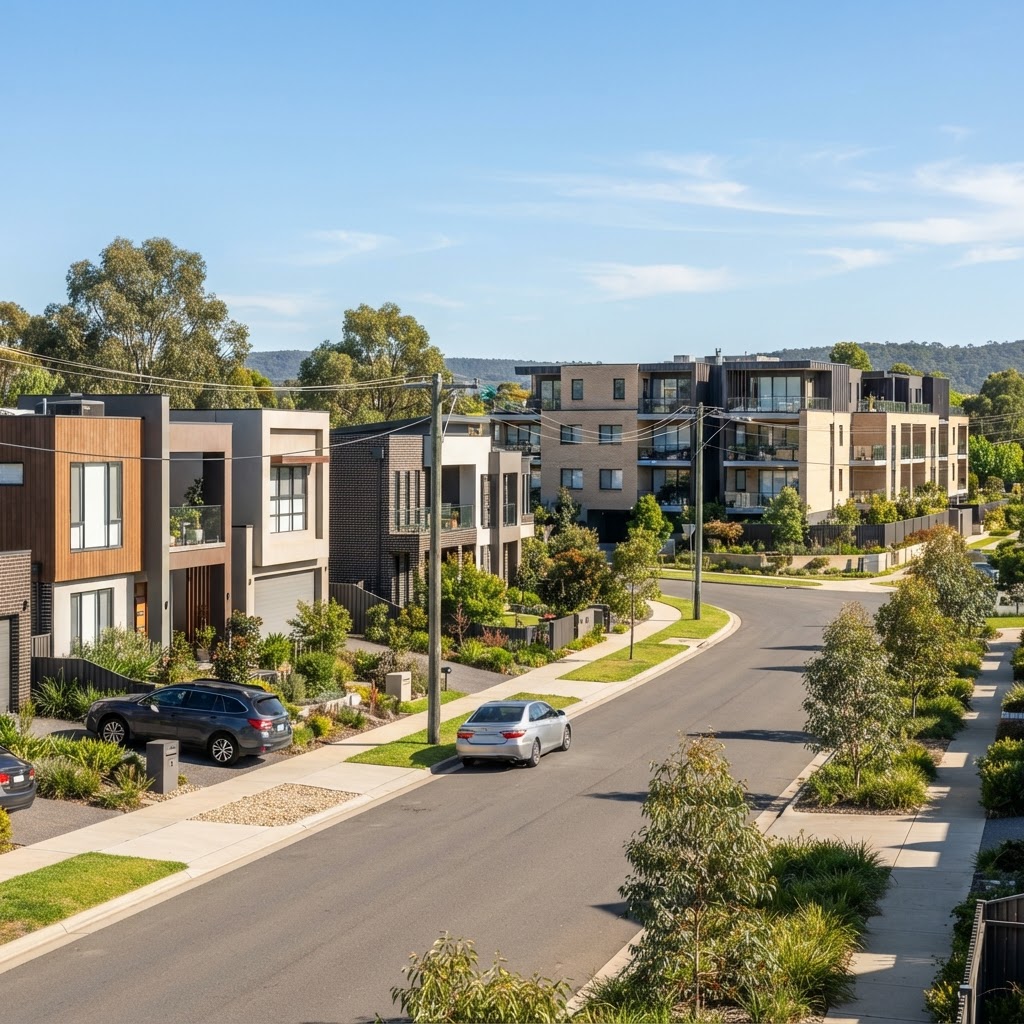
For many Canberra renters, the maths have become brutal. Weekly rental costs in sought-after suburbs like Gungahlin and Belconnen now demand household incomes that rival what's needed to service a mortgage-yet without building any equity. The question facing our city's growing renters is no longer just "can we afford this?" but "should we be paying this much to own nothing?"
The numbers tell a sobering story. With the ACT median house price sitting around $835,000, first-time buyers face a daunting deposit hurdle. A 20 per cent down payment requires $167,000-a figure that takes the average renter earning $80,000 annually roughly five years to save, assuming they can set aside $700 weekly. Meanwhile, renters in Gungahlin's newer developments are paying $480-$550 per week for three-bedroom homes, while comparable properties in Belconnen command $420-$490. Over a decade, that's $250,000+ handed to landlords with nothing to show for it.
The affordability squeeze extends beyond raw dollars. Canberra's tight rental market-characterised by consistently low vacancy rates hovering below three per cent-means renters have little negotiating power. Property managers can be selective, and rent increases outpace wage growth. Recent national data showing six-figure incomes increasingly required for rental approval has ripple effects here too, where public service salaries, while stable, don't universally reach those thresholds.
Yet buying isn't a universal solution either. Interest rates, while moderating, still make servicing an $668,000 mortgage (80 per cent LVR) expensive. Monthly repayments on a $668k loan at 5.5 per cent interest run approximately $3,850-before rates, land tax, and maintenance. For some households, this barely undercuts current rent, but at least builds wealth.
The clearest winners remain those who bought before 2022. Owner-occupiers in suburbs like Weston Creek and Red Hill, who purchased five years ago, have watched values climb 40-50 per cent. They're building equity monthly while renters in adjacent streets burn cash.
Canberra's strong public service buyer base has traditionally supported market stability, but if current renters can't bridge the entry gap, we risk creating a two-tier housing system: established owners accumulating wealth, and a rental class locked out of ownership. That's not just a personal finance problem-it's a city planning one.
The question Canberra renters must honestly ask themselves: Is renting temporary hardship, or permanent resignation?
This article was compiled by AI and screened before publishing. See our editorial standards.
This article is general information only and is not personal financial or investment advice. Consider your own circumstances and seek licensed professional advice before making financial decisions.
Sources Include (But not Limited to)
Source material used in preparing this article is listed below so readers can check the original record.