News
Rare Jane Austen First Edition Leaves Canberra, Sparks Local Debate
As a 210-year-old copy of Emma goes on show interstate, local scholars and book lovers question what it means for cultural institutions in the nation's capital.
3 min read
News
As a 210-year-old copy of Emma goes on show interstate, local scholars and book lovers question what it means for cultural institutions in the nation's capital.
3 min read
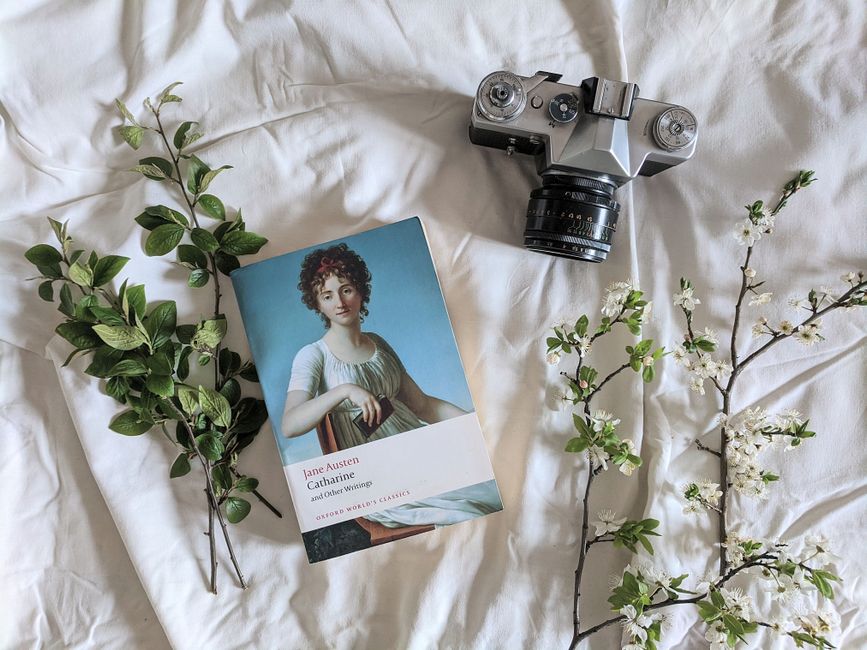
The arrival of a pristine first edition of Jane Austen's Emma in Melbourne this week has reignited conversations among Canberra's academic and cultural communities about the capital's role in preserving literary heritage.
The 1815 volume, one of fewer than 2,000 copies printed during Austen's lifetime, will be displayed at the State Library Victoria until September. The decision to house the exhibition interstate has prompted reflection among Canberrans about their own institutions' capacity to attract and retain significant cultural artifacts.
"There's an aura about it," one local academic noted informally of the historic text. The rarity of such items—particularly in their original form—underscores broader questions about how Australia's smaller capitals compete for cultural investment.
Canberra's cultural sector, anchored by institutions like the National Library of Australia on Parkes Place and the University of Canberra's growing humanities programs, has long grappled with resource allocation. The capital's public service-dominated workforce, while educated and engaged, represents a different demographic from the sprawling metropolitan audiences of Sydney and Melbourne.
Staff at the National Library acknowledged the significance of the Melbourne exhibition but emphasised their own collection strengths. "We hold extraordinary items," a spokesperson noted, pointing to the institution's role in preserving Australian literary heritage and historical documents.
For book collectors and literature enthusiasts across Canberra—from residents in established suburbs like Forrest and Red Hill to younger professionals in growth areas like Gungahlin—the exhibition raises practical questions. Travel costs to Melbourne for a three-month display represent a significant outlay for many households. With housing affordability already challenging for public servants earning median salaries of $85,000–$120,000 annually, discretionary cultural spending often takes a back seat.
Academic staff at the Australian National University's School of Cybernetics and the University of Canberra's humanities faculties have expressed interest in the collection's broader implications for literary scholarship in the region. "Access to primary materials shapes research opportunities," one ANU researcher observed informally.
The exhibition comes as Canberra's cultural infrastructure continues to evolve, with the light rail expansion to Belconnen and Gungahlin potentially opening new spaces for cultural venues in coming years. Meanwhile, local institutions remain focused on building collections that reflect both national significance and regional identity—a balancing act that resonates acutely when rare treasures are housed elsewhere.
The question facing Canberra's cultural leaders: how to ensure the nation's capital remains a destination for literary heritage, not merely a point of departure.
This article was compiled by AI and screened before publishing. See our editorial standards.
News
News
News
News
About this article
Published by The Daily Canberra
Spread the word
Daily brief
Free, in your inbox before 7am. Weekdays.
The Daily Network — local news across Australia