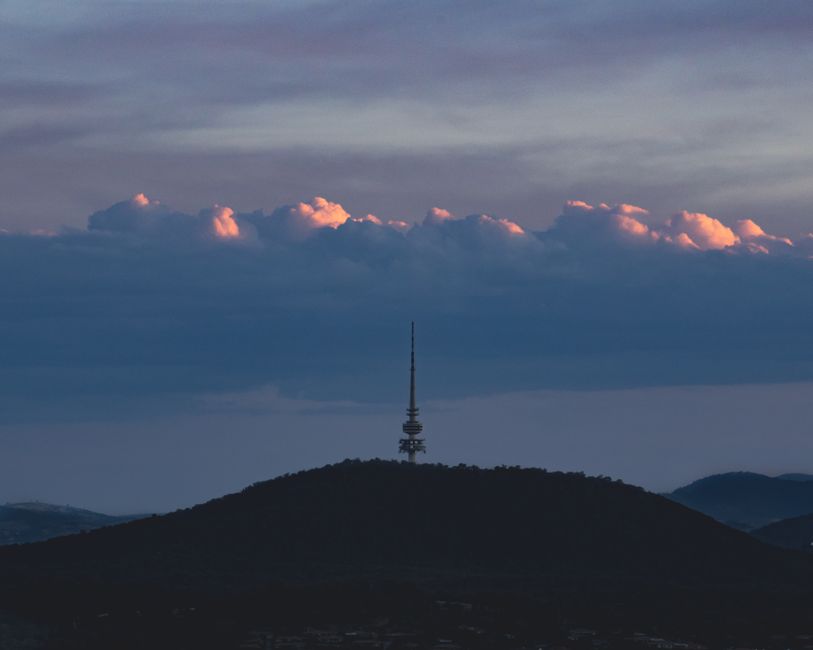
The arrival of Gerwyn Davies' audacious photographic series celebrating sunburnt kitsch and coastal Australiana represents more than a gallery moment for Canberra—it signals a critical juncture in how the ACT positions itself as a creative hub beyond the public service.
Davies' work, characterised by saturated colours and affectionate irreverence toward beach culture ephemera, has generated significant interest among galleries and institutions. With the National Gallery of Australia now in negotiations over exhibition space, cultural leaders face immediate decisions about programming, funding, and how aggressively to market Canberra as a destination for contemporary visual art.
The Australian National University's School of Cybernetics and University of Canberra's creative programs produce talented graduates annually, yet many decamp to Sydney or Melbourne for exhibition opportunities and professional networks. Davies' local success—visibility, institutional interest, market momentum—reverses that pattern, at least temporarily.
Key decisions loom. The National Gallery must determine whether this exhibition becomes a flagship contemporary offering or a peripheral gesture. City Services and economic development authorities need clarity: are they willing to invest in artist residencies, affordable studio precincts in emerging areas like Dickson or Kingston, and marketing campaigns positioning Canberra as culturally adventurous?
The ACT Labor government's cultural strategy, currently focused on major events and tourism infrastructure, remains silent on visual arts ecosystem development. Meanwhile, venues like The Smiths Alternative Space and Gorman House Arts Centre operate with constrained budgets despite community demand.
Davies' work—ironic, joyful, deeply Australian—deserves serious institutional backing. More importantly, his success should prompt uncomfortable questions about whether Canberra genuinely commits to nurturing creative talent or merely celebrates it when external validation arrives.
The next six months will be revealing. If the National Gallery exhibition becomes a genuine cultural investment—with accompanying artist talks, community programs, and long-term support frameworks—Canberra signals it's serious about creative diversity. If it remains a one-off spectacle, the pattern continues: celebrate local talent, watch them leave, rinse, repeat.
Davies' photographs capture a version of Australia that's honest, unashamed, and unapologetically itself. Canberra's cultural establishment faces its own moment of clarity: will it embrace that same authenticity?
This article was compiled by AI and screened before publishing. See our editorial standards.