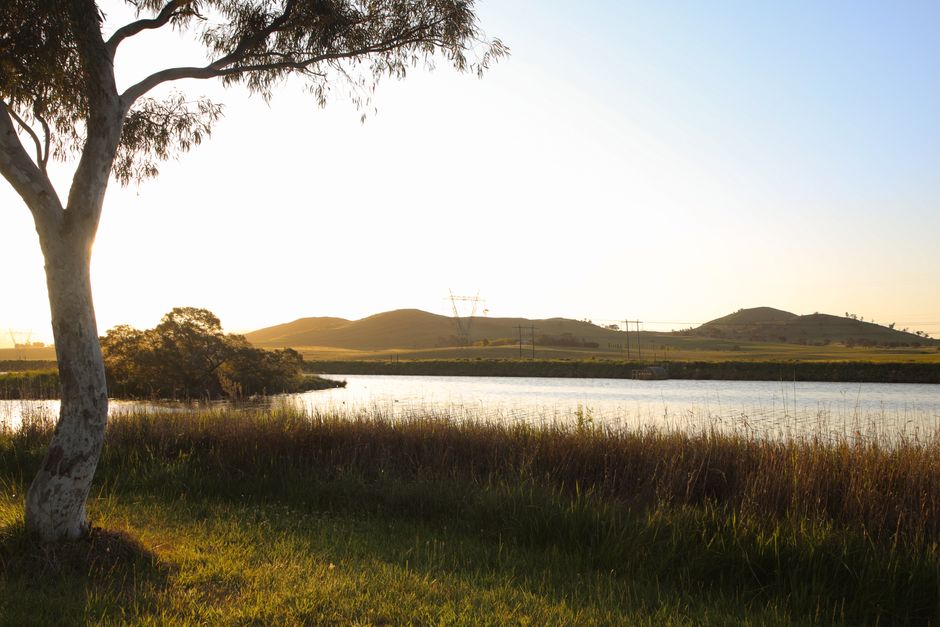
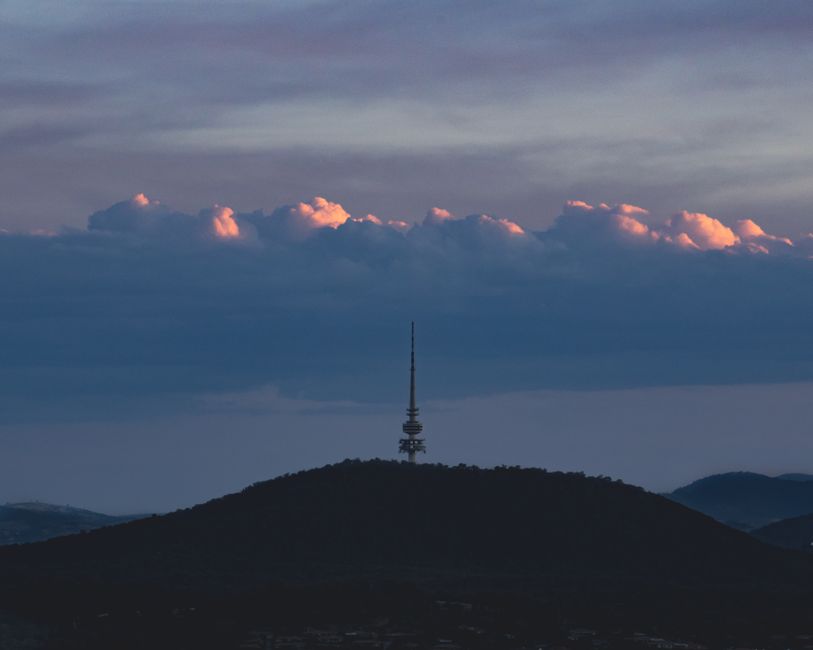
Walk through Harrison on a Saturday morning and you'll see it immediately: construction cranes dotting the skyline, young families queuing at the new café on Ngunnawal Street, and a suburb barely a decade old still finding its identity. But beneath the optimism, a quieter story is unfolding about who gets to belong in Canberra's fastest-growing region.
The Gungahlin district has absorbed nearly 35,000 residents over the past decade, with Harrison and Crace accounting for much of that growth. Property prices have climbed accordingly—a three-bedroom townhouse in Harrison now averages $685,000, pushing out many public servants on mid-level salaries who once saw outer suburbs as affordable entry points. For residents who purchased here five years ago at $480,000, that's wealth creation. For those trying to buy now, it's exclusion.
"Community bonds don't form overnight," says Andrea Chen, coordinator of the Gungahlin Community Council. "When your neighbours are all moving in at the same time, from different parts of the country, there's no established social fabric. People are time-poor, working long hours in the city, and don't have those intergenerational connections that help suburbs cohere."
The tension shows in everyday friction: disputes over development approvals, debates about parking and green space, and concerns from families who moved here for affordability only to watch it vanish. At Crace Town Centre, local business owners report slower foot traffic than expected, suggesting the suburb hasn't yet developed the community gathering culture that makes neighbourhoods livable.
What matters for local residents is stability. The ACT's planning strategy targets 40,000 more people in Gungahlin by 2040. Without intentional investment in community infrastructure—beyond shopping centres—that growth risks creating dormitory suburbs where people sleep but don't belong. Parks, libraries, community halls, and neighbourhood programs aren't luxuries; they're the glue that transforms housing estates into genuine communities.
Public servants on salaries of $85,000–$120,000 represent much of Canberra's workforce. They're being priced into suburbs further out, extending commute times and fragmenting the social networks that make cities work. The Gungahlin boom is ultimately a question about what kind of capital we're building: one where community is affordable, or just housing?
The suburbs being built now will define Canberra for decades. The decisions made this year about libraries, town centres, and neighbourhood connectivity matter more than anyone realises.
This article was compiled by AI and screened before publishing. See our editorial standards.