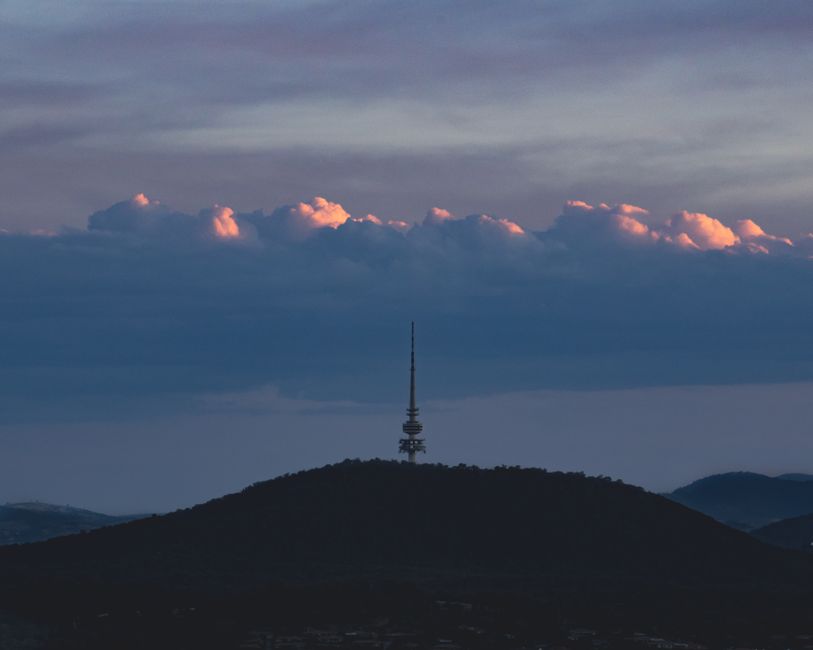
Canberra's commitment to sustainability is ramping up, but the city faces a familiar problem: it's moving slower than international counterparts tackling similar climate challenges. While the ACT government has pledged net-zero emissions by 2045 and renewable energy targets of 100 per cent by 2025, comparable cities globally have already embedded these goals into their urban fabric for years.
Take Copenhagen, which generates 80 per cent of its district heating from renewable sources and has made cycling infrastructure central to urban planning. Melbourne, Australia's closest competitor, has achieved 50 per cent renewable energy generation and integrated sustainability into its CBD renewal. By contrast, Canberra's renewable energy achievements, while impressive regionally, lag in global rankings—though the ACT's actual renewable penetration sits around 60 per cent, supported by solar farms on the city's periphery.
The difference becomes apparent on Canberra's streets. While light rail stage 2 remains contentious in Belconnen and Gungahlin, cities like Stockholm completed their metro-to-suburbs integration decades ago. Yet Canberra's light rail stage 1, operational since 2020, has catalysed genuine behavioural change; daily patronage approaches 6,000 commuters on the Gungahlin line alone.
Housing affordability intersects sharply with sustainability here. Public servants—Canberra's largest workforce—face median house prices exceeding $700,000, pushing many to outer suburbs where car dependency increases carbon footprints. Cities like Vienna, where public housing comprises 60 per cent of the market, have sidestepped this trap through integrated planning.
Canberra does lead in pockets. The ANU and University of Canberra's sustainability research programs rank internationally, with clean energy innovation clusters emerging around the Acton and Bruce campuses. The city's tree canopy target of 30 per cent coverage by 2045, driven by programs centred on Haig Park and suburban replanting initiatives, aligns with global best practice.
Yet systemic challenges remain. The federal government's reliance on the ACT for employment, combined with housing pressures, creates planning constraints that Copenhagen and Melbourne solved through regional coordination decades ago. Canberra's dispersed geography—sprawling from Gungahlin to Tuggeranong—also differs fundamentally from denser European models.
The real question isn't whether Canberra can match global leaders, but whether its unique federal status and growth pressures allow it to. The next two years will prove critical: light rail stage 2 decisions, public servant housing policy, and renewable energy infrastructure investment will signal whether Canberra is genuinely committed to closing the gap.
This article was compiled by AI and screened before publishing. See our editorial standards.