News
Canberra Housing Data Exposes Planning Crisis, Affordability Gaps Widen
New analysis of median prices, density targets and public servant affordability gaps shows the hard statistics behind the ACT's urban planning crossroads.
3 min read
News
New analysis of median prices, density targets and public servant affordability gaps shows the hard statistics behind the ACT's urban planning crossroads.
3 min read
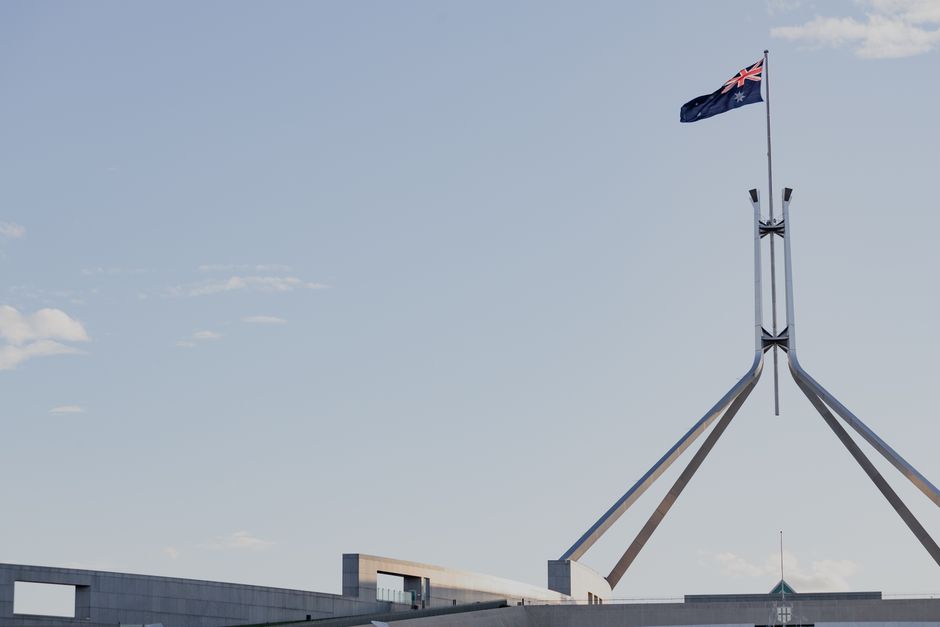
Canberra's housing affordability crisis has become a numbers game—and the data tells a stark story about planning decisions made a decade ago and their consequences today.
The median house price in established suburbs like Forrest and Red Hill now exceeds $1.2 million, according to recent property data, while median unit prices in inner-south locations hover around $680,000. For a typical APS3-level public servant earning roughly $75,000 annually, these figures represent an 16-to-18-year salary requirement—well above the historical benchmark of 8-10 years.
The ACT Government's own urban planning targets reveal the tension. Current population projections suggest Canberra will grow from approximately 460,000 residents today to 640,000 by 2040—a 39 per cent increase. Yet housing supply has struggled to keep pace. Between 2016 and 2024, Canberra added roughly 18,500 dwellings across all suburbs, averaging just 2,300 per year. To meet 2040 targets, demographers estimate we need 3,100-3,500 new dwellings annually through 2035.
The growth corridors tell a revealing story. Gungahlin suburbs—Throsby, Harrison, and Franklin—have absorbed significant development, with median prices ranging from $580,000 to $720,000. Yet these areas remain 20-25 kilometres from parliamentary triangle employment hubs, creating transport dependency. Light rail stage 2, proposed to extend from Civic to Woden and eventually Gungahlin, faces $2.8 billion price tags in current estimates—a burden that reflects how sprawl compounds infrastructure costs.
Belconnen's infill potential is equally revealing. The 2024 ACT spatial plan targets 30 per cent of new housing in established areas, yet current approvals suggest actual infill represents only 18-22 per cent of new supply. Density around town centres—Belconnen, Woden, Dickson—remains constrained by heritage overlays and low-rise zoning rules established in the 1970s and 1980s.
University researchers at ANU's School of Cybernetics have modelled scenarios: loosening density controls in inner suburbs could theoretically deliver 2,800-3,200 additional dwellings over a decade at a 60-70 per cent cost reduction versus outer greenfield development. Yet political resistance persists.
The public service workforce—approximately 85,000 strong—bears the brunt. Data from the APS Staff Survey suggests housing stress now ranks among top concerns. One in three respondents reported difficulty affording rent or mortgage payments, compared to one in five nationally.
As the ACT Government weighs light rail expansion, infill targets, and land release decisions this term, the numbers suggest time is running short. Without accelerated supply decisions, Canberra risks pricing out the workforce that sustains it.
This article was compiled by AI and screened before publishing. See our editorial standards.
About this article
Published by The Daily Canberra
Spread the word
Daily brief
Free, in your inbox before 7am. Weekdays.
The Daily Network — local news across Australia