News
By the Numbers: What Canberra's Growth Data Reveals About the City's Political Future
Fresh ACT government figures on housing, transport and public service employment paint a complex picture of a capital city at an inflection point.
3 min read
News
Fresh ACT government figures on housing, transport and public service employment paint a complex picture of a capital city at an inflection point.
3 min read
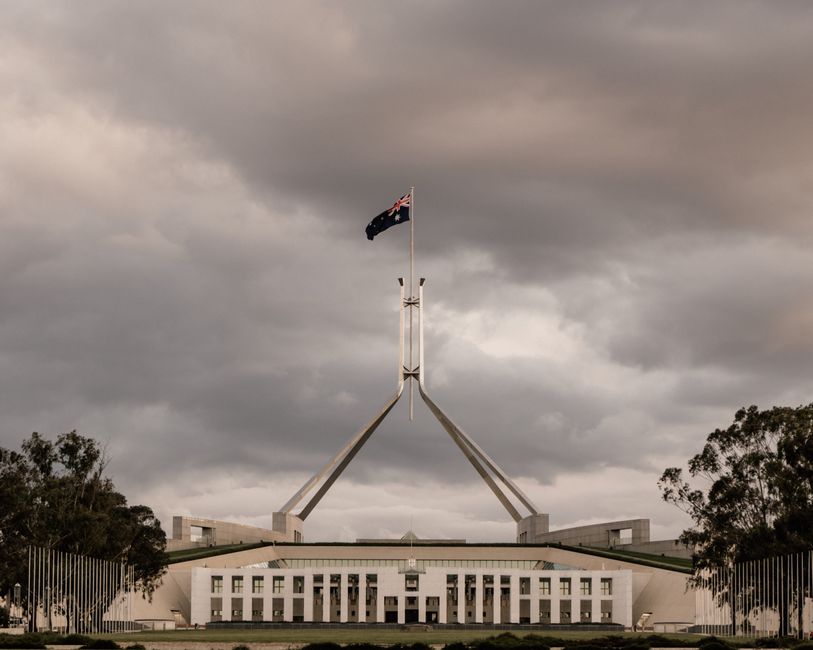
Canberra's political landscape is increasingly shaped by raw demographic data, and the latest figures released by the ACT government paint a revealing portrait of a city wrestling with competing priorities.
Population growth remains the headline story. The ACT is projected to reach 500,000 residents by 2040—an increase of roughly 150,000 people from today—with the outer northern suburbs of Gungahlin and Belconnen absorbing the bulk of that expansion. Planning documents show Gungahlin's population could grow by 35 per cent over the next 15 years, placing enormous pressure on existing infrastructure. Yet here's where the political tension emerges: while these suburbs expand rapidly, the light rail stage 2 debate hinges on whether investment will follow growth patterns or shape them.
Housing affordability data underpins much of the government's strategic thinking. Current median house prices in Canberra sit around $795,000, up from $620,000 five years ago. For public servants—who comprise roughly 24 per cent of the ACT workforce—this represents a genuine squeeze. The average public sector salary in Canberra hovers near $85,000, meaning the median house price now represents 9.4 times annual income, a ratio that hasn't been this high in a decade. This statistical reality is reshaping electoral politics, particularly in newer suburbs where young families dominate.
Employment figures also tell a story. The ACT public service peaked at approximately 37,500 employees in 2019, dipped during the pandemic, and now sits at around 36,200. While federal Commonwealth employment has remained relatively stable, the modest decline in state-level public sector jobs has political consequences. Discussions about efficiency dividends and workforce restructuring directly affect voting blocs across suburbs like Florey, Kaleen and Macquarie.
Transport data proves equally instructive. The light rail stage 1, running from Gungahlin to the City, now carries approximately 8,200 passengers on an average weekday—lower than initial projections of 12,000. These figures fundamentally shape the debate around stage 2 expansion to Woden. Advocates point to underutilisation as evidence of inadequate network investment; critics cite it as a cautionary tale about cost-benefit analysis.
Research output from ANU and UC continues to position Canberra as an innovation hub, with combined research income exceeding $500 million annually. Yet translating this academic strength into local economic diversification remains a political challenge, with figures showing private sector growth still lagging the national average.
These numbers aren't merely statistical—they're the scaffolding upon which Canberra's political future is being constructed.
This article was compiled by AI and screened before publishing. See our editorial standards.
About this article
Published by The Daily Canberra
Spread the word
Daily brief
Free, in your inbox before 7am. Weekdays.
The Daily Network — local news across Australia