News
Canberra's Housing Crisis: New Data Reveals Affordability Crisis for Families
Fresh ACT government figures reveal the scale of affordability pressures facing public servants and young families across the nation's capital.
3 min read
News
Fresh ACT government figures reveal the scale of affordability pressures facing public servants and young families across the nation's capital.
3 min read
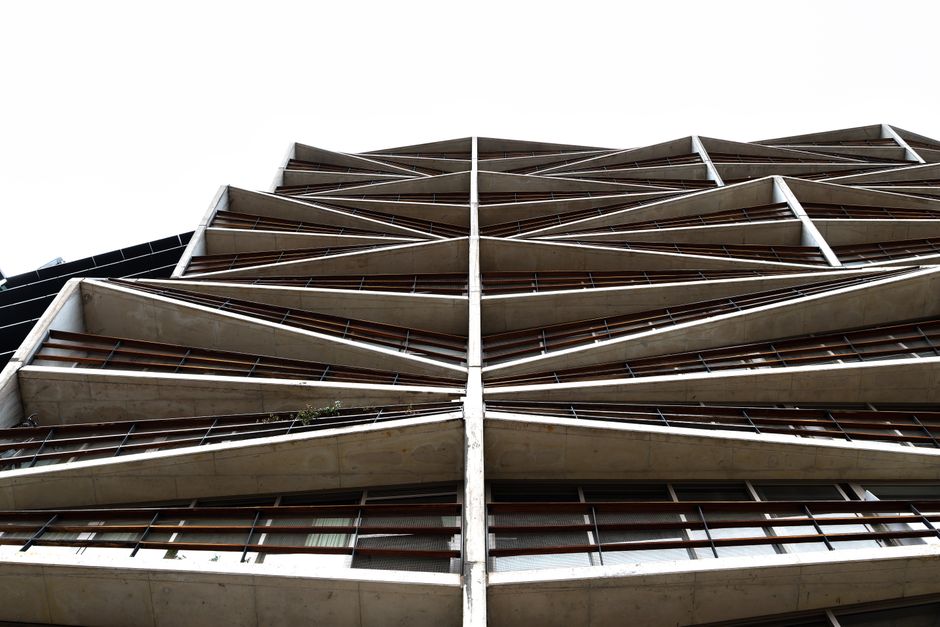
Canberra's housing affordability crisis is no longer anecdotal. New data released by the ACT Planning and Land Authority paints a sobering picture: median house prices in established suburbs like Forrest and Red Hill now exceed $1.2 million, while median unit prices in Belconnen have climbed to $680,000 over the past eighteen months alone.
For a city built on the public service, these numbers represent a fundamental rupture. Australian Bureau of Statistics data shows the median income for ACT public servants sits around $95,000 annually. Using standard lending ratios, this caps borrowing capacity at roughly $475,000—a figure that leaves most established neighbourhoods entirely out of reach.
The pressure is creating a geographic squeeze. Growth suburbs like Gungahlin and outlying areas of Canberra's north now absorb the majority of first-time buyers. Data from Real Estate Institute ACT shows median prices in newer estates around Macgregor and Franklin sit between $520,000 and $620,000, yet even these suburbs are climbing at approximately 8 per cent annually.
The Light Rail Stage 2 debate gains new context when viewed through this lens. Transport connectivity to outer suburbs could theoretically ease commute burdens, but infrastructure alone cannot address supply constraints. ACT government planning documents reveal a shortfall of approximately 4,200 dwellings across the five-year planning horizon, even as population growth continues at 1.8 per cent annually.
Rental markets offer no respite. Data compiled by the Housing Industry Association shows median weekly rents in inner suburbs now exceed $600, consuming roughly 35 per cent of household income for many public service families—well above the 30 per cent sustainability threshold.
The ACT Labor government has acknowledged the challenge, allocating $74 million in its recent budget toward affordable housing initiatives and land release strategies. Yet modelling suggests the housing deficit requires sustained delivery of approximately 900 new dwellings annually. Current construction completion rates hover around 620 per year.
University researchers at ANU's School of Cybernetics have begun mapping these pressures against workplace locations, revealing significant commute costs for workers priced out of central suburbs. For public servants clustered around Kingston, Parkes, and the city centre, displacement to Gungahlin or beyond adds transport costs averaging $3,000 annually.
As Canberra enters its second century, the numbers suggest a city at an inflection point. Without sustained policy intervention matching the scale of the problem, affordability will reshape not just where Canberrans live, but who can afford to call the capital home.
This article was compiled by AI and screened before publishing. See our editorial standards.
About this article
Published by The Daily Canberra
Spread the word
Daily brief
Free, in your inbox before 7am. Weekdays.
The Daily Network — local news across Australia