News
Canberra migration surge: population growth planning
Government and settlement experts warn of urgent planning needs as Canberra's overseas-born population reaches 38%, with migration services stretched across the ACT.
2 min read
News
Government and settlement experts warn of urgent planning needs as Canberra's overseas-born population reaches 38%, with migration services stretched across the ACT.
2 min read
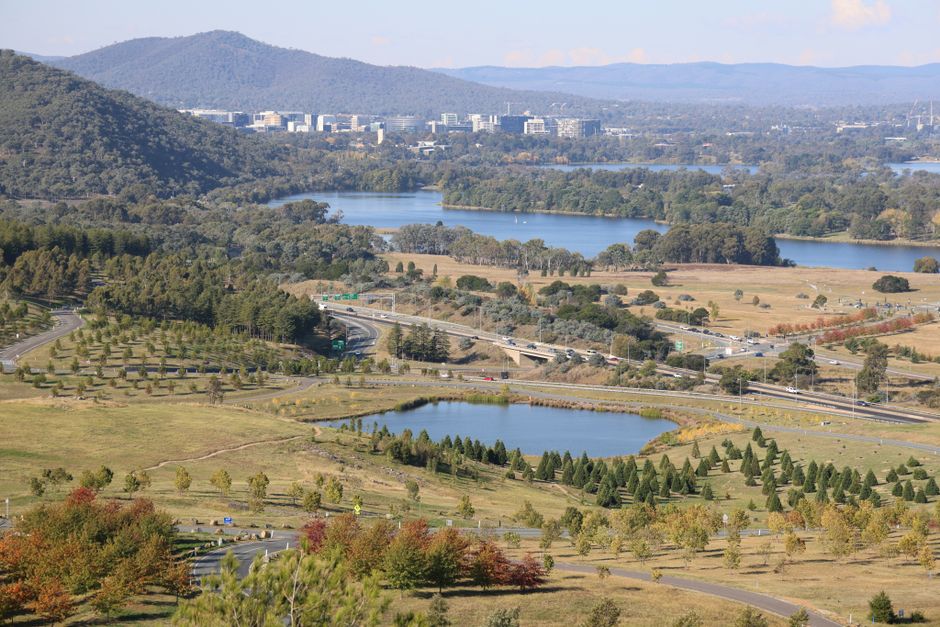
Canberra's rapid transformation into a multicultural hub is prompting fresh warnings from government officials and settlement experts about the need for coordinated planning, as migration patterns shift the demographics of Australia's capital.
The Australian National University's Centre for Social Research and Methods released analysis this month showing that overseas-born residents now comprise 38 per cent of Canberra's population, with significant communities from India, China, the United Kingdom and the Philippines establishing roots across suburbs like Belconnen, Gungahlin and Inner South. The Migrant Resource Centre ACT, based on Northbourne Avenue in Dickson, has reported a 44 per cent increase in settlement service requests over the past two years.
"What we're seeing is not simply temporary skilled migration," said a spokesperson for Settlement Services International, which operates programs across the ACT. "Many are choosing to establish permanent lives here, which brings both opportunities and genuine pressure points around housing, employment recognition and community integration."
The ACT Government's Chief Minister's office acknowledged in recent parliamentary correspondence that housing affordability remains the most acute concern. Median rent for a two-bedroom apartment in established suburbs like Dickson and O'Connor now exceeds $2,100 monthly, while purchase prices across Gungahlin continue climbing above $800,000—stretching budgets for public service workers and newly arrived professionals alike.
UC's Institute for Governance and Policy Analysis has flagged employment credential recognition as another critical gap. "International qualifications, particularly in nursing, accounting and engineering, face lengthy assessment processes," the institute noted in a recent brief. "This delays workforce participation and underutilises skills the ACT economy needs."
Officials at the Department of Home Affairs' Canberra office indicated that skilled migration pathways remain central to the territory's growth strategy, particularly as the federal public service expands. However, they emphasised that this trajectory requires coordinated investment in English language programs, childcare facilities and workplace mentoring networks.
Community leaders at the Multicultural Community Services on Wentworth Avenue say culturally appropriate mental health and settlement support services remain patchy. "We see families arriving with significant qualifications but limited networks," a service coordinator explained. "The gap between expectation and reality can be profound."
ACT Labor's recent budget included $4.2 million for settlement services across three years—a modest increase that officials say falls short of demand as migration continues reshaping suburbs and workplaces across the capital.
This article was compiled by AI and screened before publishing. See our editorial standards.
About this article
Published by The Daily Canberra
Spread the word
Daily brief
Free, in your inbox before 7am. Weekdays.
The Daily Network — local news across Australia