AI may assist with research, summarising and drafting. Where public source links underpin the article, they are shown below. Sensitive material is held for human review, and people oversee the standards and corrections process. The Daily Canberra covers Canberra news. It is provided for general information only and is not professional, legal, financial, or medical advice. Read our editorial standards →
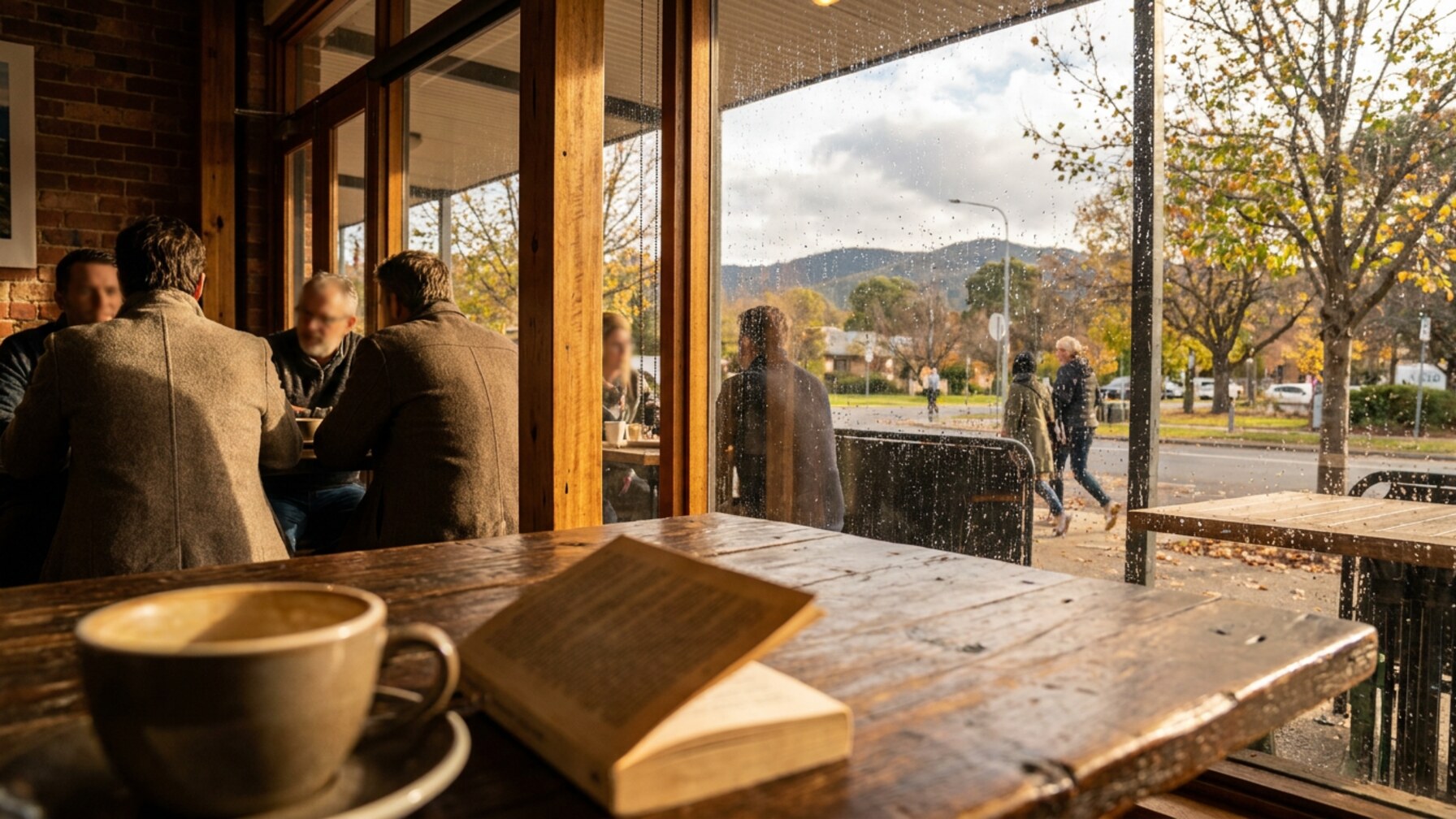
AI-generated illustration
Canberra’s hospitality sector has entered a period of volatile pricing this July, with menus across the inner north and south reporting an average 4.2% increase in baseline dish costs since the start of the 2026 financial year. Data published in the July 2026 ACT Economic Indicators report suggests that the combination of rising utility overheads and seasonal supply chain constraints is forcing venues to shift away from traditional fixed-price structures toward dynamic, market-driven pricing models.
The shifting landscape of table access
Securing a seat at premium venues now requires more than just a reservation; it requires navigating a complex web of booking deposits and restricted windows. At the popular Raku on Bunda Street in Civic, the restaurant has formalized its credit card guarantee policy for all Friday and Saturday night sittings. Failure to provide 24 hours' notice for cancellations now incurs a $50-per-head penalty, a move the venue indicates is necessary to manage tight inventory. Meanwhile, in NewActon, Monster Kitchen and Bar continues to operate on a tiered booking system that prioritizes hotel guests and loyalty program members during the peak 7:00 p.m. dinner rush.
For those looking for a more accessible entry point, the landscape is shifting toward communal seating and 'walk-in only' sections. Establishments such as Tipsy Bull in Braddon have expanded their outdoor lounge areas, which operate on a first-come-first-served basis. This allows diners to bypass the often weeks-long booking lead times that currently plague the city's high-end dining precinct. However, these spaces are subject to weather-dependent closures, with local heating ordinances requiring businesses to adhere to strict energy consumption caps during the current winter cold snap.
Budgeting for the season
The cost of a standard three-course dinner for two, including a mid-range bottle of wine from the Canberra District viticultural region, now averages approximately $215 across the Parliamentary Triangle. This figure marks a notable shift from the $190 average observed during the same period in 2025. Financial advisors often suggest utilizing the 'ACT Smart' business energy portal to identify venues that have successfully optimized their power usage, as these businesses have shown a greater propensity to absorb rising food costs rather than passing them directly to the consumer. Before heading out, residents are encouraged to cross-reference current menu prices on the official websites of the Australian Hotels Association ACT Branch, which updates its local economic bulletins every Tuesday.
As the winter season progresses, keep a close eye on individual venue social media feeds for 'off-peak' dining incentives. Many restaurants in the Kingston Foreshore area have recently introduced mid-week 'early bird' specials that offer a 15% discount on food bills if orders are placed before 6:00 p.m. Tuesday through Thursday. To avoid disappointment, check the Canberra Times weekly dining guide on Thursday mornings to confirm current hours of operation and booking status, as many smaller, independent operators are adjusting their shifts in response to local staffing shortages and the fluctuating cost of wholesale energy.
Covering lifestyle in Canberra. This article was generated by AI, under human oversight and our editorial standards. Sensitive material is held for human review before publication. See our editorial standards.
Spread the word
Share
Daily brief
Enjoyed this? Wake up to Canberra news every morning.