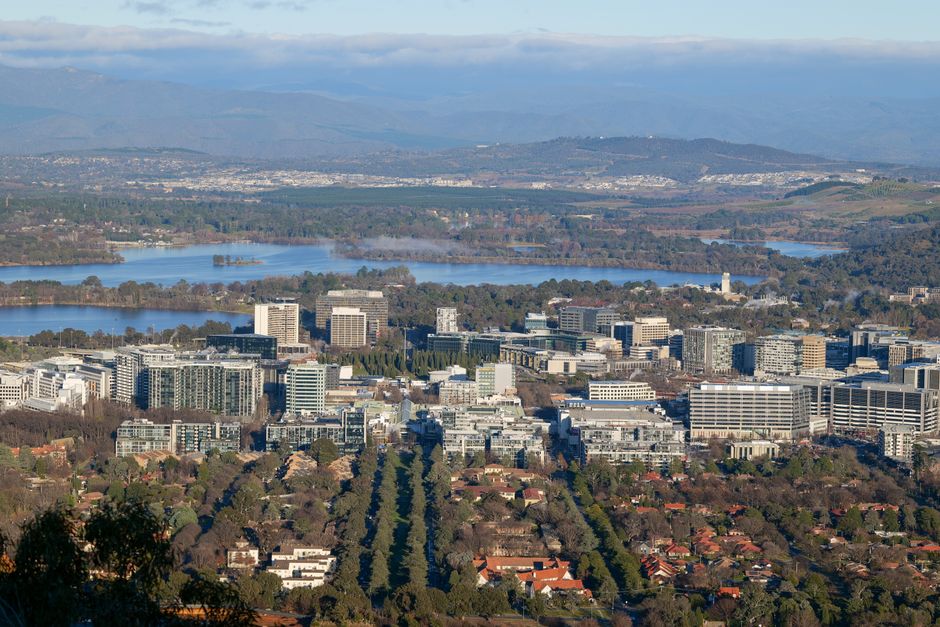
Walk through Dickson on a Wednesday evening and you'll notice something absent from London's Soho, Sydney's Inner West, and most global neighbourhoods: space. The corner grocers on Woolley Street sit comfortably beside independent cafés, without the aggressive density that characterises urban villages elsewhere. This isn't accident—it's the fingerprint of Walter Burley Griffin's 1913 master plan, which prioritised livability over maximum profit extraction.
That deliberate restraint remains Canberra's most underrated competitive advantage. While Melbourne grapples with $800,000 median house prices and Barcelona wrestles with overtourism, Canberra's inner suburbs—Forrest, Kingston, Yarralumla—maintain a rare equilibrium. A three-bedroom home in inner-south Canberra averages $650,000, substantially lower than comparable properties in other Australian capitals, yet the neighbourhood quality hasn't been sacrificed to achieve it.
The defining difference lies in Griffin's insistence on separating residential from commercial precincts. Civic remains the business heart; Manuka hosts boutique retail; residential suburbs actually feel residential. Compare this to gentrified London neighbourhoods where flat prices have decoupled entirely from local wages, or Singapore's vertical stacking that prioritises density over community gardens. Canberra's Town Centres—Tuggeranong, Belconnen, Gungahlin—function as genuine neighbourhood hubs rather than mere shopping destinations, with libraries, community halls, and markets woven into the fabric.
This separation bred something increasingly rare globally: actual neighbourhood identity. Braddon has become synonymous with independent hospitality—its laneway culture along Lonsdale Street rivals Melbourne's hidden bars, but without the eye-watering rent inflation that's hollowed out creative communities elsewhere. Kingston's transition from post-industrial to cultural precinct happened organically, through community investment rather than corporate redevelopment.
Climate resilience adds another layer of difference. Canberra's positioning in the ACT interior, combined with Griffin's green corridor design—the ongoing restoration of the Molonglo River system demonstrates this commitment—positions the city ahead of coastal rivals increasingly threatened by rising sea levels and urban heat. Global planners visiting Canberra often note the sheer proportion of public land: nearly 70 percent of the ACT remains green space or nature reserves.
The social fabric proves equally distinctive. Canberra's newer suburbs—Gungahlin, Harrison—have been planned with genuine mixed-income housing integration, avoiding the economic segregation that plagues most world cities. Schools, parks, and community services arrive simultaneously with residents, rather than years after.
For a city of 450,000, Canberra occupies a peculiar position: large enough to sustain cultural depth, small enough to preserve livability. That balance—increasingly unavailable in global cities straining under pressure to densify and monetise—is the blueprint the world is finally paying attention to.
This article was compiled by AI and screened before publishing. See our editorial standards.