Theatre Venues Canberra: How Fyshwick Became a Cultural Hub
Discover how Canberra's theatre scene transformed from warehouse conversions to sold-out shows. Meet the independent theatre groups and artists building the city's performing arts renaissance.
AI may assist with research, summarising and drafting. Where public source links underpin the article, they are shown below. Sensitive material is held for human review, and people oversee the standards and corrections process. The Daily Canberra covers Canberra news. It is provided for general information only and is not professional, legal, financial, or medical advice. Read our editorial standards →
Walk down Childers Street in Fyshwick on any given Thursday night, and you'll hear it before you see it: laughter spilling from converted warehouses, the distant thrum of a bass line, voices hitting high notes through brick walls. What looks like an industrial backwater has become Canberra's unlikely cultural powerhouse-a transformation that didn't happen by accident, but through the stubborn determination of a small group of artists who refused to let their city remain a cultural afterthought.
The story of Canberra's film and theatre scene is, at its heart, a story about people who believed the capital deserved better. When independent theatre group Belconnen Community Theatre began in the early 2020s, the landscape was thin: a handful of venues, limited local productions, and artists routinely decamping to Sydney or Melbourne for serious work. Today, the city supports dozens of theatre companies, three dedicated independent cinemas, and a performance calendar that would rival cities twice its size.
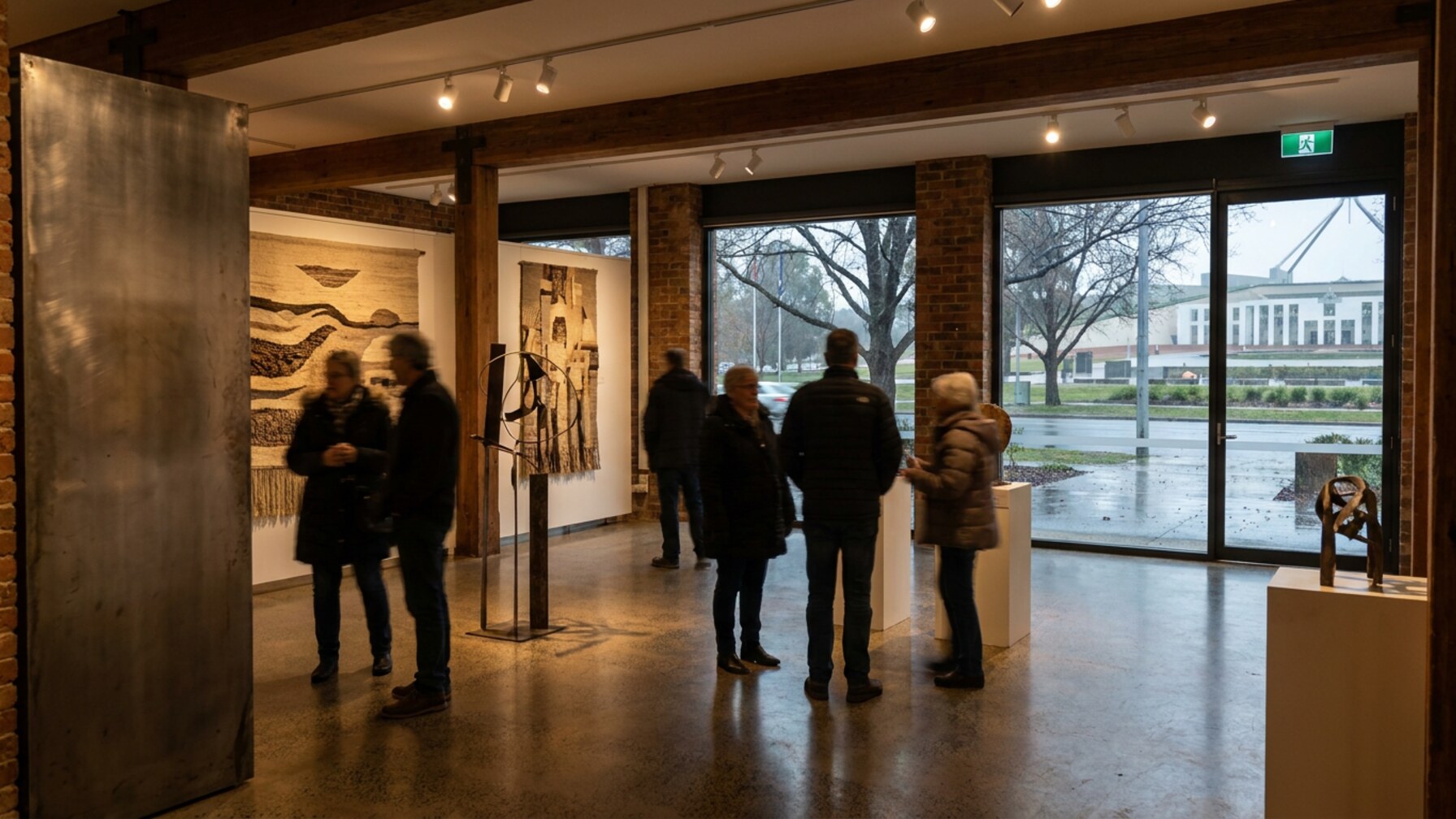
The catalyst came from grassroots momentum. Local artists, frustrated by the lack of affordable rehearsal and performance spaces, began leasing derelict warehouses. The first experimental theatre spaces emerged in Fyshwick around 2023, transforming industrial zones into intimate venues with 80-150-seat capacities. These weren't polished theatres-exposed brick, temperamental heating, sound systems held together with hope-but they were theirs, and they were affordable.
That scrappiness became Canberra's signature. Unlike established theatre districts in larger cities, Canberra's scene was built on collaboration rather than competition. Companies shared equipment, cross-promoted shows, and mentored emerging directors. The Canberra Theatre Centre, the city's flagship venue in Civic, shifted its programming to feature more local work alongside touring productions, recognising that homegrown talent was the real draw.
By 2025, the numbers told the story. Independent theatre companies tripled, with average ticket prices hovering around $25-35-significantly lower than comparable venues in eastern capitals. Local film festivals like the Canberra International Film Festival expanded dramatically, attracting industry figures and filmmakers who stayed because they found a community, not just a screening venue.
Today's thriving scene-with its network of independent cinemas, theatre collectives, and performance spaces stretching from Civic to Fyshwick-exists because a generation of artists decided their city deserved a cultural life of its own. They didn't wait for government grants or corporate backing. They simply began, and others followed.
This article was compiled by AI and screened before publishing. See our editorial standards.
Sources Include (But not Limited to)
Source material used in preparing this article is listed below so readers can check the original record.
Covering culture in Canberra. This article was generated by AI from the linked sources, under human oversight and our editorial standards. Sensitive material is held for human review before publication. See our editorial standards.
Spread the word
Share
Daily brief
Enjoyed this? Wake up to Canberra news every morning.