Culture
Canberra's Historical Sites Spark Renewed Local Interest in City Origins
Historical records and preserved sites continue to shape conversations about the city's origins.
2 min read
Updated 4 d ago
Culture
Historical records and preserved sites continue to shape conversations about the city's origins.
2 min read
Updated 4 d ago
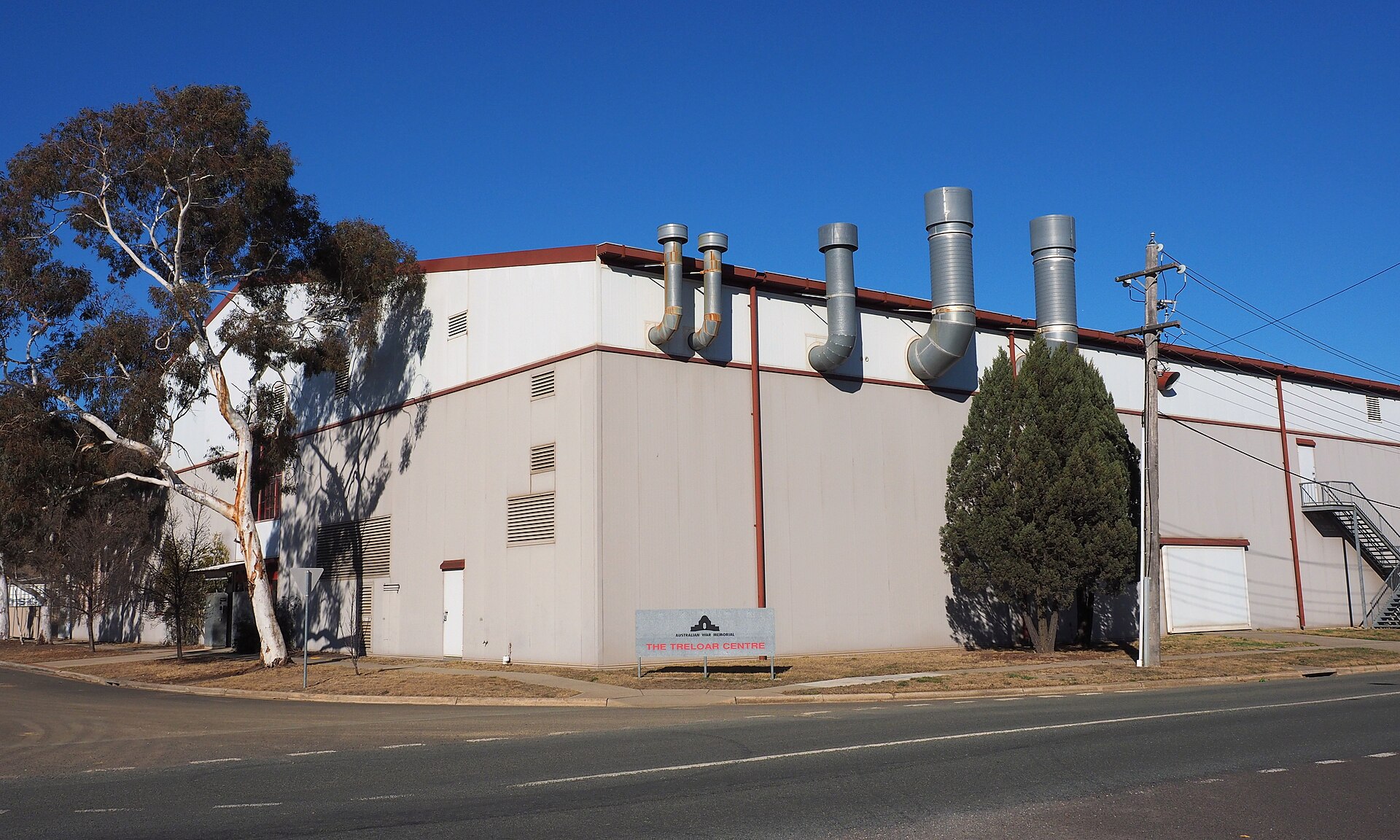
The name Canberra, an anglicised version of Aboriginal words Kamberra or Ngambri meaning meeting place, was officially announced by Lady Denman on 12 March 1913.
Residents reference these origins when discussing how the region developed from early European contact into a planned capital. The facts provide a shared reference point for understanding land use and identity without relying on newer claims.
The Canberra & District Historical Society, opened in 1953, maintains a volunteer-run Resource Centre in Curtin Shopping Centre that holds maps, photographs and journals. Nearby, Woolshed Creek contains 420-million-year-old Silurian fossils while Namadgi National Park shows 20,000-year-old evidence of Indigenous habitation. Acton marks the site of the first European settlement established by Joshua John Moore as a sheep station in 1823, which he called Canbery.
Explorers Charles Throsby Smith, Joseph Wild and James Vaughan reached the area on 7 December 1820. These dated milestones appear repeatedly in local heritage materials and give concrete anchors for discussions about sequence and continuity.
The Resource Centre remains accessible for anyone seeking primary materials on these periods. People can review the maps and journals on site to trace connections between the 1820 discovery, the 1823 station and the 1913 naming. This direct access supports ongoing interest without requiring new announcements or events.
Culture
Culture

Culture

Culture

Culture
Culture
About this article
Published by The Daily Canberra
Spread the word
Daily brief
Free, in your inbox before 7am. Weekdays.
The Daily Network — local news across Australia