Finance
Retiring in Canberra: What You Need to Know
Superannuation, aged care, and lifestyle — the full guide for retirees considering the capital.
2 min read
Updated 50 min ago
Finance
Superannuation, aged care, and lifestyle — the full guide for retirees considering the capital.
2 min read
Updated 50 min ago
Canberra is an underrated retirement destination that consistently surprises people who have absorbed the impression of a cold, quiet government city. The reality for retirees is a compact, walkable capital with world-class cultural institutions, outstanding healthcare infrastructure, consistently the lowest unemployment of any Australian city (meaning adult children remain in proximity), and the natural amenity of the Namadgi National Park and the Snowy Mountains within two hours.
Healthcare — the Canberra Hospital and the North Canberra Hospital (Calvary) provide tertiary-level healthcare that most regional cities cannot approach, with specialist medical services in oncology, cardiology, orthopaedics, and neurology directly available in the ACT rather than requiring referral to Sydney or Melbourne. The University of Canberra Hospital adds teaching hospital capacity. GP availability, despite periodic shortages, is generally better than most regional centres.
Aged care — Canberra has a well-developed residential aged care sector with facilities across most suburbs. The ACT government's community care programmes and the NDIS (for eligible retirees with disability) provide in-home support that allows delayed entry to residential care for many residents.
Cost considerations — Canberra's housing costs are above the national average, which affects downsizing calculus. A sale of a large family home in an established Canberra suburb (Griffith, Curtin, Cook) typically generates substantial capital that funds comfortable retirement. Pensioners receive the ACT Seniors Card, providing discounts on council rates, vehicle registration, and public transport.
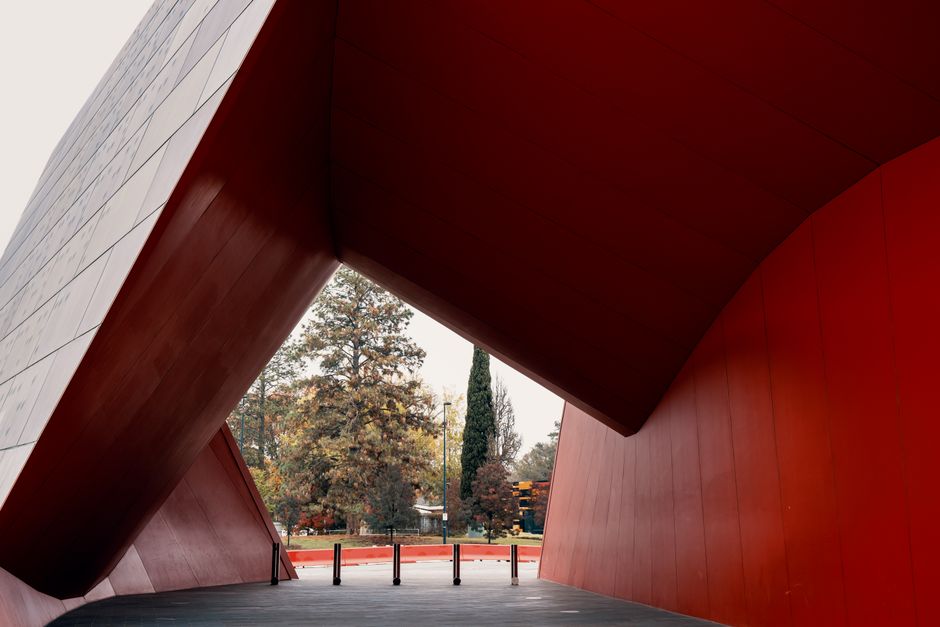
Activities and community — the National Gallery, the National Museum, the War Memorial, and the National Portrait Gallery provide free or low-cost cultural engagement. The University of the Third Age (U3A) Canberra operates extensive continuing education programmes. The walking trail networks, Tuggeranong Homestead, and the Murrumbidgee corridor provide outdoor activity in the cooler months.
Climate consideration — Canberra's cold winters (regularly below zero overnight in June-August) are the primary lifestyle adjustment for retirees relocating from coastal or subtropical cities. Well-insulated housing with reverse-cycle heating is essential.
This article was compiled by AI and screened before publishing. See our editorial standards.
About this article
Published by The Daily Canberra
Spread the word
Daily brief
Free, in your inbox before 7am. Weekdays.
The Daily Network — local news across Australia