The Daily Canberra

All of Canberra, every day

Finance

Canberra Cost of Living 2026: Rent, Food & Transport

See what you'll actually pay for essentials in Australia's highest-income capital city and how Canberra compares.

Share

By Canberra Daily · Published 3 July 2026 at 9:37 pm

2 min read

Updated 3 h ago· 4 July 2026 at 3:08 am

How we reported this

This article was generated by AI from the linked public sources. The Daily Canberra is independently owned and covers Canberra news free from advertiser or sponsor influence. Read our editorial standards →

Canberra Cost of Living 2026: Rent, Food & Transport
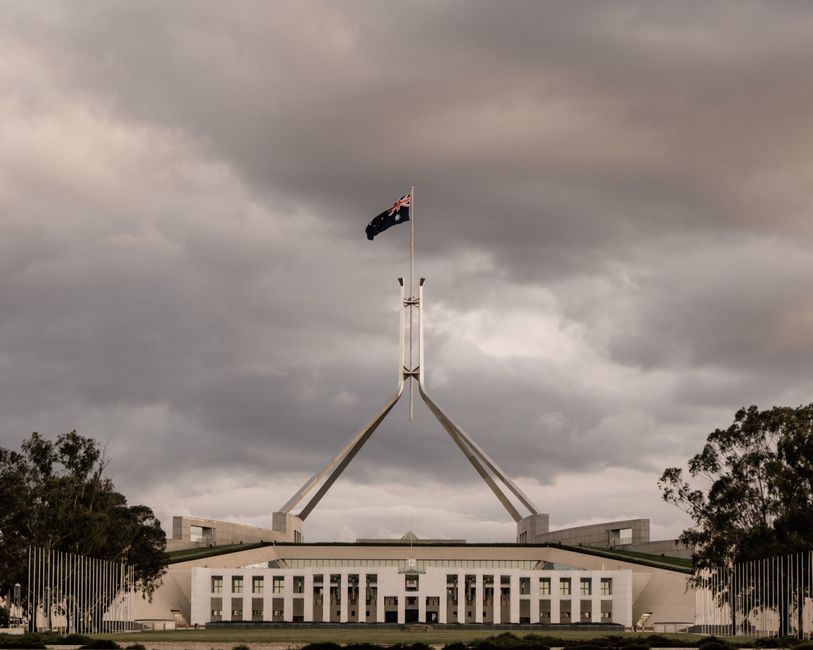
Photo: Photo by Unsplash

Canberra Cost of Living 2026 — Overview

Canberra presents a paradox in Australia's cost of living landscape: it has Australia's highest average household income of any capital city, yet also faces elevated costs in several categories including housing (consistently among the top 3 most expensive capitals for rents and purchase prices) and everyday items. The cost of goods is often higher than in Sydney or Melbourne because Canberra lacks the sheer population mass to drive price competition. However, the absence of the commuting costs that burden Sydney and Melbourne workers, combined with world-class public amenities (free museums, parks and lake foreshore), offsets some of the premium.

Canberra Rent Costs 2026

  • 1-bedroom apartment (inner Canberra) — $350-$580 per week in Braddon, Kingston, Barton or the City.
  • 2-bedroom apartment — $450-$750 per week across inner and middle Canberra.
  • 3-bedroom house (suburban) — $550-$900 per week across established Canberra suburbs (Belconnen, Woden, Tuggeranong, Gungahlin).
  • New developments (Molonglo Valley, Googong) — New estate homes from $480-$750 per week in the newest development corridors.

ACT Unique Cost Factors

  • Land Rates — Canberra's ACT Government land rates (the annual charge on property) are higher than equivalent council rates in other states for comparable properties. Owner-occupiers pay these annually; renters pay indirectly through landlord cost structures.
  • Parking — Canberra has relatively limited CBD parking and a developing light rail network. Car dependency is high in most outer suburbs.

Canberra Grocery and Food Costs

  • Weekly groceries (single person) — Approximately $85-$140 per week. Canberra has fewer discount grocery options than larger cities and the Woolworths and Coles duopoly is stronger. Some IGA independents and the Capital Region Farmers Market (Saturdays at Exhibition Park) provide alternatives.
  • Coffee and dining — Canberra has an excellent food and coffee scene, particularly in Braddon, Kingston Foreshore and Manuka. Prices are comparable to inner Melbourne.

Utilities in Canberra

ActewAGL supplies electricity and gas to most Canberra households. The ACT Government has ambitious renewable energy targets (the ACT is 100% renewable electricity) but retail electricity prices reflect national market dynamics. Average household electricity: approximately $1,100-$1,900 per year in Canberra. Gas (for heating): $700-$1,300 per year.

This article was compiled by AI and screened before publishing. See our editorial standards.

You might also like

Editorial picks

How did this story land?

Spread the word

Share

Have your say

Loading comments…

About this article

Published by The Daily Canberra

Covering finance in Canberra. This article was generated by AI from the linked sources and was not reviewed by a human editor before publishing. See our editorial standards.

Spread the word

Share

See something wrong? Suggest a correction.

Daily brief

Enjoyed this? Wake up to Canberra news every morning.

Free, in your inbox before 7am. Weekdays.

By subscribing you agree to receive emails from The Daily Canberra and accept our Privacy Policy. Unsubscribe anytime.

The Daily Network — local news across Australia