Culture
Canberra's Arts Venues Transform from Post-War Halls to Creative Districts
Canberra's arts venues have shifted from scattered post-war halls to coordinated districts that now anchor the city's creative output.
2 min read
Updated 4 d ago
Culture
Canberra's arts venues have shifted from scattered post-war halls to coordinated districts that now anchor the city's creative output.
2 min read
Updated 4 d ago
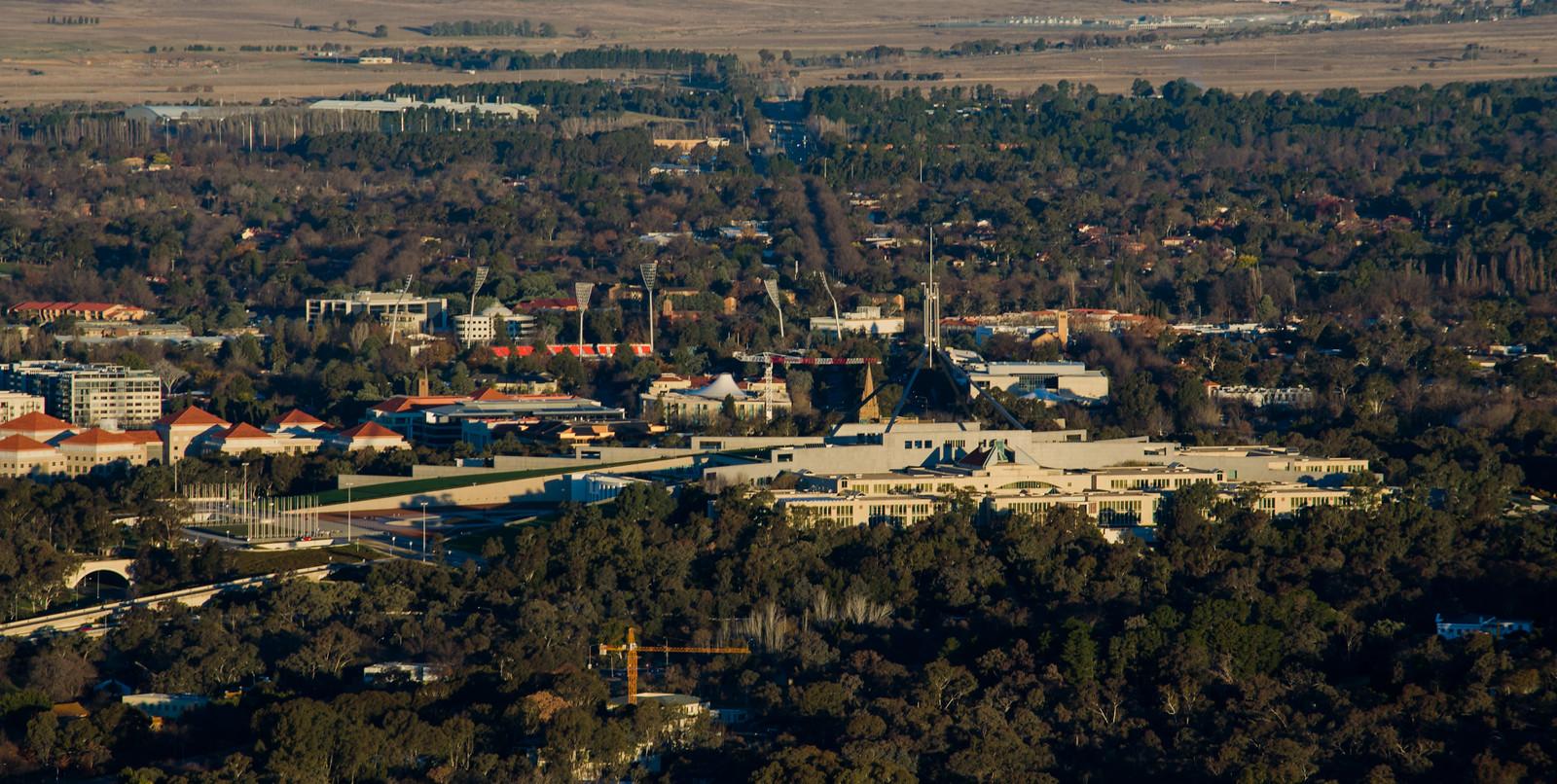
Canberra's culture scene reached a milestone this month with the 50th anniversary programming at the Canberra Theatre Centre on Civic Square, where attendance figures for July events already exceed last year's totals by 12 percent.
The shift matters now because federal funding rounds for 2026-27 close in August and local groups need to show how past infrastructure decisions still shape audience habits and artist pipelines in the capital.
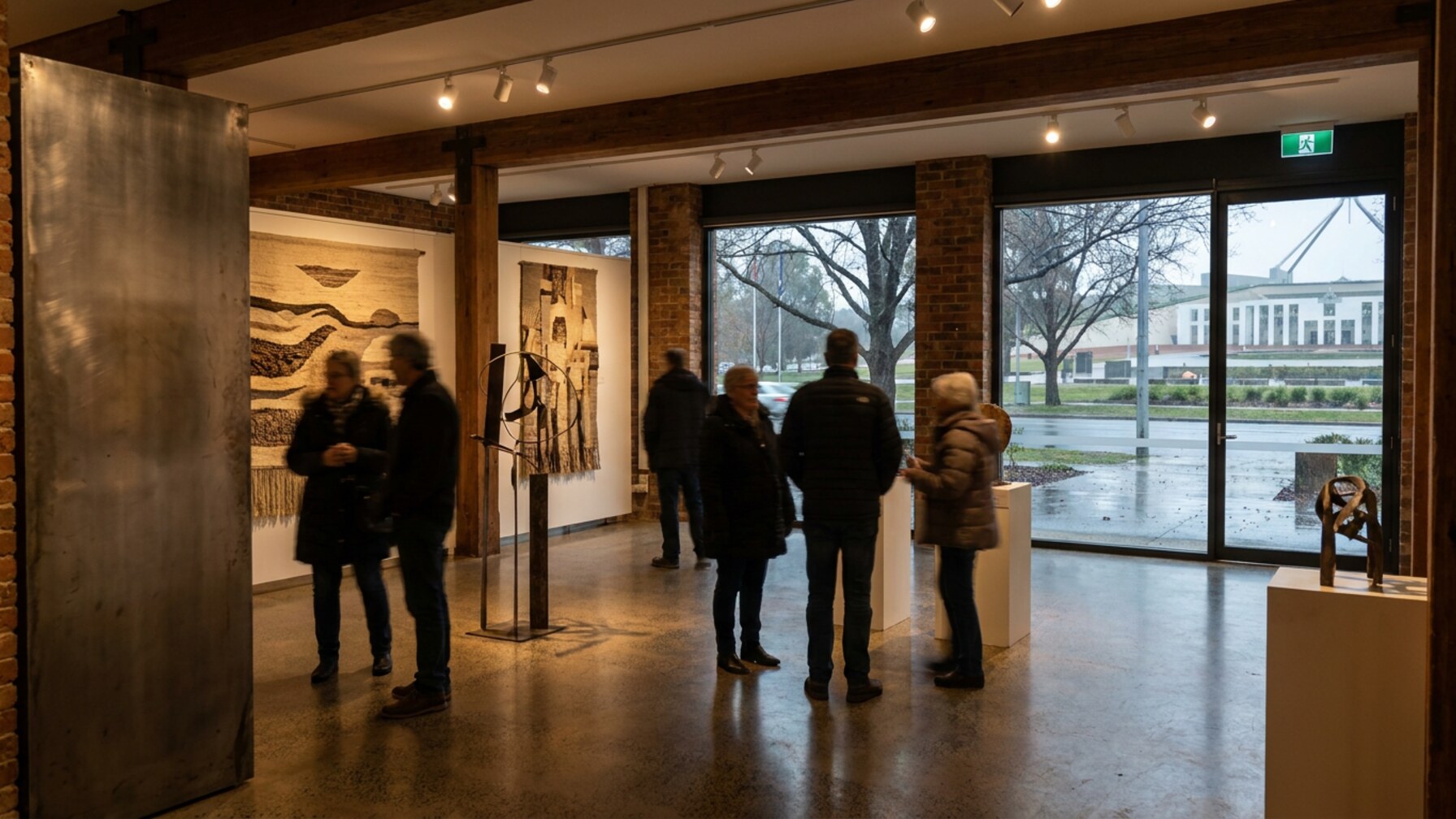
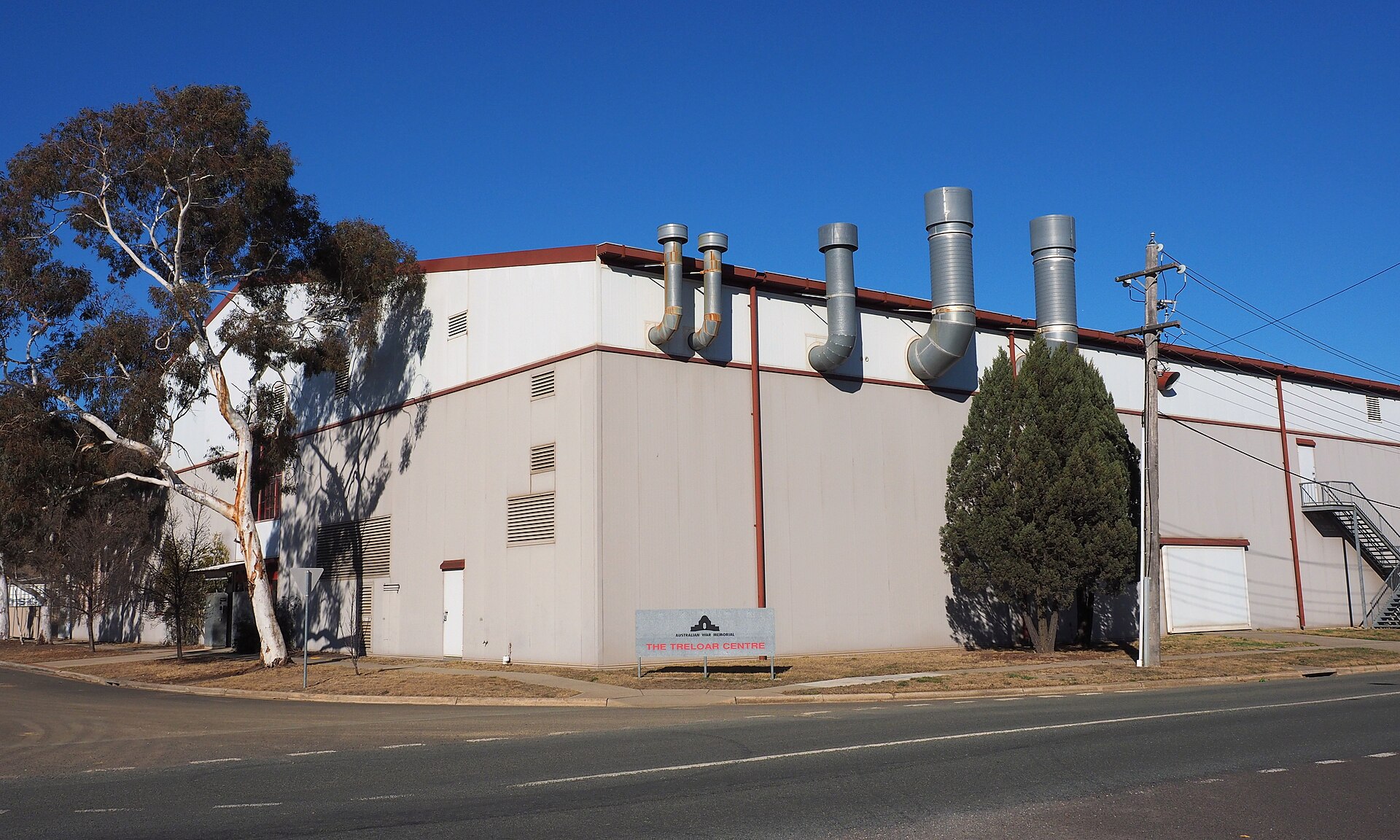
Two neighbourhoods illustrate the change most clearly. Along Childers Street in Civic, the Street Theatre occupies the same 1970s building that once hosted student productions, while in Kingston the former bus depot converted into a multi-arts space now runs year-round exhibitions and workshops that draw residents from nearby Narrabundah. These sites replaced earlier reliance on church halls and school auditoriums scattered across the inner north.
Early venues clustered near the original parliamentary triangle because transport links were limited and most federal workers lived within walking distance. By the 1980s, expansion into Belconnen and Tuggeranong created demand for suburban arts centres, a pattern that continued when the Gorman House Arts Centre on Ainslie Avenue opened its artist studios in 1993.
Recent data from the ACT arts office shows 184,000 paid attendances across 312 events in the 2024-25 financial year, up from 121,000 in 2015-16. Ticket prices at the Canberra Theatre Centre averaged $48 last season, compared with $29 in 2010, reflecting both higher production costs and stronger demand for contemporary work.
Check the Canberra Theatre Centre website for remaining July programs or book a studio visit at Gorman House before the next funding announcements alter programming calendars. The evolution continues as new digital platforms and cross-suburb collaborations build on those earlier physical expansions.
Culture
Culture
Culture
Culture
Culture
Culture
About this article
Published by The Daily Canberra
Spread the word
Daily brief
Free, in your inbox before 7am. Weekdays.
The Daily Network — local news across Australia