News
Canberra Transport Infrastructure Crisis: What's Next
Why Canberra's transport system is struggling with 500,000 residents. Experts warn solutions are closing fast as population surges strain aging infrastructure.
3 min read
News
Why Canberra's transport system is struggling with 500,000 residents. Experts warn solutions are closing fast as population surges strain aging infrastructure.
3 min read
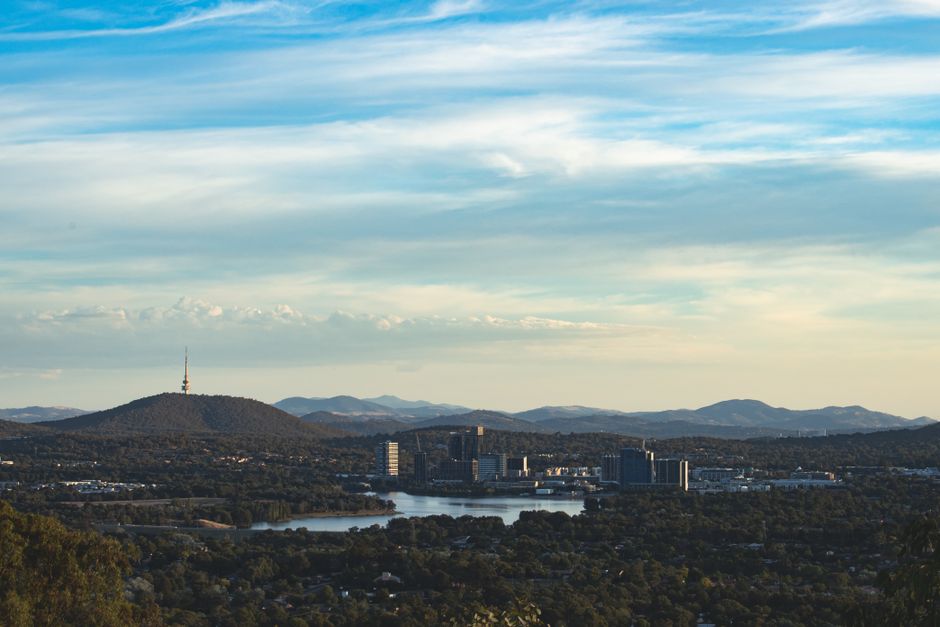
Canberra's transport infrastructure crisis didn't emerge overnight. It's the product of three decades of incremental decisions, population misjudgments, and the peculiar geography of a planned city that grew far beyond its original blueprint.
When the Australian Capital Territory's population was projected to stabilise around 300,000 residents in the 1980s, planners designed a city built for the car. Wide arterial roads connected discrete town centres—Belconnen, Woden, Tuggeranong—in a hub-and-spoke model that made sense when suburbs were distant from each other and the workforce dispersed. The Canberra of 1995 was comfortable with that arrangement.
But the capital's population crossed 400,000 in 2015 and is heading toward 500,000 by 2040. The surge in Gungahlin alone—now home to 90,000 residents—wasn't seriously anticipated until the 2000s. Worse, the federal public service remained concentrated in Parkes and Barton, while residential growth exploded northward. The daily commute from Ngunnawal to the Parliamentary Triangle became a daily ordeal, clogging Northbourne Avenue and the Federal Highway.
The Light Rail was supposed to be a circuit-breaker. Stage 1, from Gungahlin to the city centre, opened in April 2019 after a decade of planning. Ridership exceeded expectations—averaging 8,000 passengers daily by 2023. But by then, Stage 2 had become politically fractious. The planned extension to Woden via Dickson and Kingston would service areas where property values and population density justified the investment, yet costs spiralled to $2 billion, and debates about route alignment consumed three years of indecision.
Meanwhile, bus networks struggled. ACTION buses served growing suburbs, but frequency declined in outer areas while inner-city congestion worsened. A public servant commuting from Amaroo to the ANU campus could lose 45 minutes daily to traffic—time counted against already stretched housing affordability. The median house price in Gungahlin rose from $520,000 in 2016 to $680,000 by 2025, partly because housing supply couldn't keep pace with demand, but partly because transport chaos made outer suburbs less desirable.
Today, the ACT government faces a reckoning. Every delay on Stage 2 pushes land acquisition costs higher and makes future expansion exponentially more expensive. Traffic modelling suggests peak-hour congestion on Northbourne will worsen 40 per cent by 2030 without intervention. The active transport network—bike paths and pedestrian infrastructure—offers marginal relief.
The infrastructure gap between where Canberra is and where it needs to be is no longer a planning problem. It's an economic and social equity issue, and the decisions made in 2026 will determine whether the city remains liveable for the workforce that sustains it.
This article was compiled by AI and screened before publishing. See our editorial standards.
About this article
Published by The Daily Canberra
Spread the word
Daily brief
Free, in your inbox before 7am. Weekdays.
The Daily Network — local news across Australia