The world, explained for Australia.

The World
Nuclear power is surging as nations chase carbon-free energy. Australia holds 30% of the world's uranium but exports almost none of it. Here's the economics and geopolitics of the fuel that powers reactors across the planet.
By The Daily World · 25 July 2026
The World
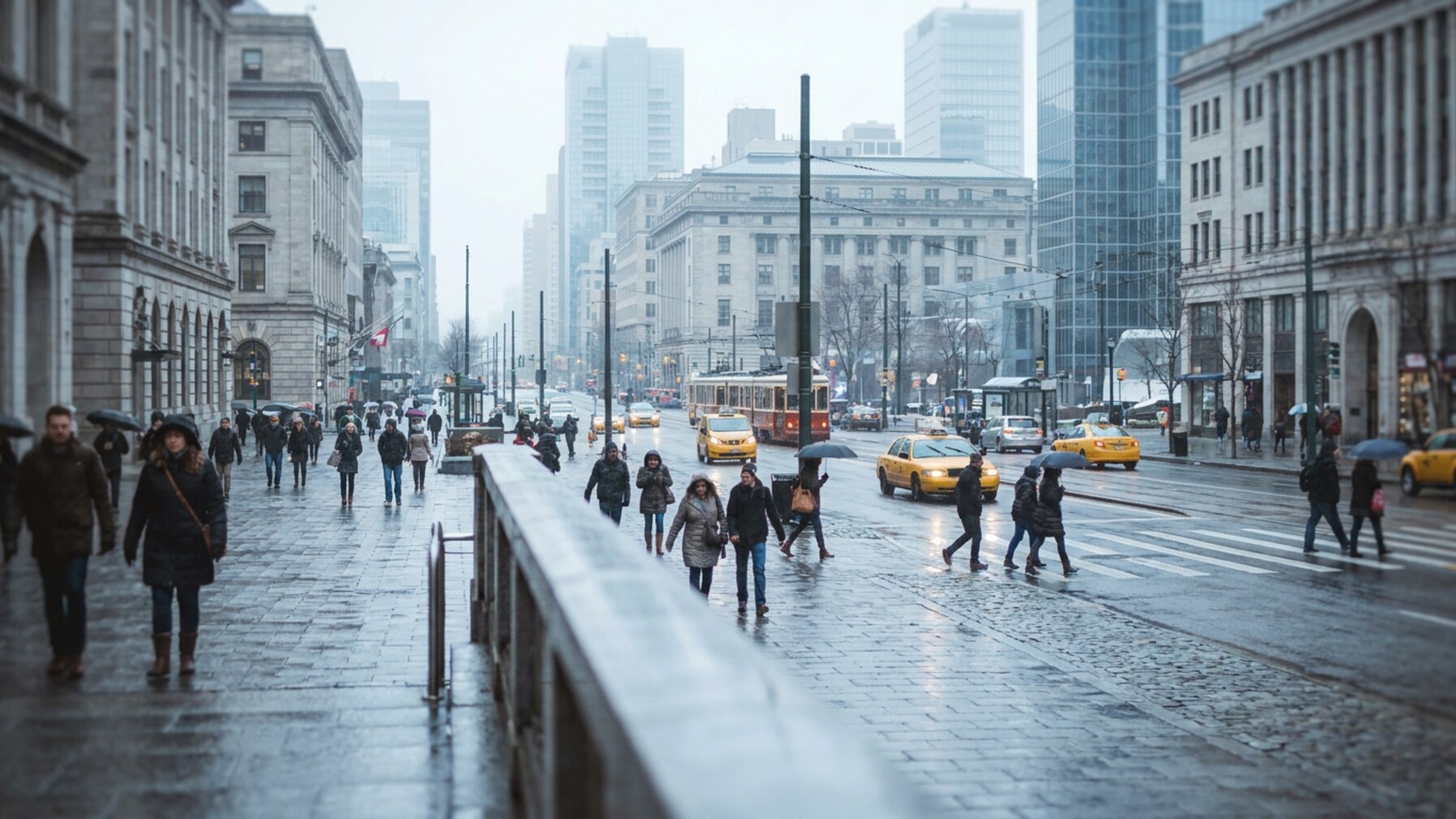
Global trade networks have become more efficient but also more vulnerable. Understanding why helps explain shocks from pandemics to geopolitics.
By The Daily World · 25 July 2026
The World
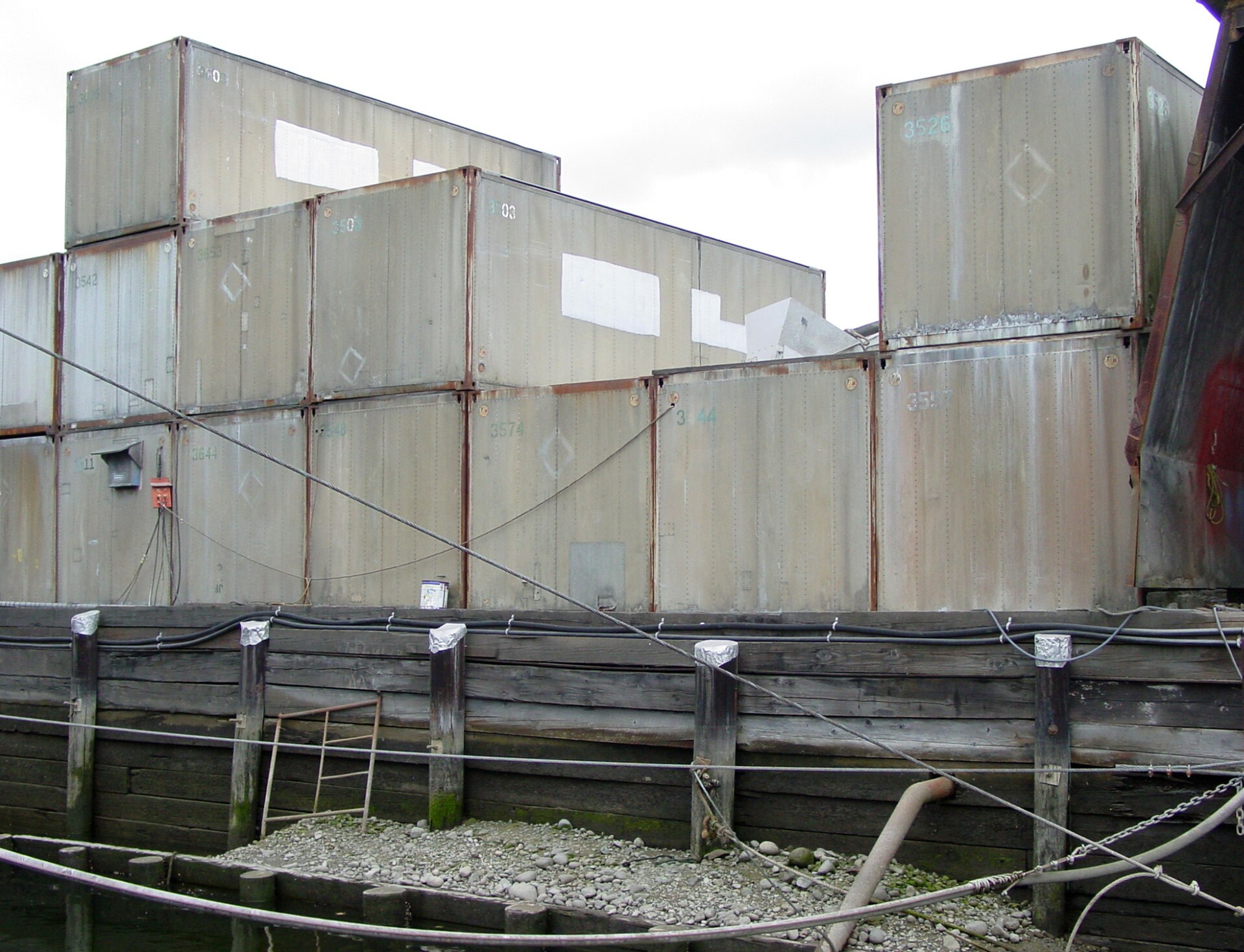
Container imbalances on opposite sides of the world cascade into price shocks and empty aisles everywhere. Here's why moving an empty box matters more than you'd think.
By The Daily World · 25 July 2026

The World
Potatoes feed more people than any other crop on Earth. Understanding how they move from farm to plate reveals why global harvests, trade routes, and disease matter to Australian dinner tables.
By The Daily World · 25 July 2026

The World
A single aviation accident can reshape the rules for the entire planet. Here's how Australia's regulators helped build the system that keeps your flights safe.
By The Daily World · 25 July 2026

The World
No other country shapes Australia's economic fortunes as directly as China, and understanding why reveals how exposed the Australian economy really is.
By The Daily World · 25 July 2026
The World
As the world's second-largest producer, Australia's copper output shapes everything from power grids to tech-and price swings ripple through local wages and living costs.
By The Daily World · 25 July 2026

The World
Fish do not respect national borders, which is why managing them requires international cooperation that is notoriously difficult to achieve.
By The Daily World · 25 July 2026

The World
Nickel ore sits in the ground across dozens of nations, but a small number of refineries control the pure metal that powers electric vehicle batteries and shapes clean energy costs worldwide.
By The Daily World · 25 July 2026
The World
Australia designs and uses semiconductors but makes almost none. Understanding why the world's chip factories cluster in Asia reveals why our tech economy runs on borrowed capacity.
By The Daily World · 25 July 2026

The World
Central banks raising rates in Washington and Frankfurt can make groceries more expensive in Australia, through a chain of effects that is less obvious than it first appears.
By The Daily World · 25 July 2026
The World
A single island produces most of the world's advanced chips. When supply breaks, everything from cars to phones to defence systems feels the strain. Here's how the world's most critical supply chain works.
By The Daily World · 25 July 2026

The World
Some of the world's smallest countries own stakes in some of the world's largest companies, because they turned a windfall into a permanent endowment.
By The Daily World · 25 July 2026
The World
The AUKUS partnership is the most consequential defence commitment Australia has made in generations, yet its details remain largely unknown to most Australians.
By The Daily World · 25 July 2026

The World
Bacteria are evolving faster than the pipeline of new drugs can keep pace, and the consequences for routine surgery and infection treatment are already visible.
By The Daily World · 25 July 2026

The World
From farm to table, the world's meat production is woven into a fragile web of disease, trade rules, and a handful of processing hubs. When one link breaks, prices spike everywhere.
By The Daily World · 25 July 2026
The World
Three private companies issue judgements that affect how much every government on earth pays to borrow money, yet most people have never heard of them.
By The Daily World · 25 July 2026

The World
No single country makes a chip from scratch, and the decades-long process of specialisation that created that interdependence is now a source of strategic anxiety.
By The Daily World · 25 July 2026