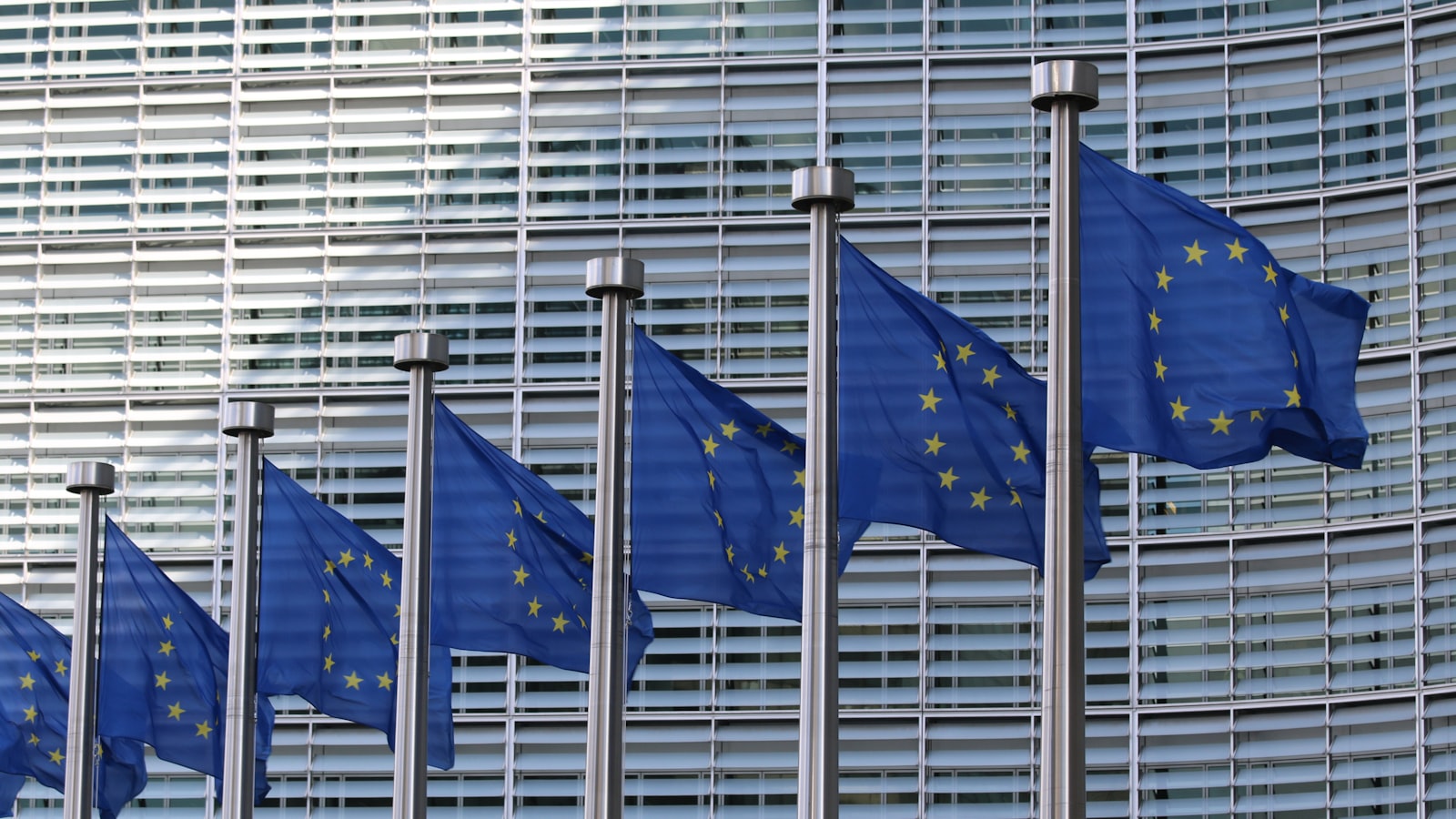
The European Union is a political and economic union of 27 member states that together have a combined population exceeding 400 million people and an economy among the largest in the world. It is not a federation like Australia or the United States: member states retain their own governments, militaries, foreign policies, and legal systems in most areas. But in a defined range of policy areas, EU law takes precedence over national law, and a set of shared institutions makes binding decisions that apply across all members. Grasping that mix of integration and retained sovereignty is the key to understanding almost everything the EU does.
How the EU makes decisions
The EU has several main institutions. The European Commission proposes legislation and acts as the executive arm, enforcing EU law and managing the budget. The European Parliament, directly elected by citizens of member states, debates and amends legislation. The Council of the European Union represents member state governments and is the primary legislative body alongside the Parliament. The European Court of Justice resolves legal disputes about the application of EU law. Major decisions, particularly on constitutional matters, require unanimity among member states. Most ordinary legislation passes by qualified majority, which means large coalitions rather than unanimity, making the system somewhat faster but still inherently negotiated.
What the EU actually controls
The EU has exclusive or shared authority over a wide range of policy areas. Trade policy is managed entirely at EU level: the EU negotiates trade agreements on behalf of all members, which is why a trade deal with Australia involves Brussels, not Berlin or Paris. Competition policy is EU-controlled: the Commission can block mergers and fine companies anywhere in the world for anticompetitive behaviour in the European market. Environmental standards, product safety rules, data protection law (the General Data Protection Regulation), and financial services regulation all operate at EU level and affect any business that wants to operate in the European market, including Australian exporters and technology companies.
The single market and the euro
The EU's single market allows goods, services, capital, and people to move freely across member borders without the tariffs or regulatory barriers that apply to non-members. This is the most tangible economic achievement of European integration. The eurozone, a subset of EU members, shares a single currency and a single monetary policy set by the European Central Bank. Not all EU members use the euro: Sweden and Denmark, among others, have retained their own currencies. The co-existence of a single currency with separate fiscal policies in each member state is a source of structural tension that has required repeated political negotiation to manage.
What it means for Australia
Australia and the EU have been negotiating a free trade agreement that, if concluded, would be among Australia's most significant economic partnerships. The EU is a major destination for Australian agricultural exports, particularly beef, wine, and grains, but high European agricultural tariffs have historically limited access. The EU's carbon border adjustment mechanism, which is being phased in, will impose a carbon price on goods imported from countries without comparable carbon pricing, which is relevant for Australian exporters. EU data protection rules already affect how Australian companies handle the personal data of European customers. What Brussels decides in areas from food safety to financial services shapes the regulatory environment that Australian exporters navigate.
The bottom line
The EU is a unique political experiment: 27 countries that have chosen to pool sovereignty in specific areas while retaining independence in others. Understanding where that line falls explains why the EU can set global product standards and negotiate trade deals, but cannot send a unified military to a conflict without lengthy political negotiation.
This article was compiled by AI and screened before publishing. See our editorial standards.
Sources Include (But not Limited to)
Source material used in preparing this article is listed below so readers can check the original record.