Canberra was planned, not accreted, and you can feel it in the way the city goes to work. Instead of one downtown, the capital spreads its jobs across a handful of town centres, a tight cluster of government precincts and a growing network of innovation hubs and coworking spaces. For anyone moving here, or simply trying to understand the place, it helps to know the map.
The bones come from Canberra's mid-century 'Y-Plan', which set out a series of self-contained districts strung along the city's main roads. The result is a working geography organised around town centres rather than a single CBD. The National Capital Plan identifies town centres in the city and the larger districts, and the ACT Government now plans the territory through nine districts, each with its own strategy: Belconnen, East Canberra, Gungahlin, Inner North and City, Inner South, Molonglo Valley, Tuggeranong, Weston Creek and Woden.
Civic and the inner city
Civic, officially the City, is Canberra's commercial heart. It mixes territory government offices, professional services, retail, hospitality and a steadily rising number of apartments. To its west sits the Australian National University in Acton; nearby, the University of New South Wales is establishing a Canberra city campus. Together they help anchor an emerging inner-city knowledge corridor of research institutions and the startup scene around them.
Barton and the National Triangle
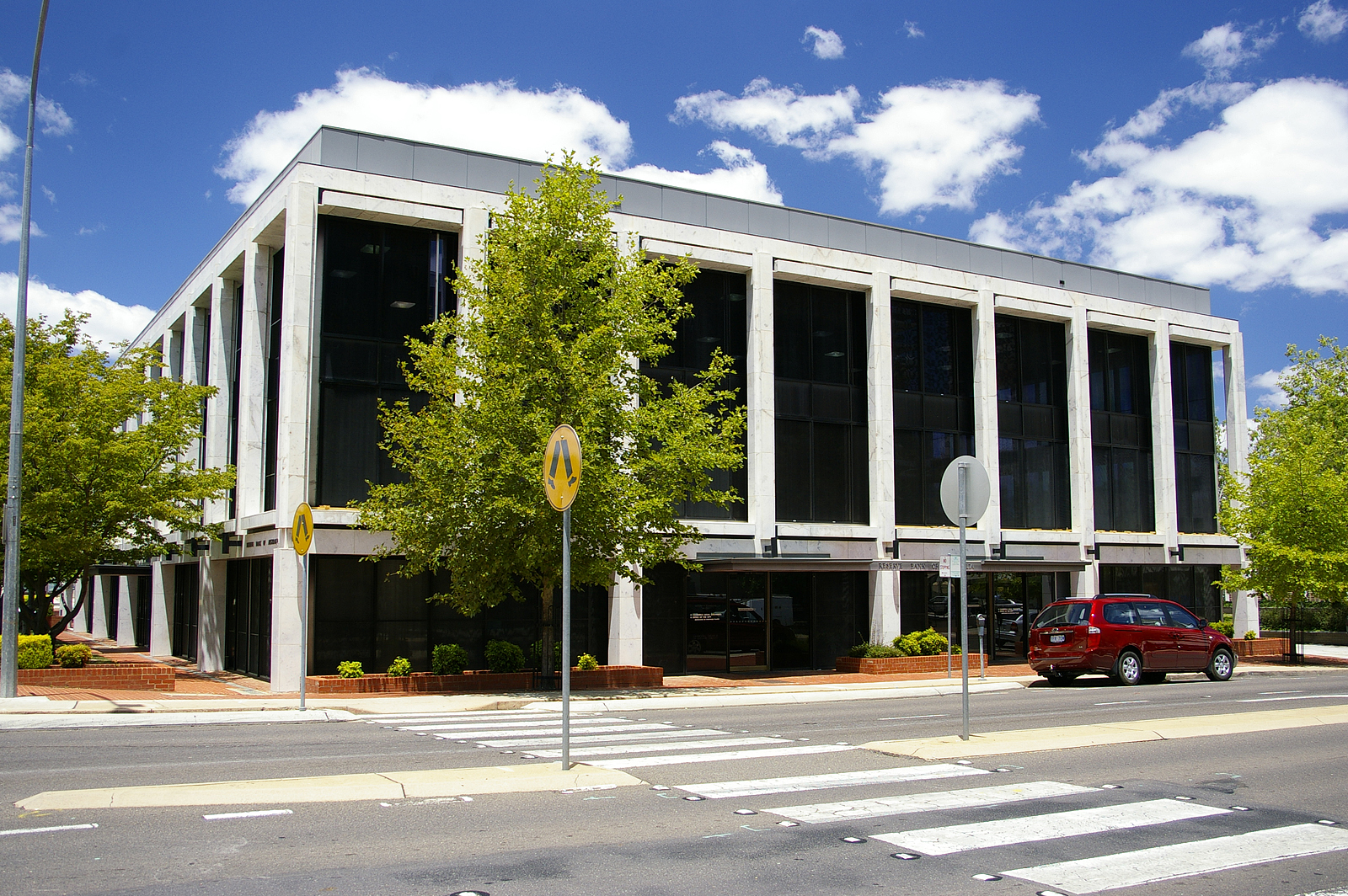
If Civic is where the territory works, Barton is where much of the Commonwealth does. Sitting at the edge of the National Triangle near Parliament House, Barton hosts major federal agencies including the Department of Foreign Affairs and Trade and the Attorney-General's Department. Planning across this area is overseen by the National Capital Authority, which controls development within the designated Parliamentary precinct. Nearby Parkes and the broader Triangle hold the national institutions, from the High Court to the major galleries and libraries.
The town centres
Beyond the centre, four district town centres carry the load:
- Woden, opened in the early 1970s, is a southern hub for offices and health, near the Canberra Hospital precinct and set to be served by the planned light rail extension to Woden.
- Belconnen, to the north-west, blends a large retail core, government tenancies and lakeside living, and serves the populous Belconnen district.
- Tuggeranong, in the city's south, centres on the Lake Tuggeranong waterfront with retail, civic services and local enterprise.
- Gungahlin, Canberra's youngest town centre, has grown rapidly since the late 1990s into a dense, mixed-use hub at the northern end of the existing light rail line.
Bruce and the research precincts
Bruce, in the Belconnen district, is a Canberra education and sport precinct, home to the University of Canberra and the Australian Institute of Sport. Elsewhere, research clusters define large parts of the city's economy. CSIRO's long-established Black Mountain site anchors environmental and agricultural science, sitting alongside the ANU campus at Acton. These are not shopfront destinations, but they employ many people and shape the surrounding suburbs.
Coworking and the innovation network
For startups, freelancers and small teams, a focal point is the Canberra Innovation Network (CBRIN), an organisation supported by the ACT Government and founded in 2014 to help diversify the local economy. Based in the inner city, CBRIN runs a coworking community alongside programs such as the Griffin Accelerator, regular First Wednesday Connect events and the Innovation Connect (ICON) grants. Around it, privately run coworking spaces have spread through Civic and the town centres, giving remote workers and small businesses flexible alternatives to a city-centre lease.
The pattern that emerges is a polycentric city: government clustered in the Triangle and Civic, retail and services anchoring each district's town centre, research humming on the edges and a coworking layer stitching it together. Whether you are choosing where to base a business or simply working out where the jobs are, Canberra rewards thinking in districts. The ACT Government's planning portal publishes a strategy for each one, and they are a good place to start.
This article was compiled by AI and screened before publishing. See our editorial standards.
This article is general information only and is not personal financial or investment advice. Consider your own circumstances and seek licensed professional advice before making financial decisions.
Sources Include (But not Limited to)
Source material used in preparing this article is listed below so readers can check the original record.