Wellness
Practical Daily Habits Supporting Sleep and Recovery for Canberra Locals
Residents incorporate evidence-based routines around sleep duration, environment and timing to aid recovery after active days.
2 min read
Updated 11 h ago
Wellness
Residents incorporate evidence-based routines around sleep duration, environment and timing to aid recovery after active days.
2 min read
Updated 11 h ago
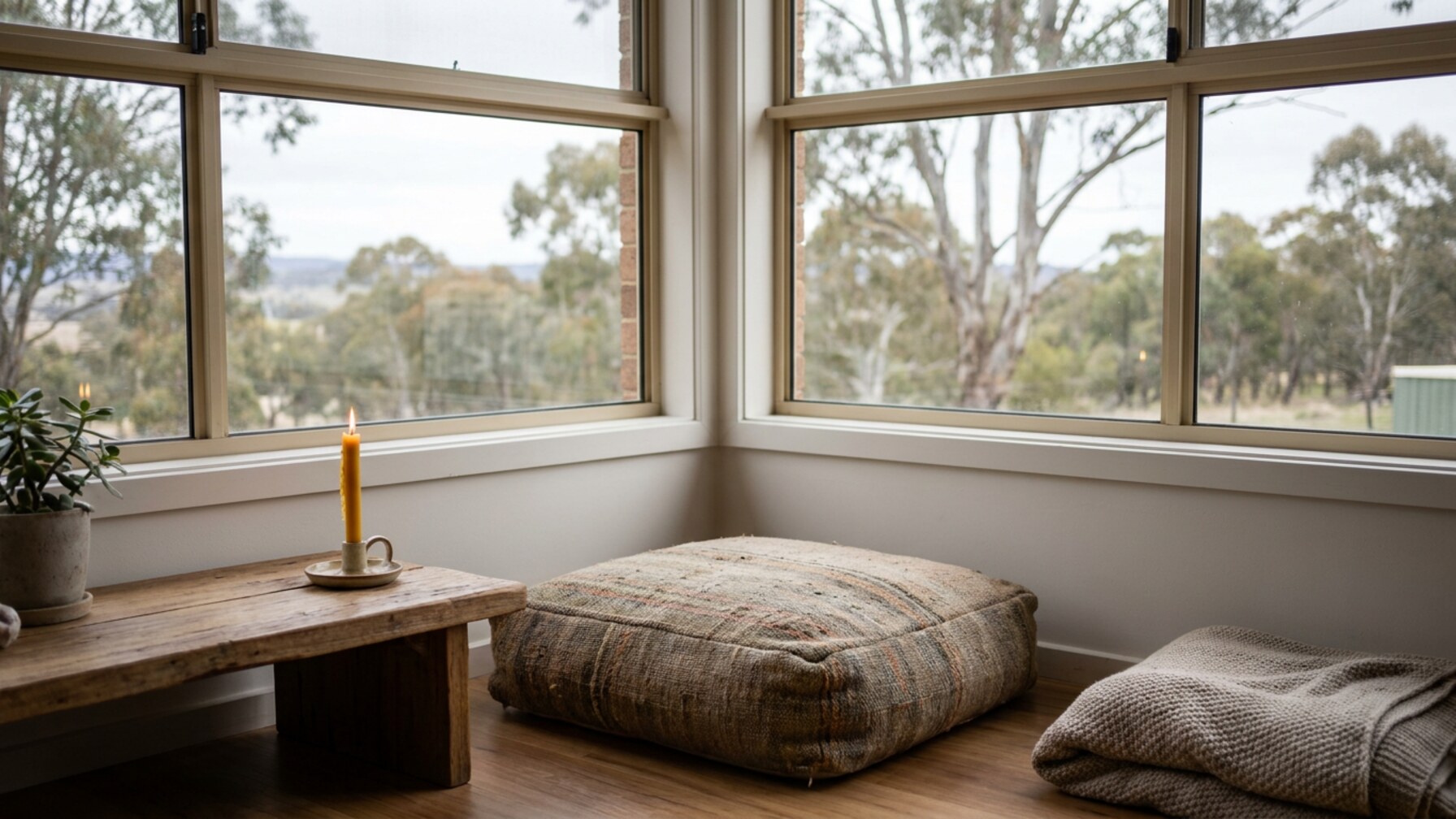
Adults should aim for 7-9 hours of quality sleep per night for optimal recovery, while athletes may need 9-10 hours. Canberra locals with active lifestyles are applying this guidance through steady nightly routines that prioritise rest after time spent on trails or at community activities.
Maintaining a consistent sleep schedule by going to bed and waking up at the same time every day, including weekends, forms the foundation of these habits. Locals tie their bedtimes to the rhythms of Canberra days, whether that means finishing runs around Lake Burley Griffin or university commitments at ANU or UC. This approach helps align personal recovery with the demands of work, study and exercise in the ACT.
The ideal sleep environment is cool (18-21°C), dark, and quiet to support melatonin production and circadian rhythm. Residents adjust bedroom temperatures and limit light sources in the evenings, drawing on advice from local health services such as ACT Health. These adjustments fit naturally into homes across Canberra suburbs where people seek reliable rest after daytime movement on parkrun Tuggeranong routes or other outdoor paths.
Avoid caffeine for 4-6 hours before bed, limit screens for 60-120 minutes pre-sleep, and skip alcohol to preserve REM sleep. In the hour before turning in, many add relaxation techniques like warm baths, meditation, deep breathing, and light stretching 30-60 minutes before bed to improve sleep quality. These steps are adopted alongside support from organisations such as Beyond Blue ACT, helping locals manage the balance between daily activity and overnight recovery without additional strain.
Evidence for these habits comes directly from established guidance on sleep and recovery. Sources such as gcphysio.com.au, thornleighphysio.com.au and scopechiropractic.com.au outline the same targets for duration, temperature and timing, while resources from hw.qld.gov.au and footballqueensland.com.au detail the pre-bed restrictions and relaxation methods. nib.co.nz and myhealth1st.com.au further connect these practices to overall recovery from daily demands.
Locals continue to refine these habits by tracking how consistent timing and environment changes affect how they feel the next day. The approach stays practical and repeatable, supporting ongoing activity around Canberra’s parks and institutions.

Wellness
Wellness

Wellness
Wellness

Wellness
Wellness
About this article
Published by The Daily Canberra
Spread the word
Daily brief
Free, in your inbox before 7am. Weekdays.
The Daily Network — local news across Australia