Wellness
Walking meditation: how to turn your daily walk into mindfulness
You don't need a cushion or a studio, Canberra's trails and lakeshores are already doing the hard work for you.
4 min read
Updated 4 d ago
Wellness
You don't need a cushion or a studio, Canberra's trails and lakeshores are already doing the hard work for you.
4 min read
Updated 4 d ago
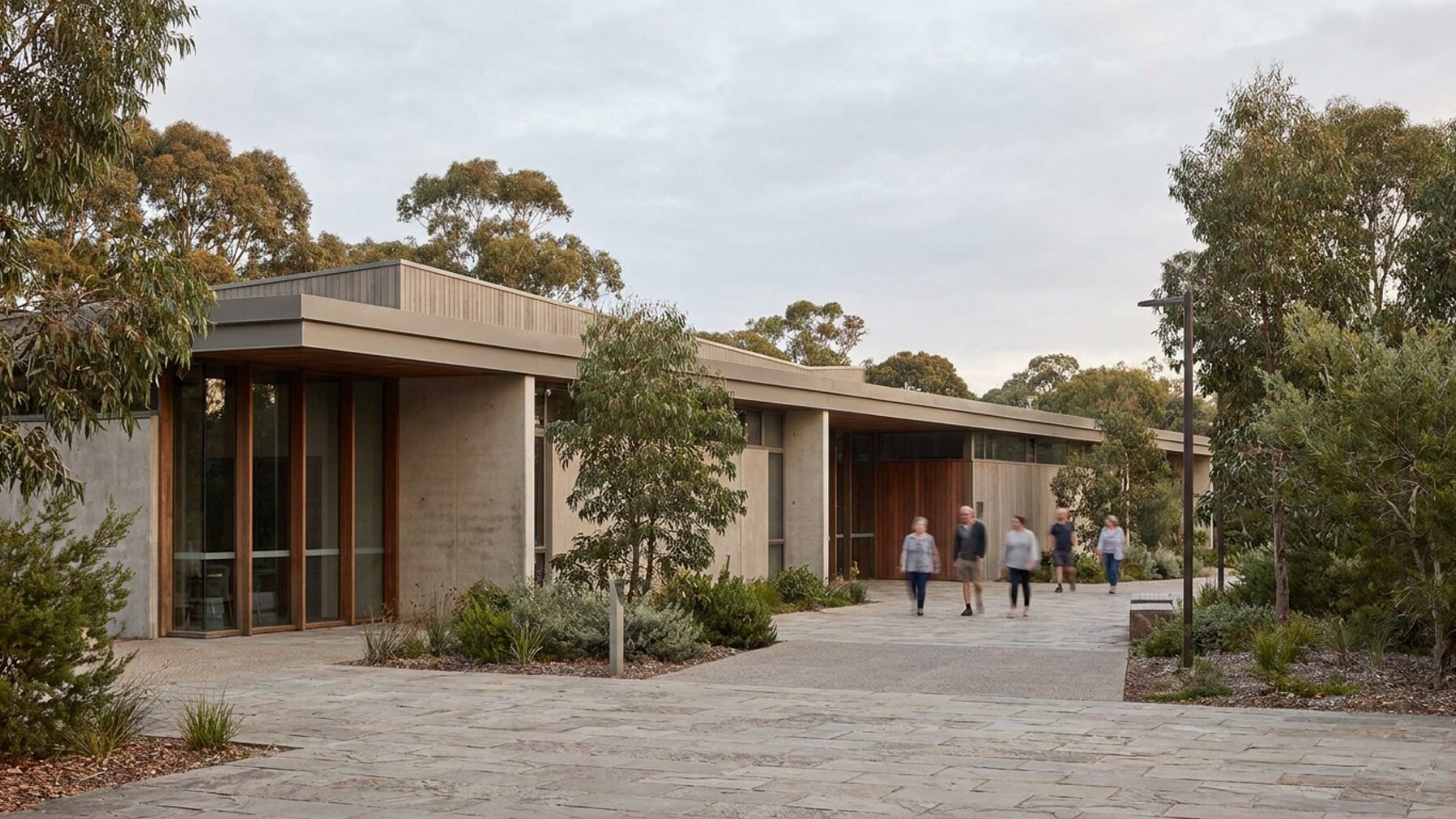
The simplest mindfulness practice available to Canberrans costs nothing, requires no app subscription, and is already built into most people's day. Walking meditation, the deliberate pairing of slow, conscious movement with breath and sensory attention, is drawing fresh interest as researchers and health organisations increasingly point to it as an accessible entry point into mindfulness for people who find seated practice frustrating or impossible.
The timing matters. July in the ACT means cold mornings, shorter days, and the kind of seasonal dip in mood that prompts many residents to reassess their mental health routines. Beyond Blue's national data consistently places anxiety and low mood among the most common reasons Australians seek mental health support, and ACT Health has long acknowledged that the territory's high-pressure public-sector workforce carries particular stress loads. A walking practice threads through that context neatly: it asks nothing more than a pair of shoes and fifteen minutes.
The evidence base for mindfulness is now substantial enough that it no longer needs defending. A 2023 meta-analysis published in the journal JAMA Internal Medicine found that mindfulness meditation programs produced moderate improvements in anxiety, depression, and pain compared to control conditions across 47 randomised trials. Walking specifically has its own literature: research from Stanford University published in 2014 found that walking boosted creative output by roughly 81 percent compared to sitting, and more recent work from Japanese researchers has linked regular nature walks to measurable reductions in cortisol levels. None of this means a lap of the lake cures clinical depression, it doesn't, but it does mean the practice is doing something real.
The Australian Bureau of Statistics 2022-23 National Health Survey found that around 15 percent of Australians reported high or very high levels of psychological distress. In the ACT, access to outdoor green space is genuinely exceptional by national standards, which makes the gap between available resource and active use worth closing.
Lake Burley Griffin is the obvious starting point. The 35-kilometre loop around the lake offers multiple entry points, Acton Park on the north shore, Weston Park on the south, or the paved stretch between Commonwealth Avenue Bridge and Kings Avenue Bridge, where foot traffic is light enough on weekday mornings to allow genuine slowness without social awkwardness. The instruction for a basic walking meditation is deliberately unglamorous: slow your pace by about a third, feel each footfall heel-to-toe, and anchor attention to the sensation of contact with the ground rather than the content of your thoughts.
Tuggeranong is worth naming specifically. Parkrun Tuggeranong, held every Saturday morning at Dairy Farmers Hill near Lake Tuggeranong, draws a regular community of several hundred participants. The event is timed, so it's not designed for meditative walking, but the Dairy Farmers Hill Circuit beyond the parkrun course is a quiet 3.5-kilometre loop that lends itself to exactly the kind of unhurried, sensory-focused walking that meditation teachers recommend. The Australian National University's campus in Acton also has a circuit through Sullivans Creek Trail where students and staff already walk between buildings; adding intentional breath-pacing to that familiar route costs no extra time.
The Australian Capital Territory's branch of Beyond Blue, which operates a dedicated ACT support line alongside its national 1300 22 4636 number, regularly points people toward movement-based wellbeing practices as a complement to professional support. The organisation is clear that these practices sit alongside, not instead of, clinical care for anyone experiencing significant mental health challenges.
Getting started is a matter of subtracting, not adding. Pick a route you already walk. Leave your earbuds out for the first ten minutes. Notice five things you can hear, four you can see, three you can physically feel. Let thoughts arrive and pass without following them down the tunnel. That is the whole practice. Extend it gradually, fifteen minutes becomes twenty, one route becomes two, and the evidence suggests the compounding benefit is real. Canberrans have some of the best walking infrastructure in the country. The mindfulness, it turns out, was always optional extra gear.
For personalised mental health advice, speak with your GP or contact ACT Health's mental health services. Beyond Blue can be reached on 1300 22 4636.

Wellness

Wellness
Wellness

Wellness

Wellness

Wellness
About this article
Published by The Daily Canberra
Spread the word
Daily brief
Free, in your inbox before 7am. Weekdays.
The Daily Network — local news across Australia