Hydration in the Local Climate: How Much and What to Drink in Canberra
Staying properly hydrated is a year-round challenge in the ACT’s dry, changeable climate. Here’s what local residents need to know about water, hydration advice and resources in Canberra.
AI may assist with research, summarising and drafting. Where public source links underpin the article, they are shown below. Sensitive material is held for human review, and people oversee the standards and corrections process. The Daily Canberra covers Canberra news. It is provided for general information only and is not professional, legal, financial, or medical advice. Read our editorial standards →
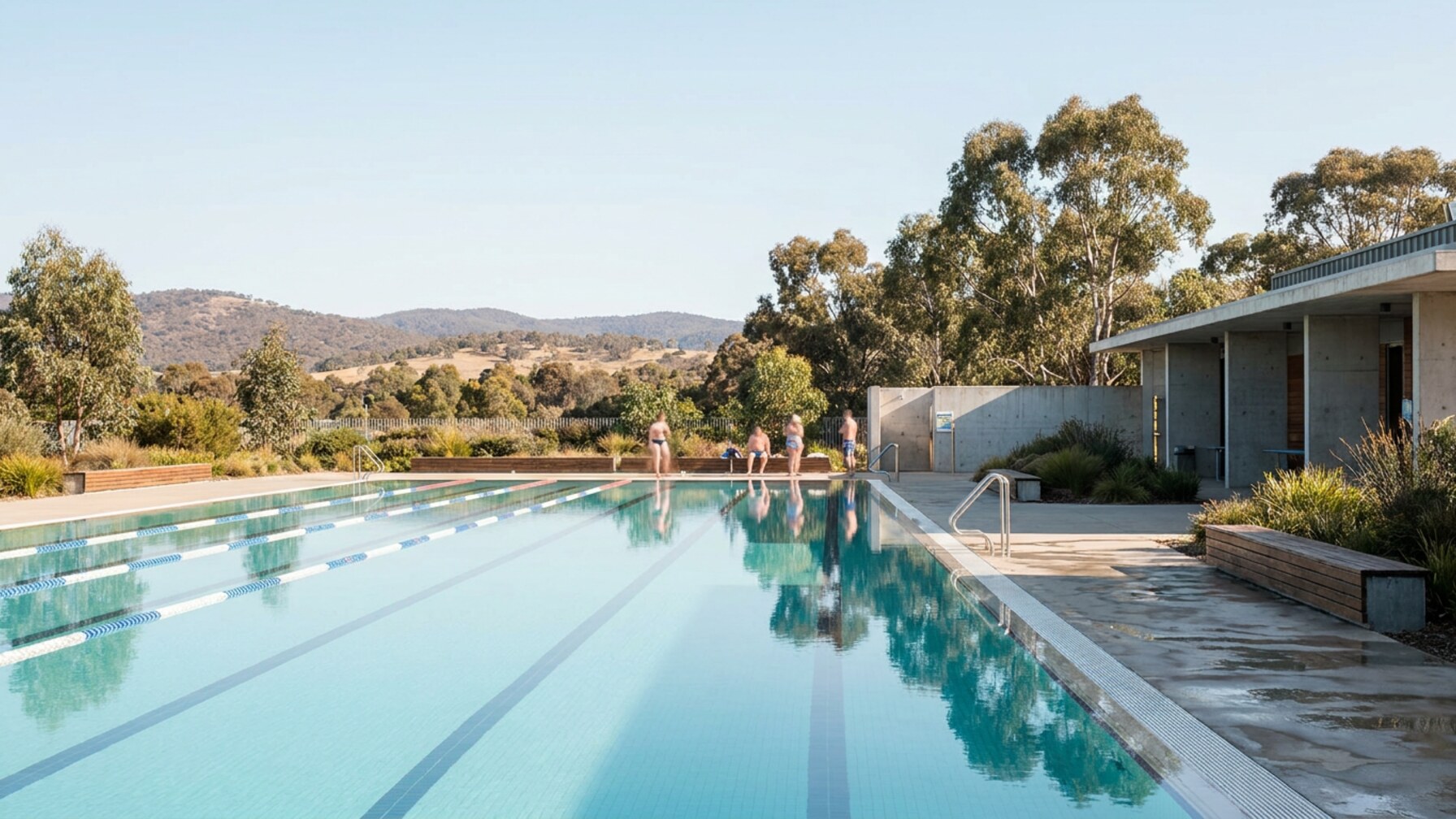
AI-generated illustration
Winter in Canberra may bring clear blue skies and crisp mornings, but local health advisors say dehydration risks don’t melt away with the summer heat. Residents tackling morning runs along Lake Burley Griffin or cycling across the Cotter Road greenbelt are being urged to pay closer attention to what-and how much-they’re drinking as another dry July settles over the Territory.
Unlike cities with higher humidity, Canberra’s cool, dry air can lead to increased fluid loss even when temperatures dip. This matters because dehydration impairs concentration, mood and physical performance. For an active community like Canberra-home to more than 30,000 university students and thousands of outdoor enthusiasts-proper hydration affects everything from classroom concentration to safety on the cycle path.
Hydration on the Move: Local Support in the Territory
The Australian National University’s Sport and Recreation Centre in Acton sees a steady stream of students and staff year-round, where hydration is a focus in fitness programming. In Tuggeranong, Saturday’s local parkrun draws hundreds of runners to the edge of Lake Tuggeranong each week, a gathering where water bottles and drink stations are a fixture regardless of season. Canberra’s Beyond Blue ACT office has also promoted hydration as a tool for mental wellbeing-offering tips on their website and at local wellness events in Braddon and Gungahlin.
ACT Health routinely reminds residents that the official guideline for adults is roughly 2.1 litres for women and 2.6 litres for men daily, according to the Australian Dietary Guidelines. But sports medicine teams at UC’s Bruce campus note daily needs can rise with exercise or during periods of heavy wind-a feature common on the ANU’s University Avenue or along Kingston Foreshore in winter. A quick check of Canberra Region Water supply prices shows that a litre of tap water costs fractions of a cent, making hydration easily affordable for most locals. The ACT government’s Healthier Choices Canberra program has also worked with local cafes to encourage the prominent display of tap water jugs and signage in high-foot-traffic areas like Lonsdale Street and Westfield Woden.
Practical Tips for Staying Hydrated All Year
Locals are urged to drink water regularly-not just after feeling thirsty. Carrying a reusable bottle, topping up at public fountains in Commonwealth Park, and choosing water over sugary or caffeinated drinks can help maintain steady hydration. Special attention is recommended for children, older adults, and anyone exercising outdoors. Each person’s needs differ depending on activity and body size, so the best approach is regular sips throughout the day, particularly before, during and after outdoor activities.
Anyone concerned about specific hydration conditions or underlying health factors should book a consult with a local GP or accredited practising dietitian. For the rest of the community, Canberra’s cool air and blue skies provide ideal backdrops for an active lifestyle-just don’t forget the water bottle on the way out the door.
Covering wellness in Canberra. This article was generated by AI, under human oversight and our editorial standards. Sensitive material is held for human review before publication. See our editorial standards.
Spread the word
Share
Daily brief
Enjoyed this? Wake up to Canberra news every morning.